12 March 2026
Daily Newsletter
Oil Surges Past $100 Amid Iran Attacks on Gulf Facilities
The Facts
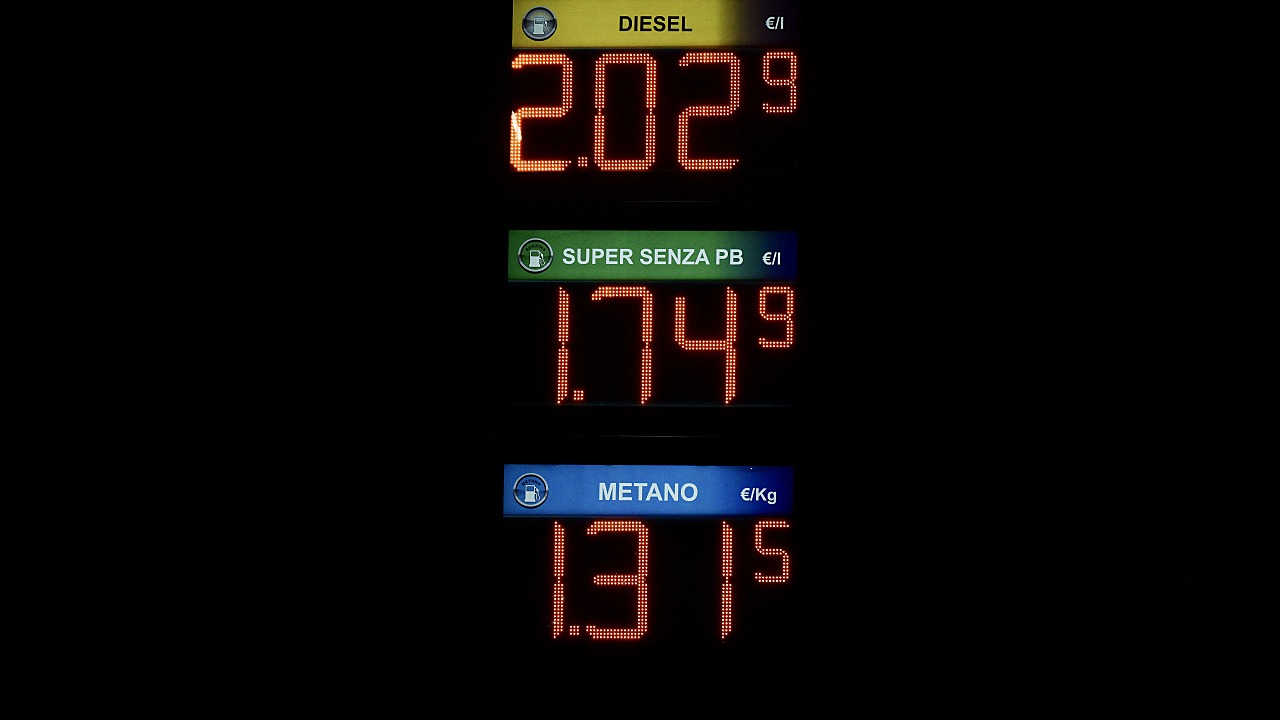
Oil prices crossed $100 a barrel on Thursday, with Brent crude up around 9% in Asia. The rise came despite the International Energy Agency (IEA) announcing a record release of 400 million barrels from emergency reserves.
It came as Iran launched attacks on fuel tanks in Bahrain's Muharraq Governorate, prompting authorities to urge residents to stay indoors. Saudi Arabia also reported intercepting drones headed toward the Shaybah oilfield and embassy district.
Two oil tankers were attacked in Iraqi waters near the port of Basra, killing at least one crew member and forcing Iraq to suspend operations at all oil terminals. The attacks targeted vessels in the ship-to-ship transfer area of the port.
The Spin
Left narrative
It is an economic catastrophe that oil has crashed through $100 a barrel, with Iran's closure of the Strait of Hormuz threatening to push prices as high as $150 and trigger a global recession. Gas prices are already up 50 cents in a week to $3.48 a gallon. Skyrocketing supply chain costs will destroy global economic growth.
Right narrative
Near-$100 oil isn't particularly bad news for the American economy, since the country's status as a net energy exporter means stronger income in the oil patch will offset consumer spending cuts. The price spike will be short-lived once the conflict ends, and eliminating the Iran nuclear threat is worth temporary pain at the pump.
Nerd narrative
There is a 52% chance the United States will import any crude oil from Russia between 2025 and 2030, according to the Metaculus prediction community.
Three Brothers Arrested in Oslo After US Embassy Bombing
The Facts
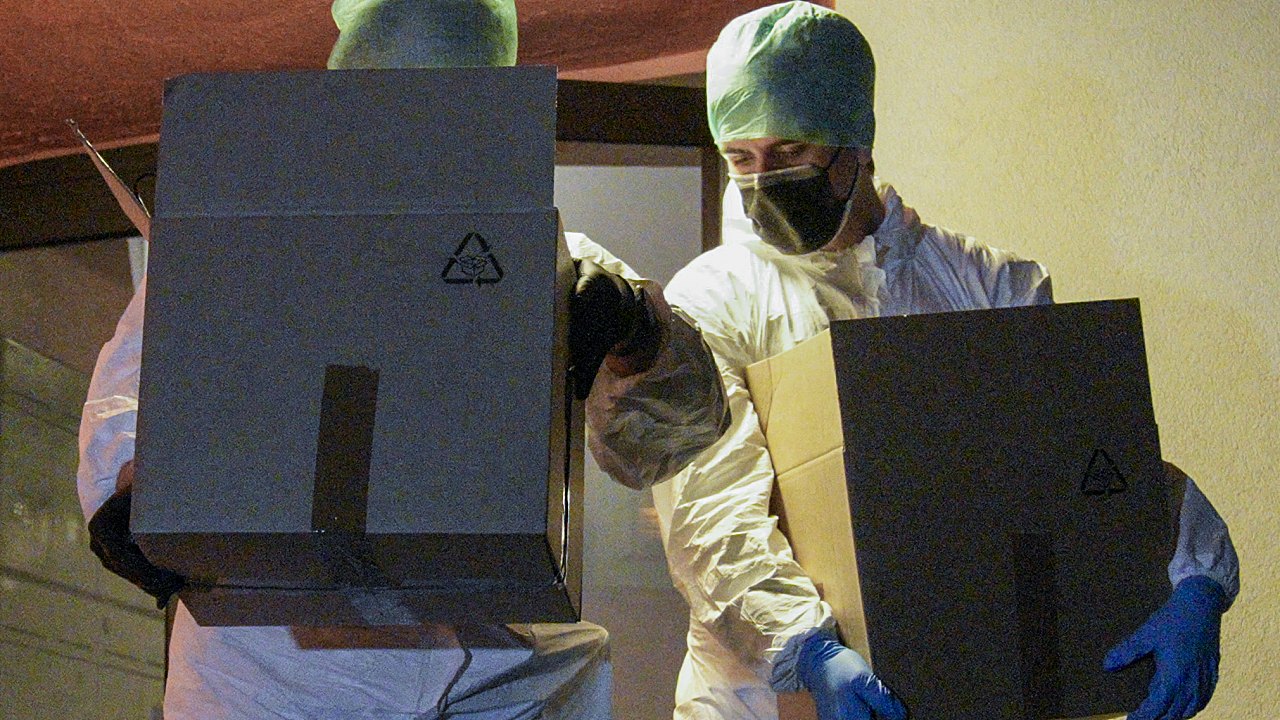
Norwegian police arrested three brothers on Wednesday afternoon in Oslo on suspicion of involvement with a bombing at the country's U.S. embassy. The suspects are Norwegian citizens of Iraqi origin in their 20s who were not previously known to police.
The explosion occurred around 1 a.m. local time on Sunday at the entrance to the embassy's consular section, causing minor damage but no injuries. Police believe one brother placed the bomb while the other two were complicit in the act.
Police prosecutor Christian Hatlo stated investigators are examining whether the attack was ordered by a government entity, given the target and current security situation. U.S. embassies have been placed on high alert in the Middle East due to ongoing conflict with Iran.
The Spin
Anti-Iran narrative
The embassy bombing is a dangerous escalation in foreign-directed terrorism against American interests, with a high threat environment of potential Iranian attacks worldwide, orchestrated through criminal proxy networks. Norwegian security services explicitly warned last month that Iran relies on such networks to carry out attacks, and the timing amid Middle East conflict makes state sponsorship the most credible explanation. This attack demands heightened vigilance at U.S. facilities worldwide as hostile regimes increasingly target diplomatic assets.
Pro-Iran narrative
Three Norwegian citizens carried out this attack, and the rush to implicate Iran is a transparent attempt to exploit a criminal incident for geopolitical ends. These were homegrown suspects with no prior criminal records, and investigators have found no direct link to Tehran whatsoever. Iran has categorically denied any involvement, and without evidence, pointing the finger at Iran says more about pre-existing political agendas than about what actually happened.
Nerd narrative
There's a 26% chance that the U.S. and Iran will agree to a ceasefire before May 2026, according to the Metaculus prediction community.
US Launches Trade Probe Into 16 Economies
The Facts
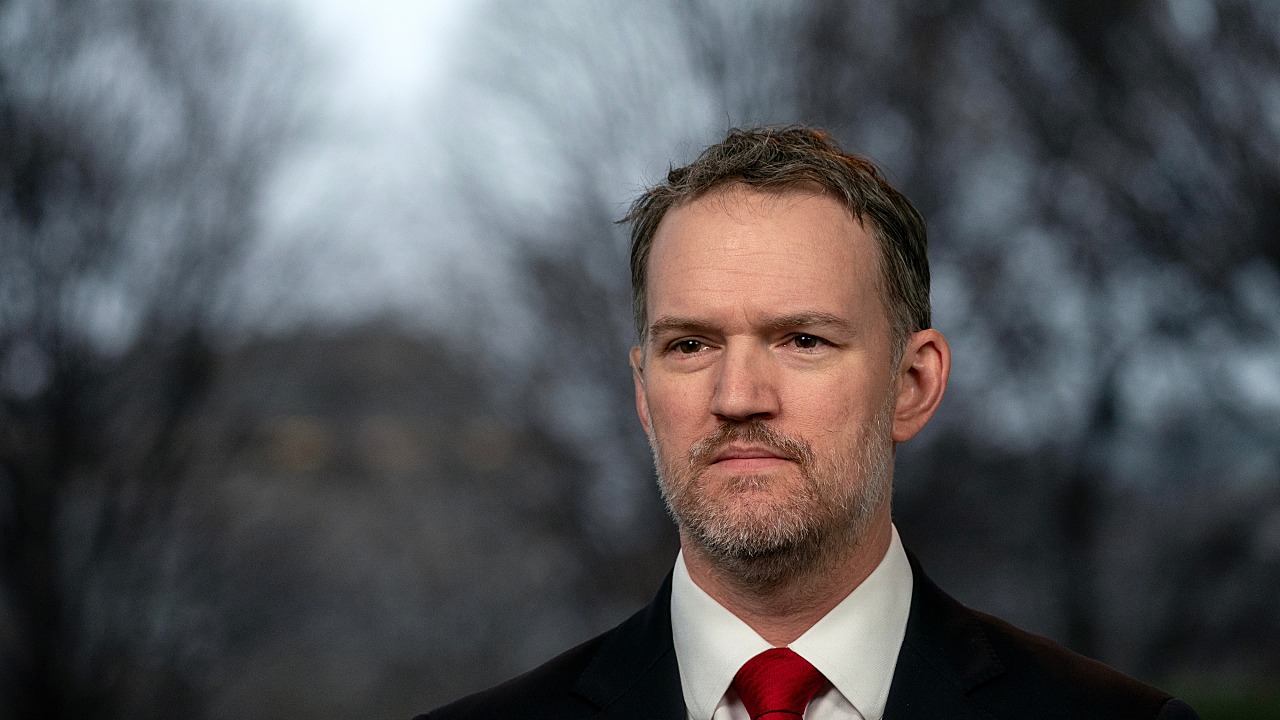
U.S. Trade Representative (USTR) Jamieson Greer announced on Wednesday that the USTR is conducting investigations under Section 301 of the Trade Act of 1974 into 16 economies regarding "structural excess capacity and production in manufacturing sectors."
The powers allow the U.S. government to respond to discriminatory trade practices by foreign countries, and permit, alongside other actions, the president to "impose duties or other import restrictions" on goods entering from these countries "for such time as he deems appropriate."
Greer initially declared that the administration would pursue this course on February 20, following the U.S. Supreme Court's decision to strike down tariffs that U.S. President Donald Trump had implemented under the International Economic Emergency Powers Act.
The Spin
Pro-Trump narrative
For decades, foreign countries have been overwhelming the U.S. with excess production, fatally undermining America's domestic manufacturing with a flood of cheap goods. As a direct threat to the national interest, this state of affairs is untenable, which is why the administration is taking decisive action now by launching these trade investigations to protect U.S. industries.
Anti-Trump narrative
The U.S. government's issue with so-called manufacturing overcapacity in other countries is nothing but political manipulation masquerading as trade policy. Instead of levying unilateral tariffs and waging trade wars, which serve nobody's interests, Trump should consider engaging others in respectful negotiations rather than ruin the global economy through protectionist investigations.
Nerd narrative
The effective U.S. tariff rate on goods being imported into the United States will be at least 8.32% at the end of 2026, according to the Metaculus prediction community.
China Mandates Mandarin in Schools Under New Unity Law
The Facts
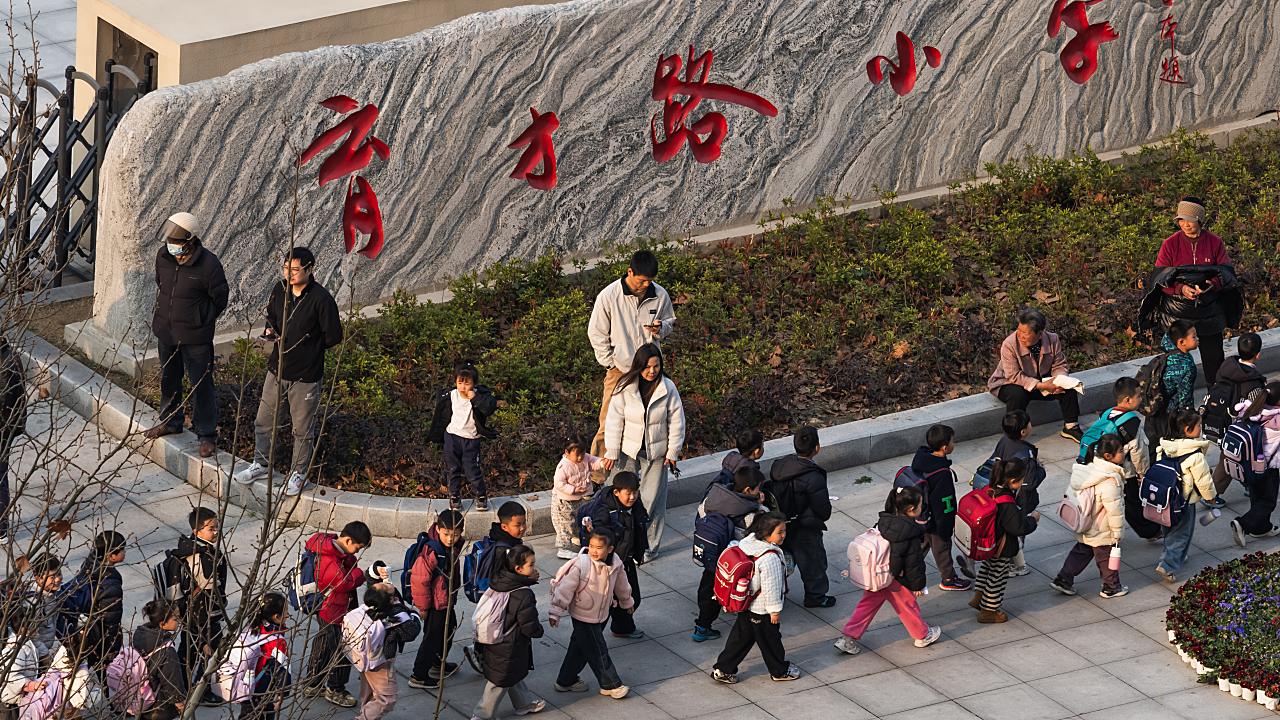
China's National People's Congress approved the Law on Promoting Ethnic Unity and Progress on Thursday with 2,756 votes in favor, three opposing votes and three abstentions. The law mandates that Mandarin must be used as the principal teaching language in educational institutions.
The legislation requires teenagers to have a basic grasp of Mandarin upon completing compulsory education and states that in public settings where Mandarin and minority languages are used together, Mandarin must be given "prominence" in placement and order.
China officially recognizes 55 ethnic minorities within its borders, each speaking hundreds of languages and dialects, as ethnic minority populations are concentrated in regions covering roughly half of the country's land area. The law is likely to affect Uyghur, Mongolian and Tibetan speakers.
The Spin
Anti-China narrative
China's new Ethnic Unity law openly contradicts its own constitution by forcing non-Han children into brutal assimilation programs that separate families and erase indigenous languages. This ethnocidal policy mirrors the atrocious Indian boarding schools of North America's past, isolating kids and forcing them to forget their culture. The law entrenches Xi Jinping's obsession with conformity over genuine diversity, prioritizing state control from the earliest classrooms.
Pro-China narrative
The draft law on ethnic unity is a model approach grounded in China's reality of unprecedented integration among ethnic groups across economic and social spheres. Mastering the national common language removes barriers to education and employment while the law explicitly protects minority languages in education, justice and public affairs. This legislation fosters a sense of belonging within the Chinese nation while preserving unique cultural identities.
Nerd narrative
There's a 50% chance that China will officially cease to be a socialist state by 2087, according to the Metaculus prediction community.
64 Dead, 128 Missing in Ethiopia Floods and Landslides
The Facts
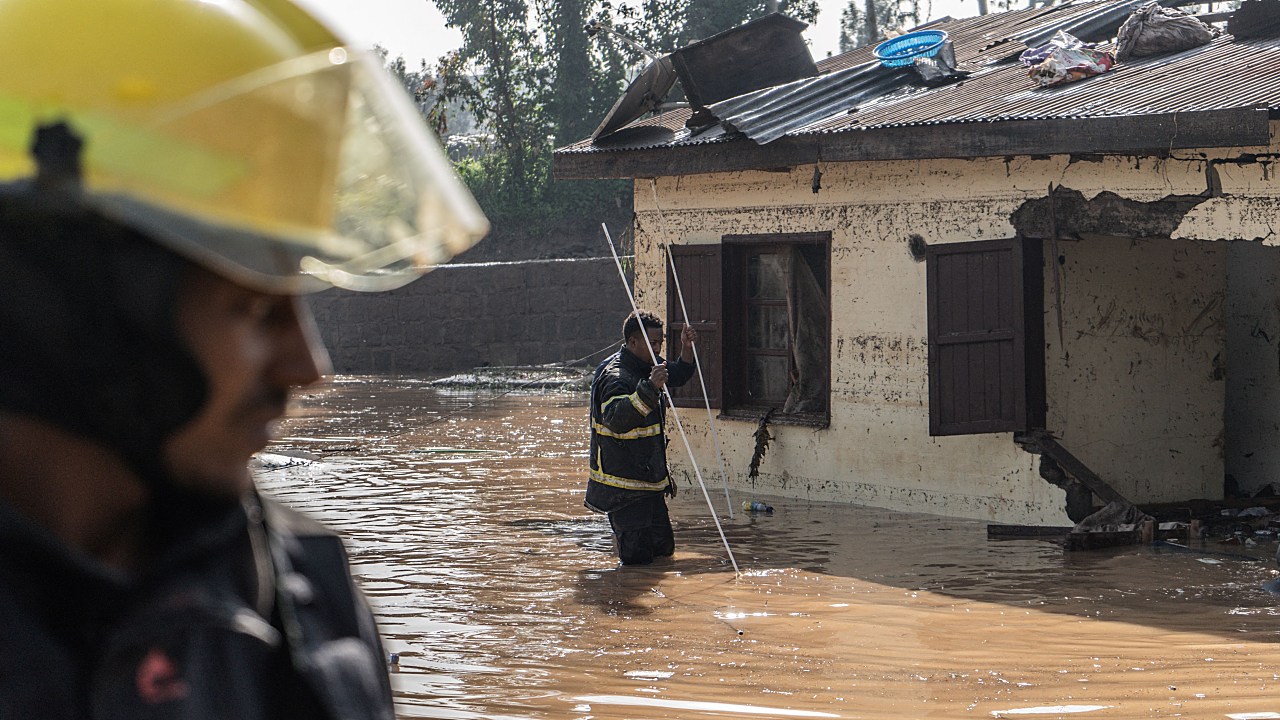
At least 64 people have been killed in floods and landslides triggered by heavy rains in the Gamo Zone of southern Ethiopia, with 128 people reported missing. The disaster affected the Gacho Baba, Kamba and Bonke districts following a week of heavy rainfall.
Gamo Zone officials say up to 102 people are believed dead after saturated highland slopes collapsed, burying victims in mud. Rescue teams pulled one person alive from the debris, according to disaster response director Mesfin Manuqa.
Mudslides blocked key roads and several bridges were flooded, disrupting transport and complicating rescue operations in affected areas. The overflow of the Kulfo and Sego rivers caused damage to institutions and infrastructure in Arba Minch city and nearby districts.
The Spin
Climate-skeptic narrative
Heavy rains triggered landslides and flash floods across Ethiopia’s Gamo Zone after saturated slopes collapsed and buried homes in mountainous communities. While some analysts have tried to link this disaster to climate change, similar landslides have long occurred in the region's steep highlands before. It's important to probe whether this was extreme weather alone or deeper factors such as land use, deforestation, and weak disaster preparedness.
Climate-concerned narrative
Climate change has made these catastrophic rains up to twice as intense, turning manageable seasonal weather into deadly disasters across East Africa. Human-caused warming is driving more frequent and severe rainfall events that devastate vulnerable populations still recovering from earlier droughts. Rich countries burning fossil fuels are destabilizing the climate system and contributing to these lethal floods.
Nerd narrative
There is a 33% chance that Ethiopia will experience a successful coup d'etat before 2040, according to the Metaculus prediction community.
Iran's New Leader Vows Revenge in First Statement
The Facts
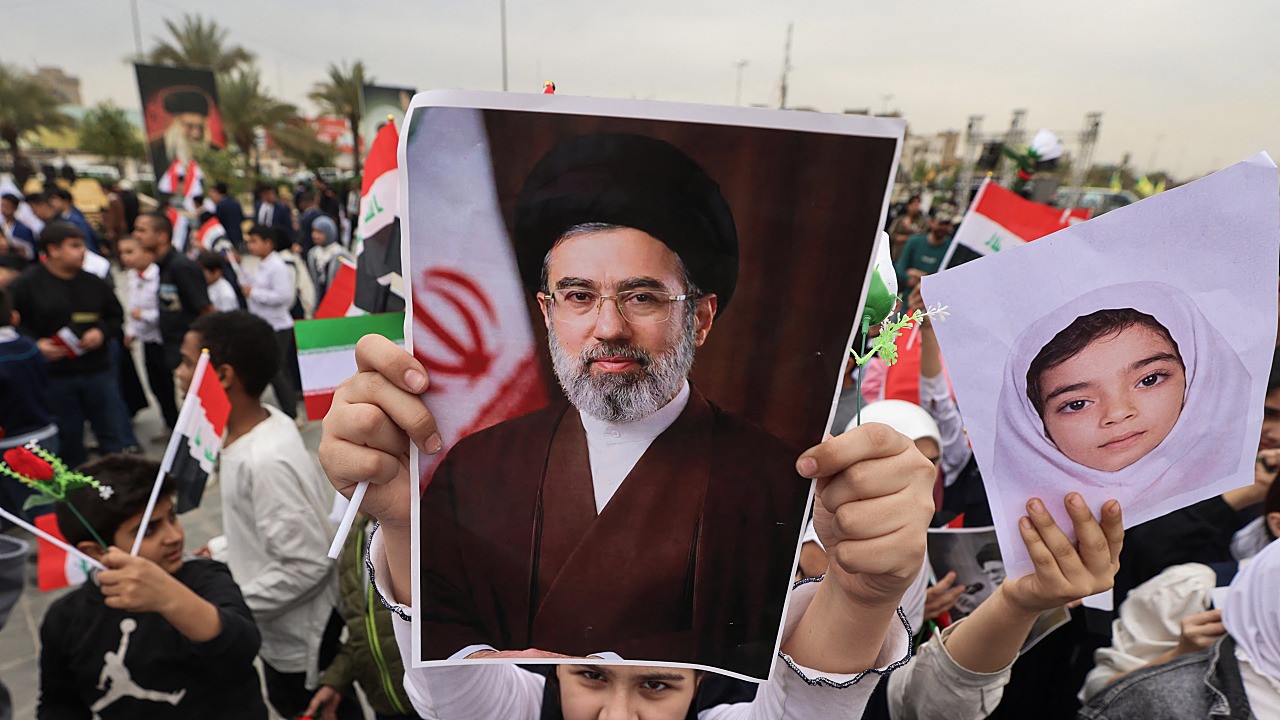
Mojtaba Khamenei, who was named Iran's new supreme leader on Sunday, had his first message read aloud by a presenter on Thursday. He succeeded his father, Ayatollah Ali Khamenei, who was killed in strikes on Feb. 28.
The message attributed to Mojtaba Khamenei stated that Iran "will not refrain from avenging the blood of its martyrs," saying the Strait of Hormuz closure should continue. It also indicated that Iran could open "other fronts if necessary."
He demanded the immediate closure of all U.S. military bases in the Middle East, warning that failure to comply would prompt direct attacks. He stated that Iran would "inevitably continue" with attacks on U.S. bases in the region.
The Spin
Pro-Iran narrative
Millions of Iranians united in the streets to pledge allegiance to Ayatollah Seyed Mojtaba Khamenei, demonstrating the nation's unshakable resolve and commitment to the Islamic Revolution. The new leader's powerful message vows complete revenge for martyred Iranians and promises continued strikes on enemy bases until justice is achieved. Iran's strength lies in its people's faith and unity, which will guarantee victory over aggressors who miscalculated yet again.
Anti-Iran narrative
Mojtaba Khamenei's first statement echoes the same rhetoric that defined his father's leadership. This confrontational approach of defiance and proxy mobilization is what progressively escalated Iran's tensions with the United States and Israel, directly contributing to the strikes that killed Ali Khamenei and ignited the current war. By replicating these policies without any shift toward restraint or adaptation, it commits the country to the identical cycle of escalation and isolation that produced the conflict.
Cynical narrative
This statement only adds fuel to reports that Iran's new Supreme Leader is fighting a war from a hospital bed. Mojtaba Khamenei hasn't appeared publicly, with the regime broadcasting statements read by news anchors in an apparent cover up of his incapacitation. The country now operates on autopilot through decentralized military commands, making the conflict even more dangerous with no conscious leader able to negotiate peace.
Nerd narrative
There is a 26.9% chance Mojtaba Khamenei will be Iran's Supreme Leader on Jan. 1, 2027, according to the Metaculus prediction community.
Report: Africa Spends $2B on Chinese Surveillance Tech

The Facts
According to new reporting by the Institute of Development Studies, at least $2 billion has been spent by 11 African governments on Chinese-built surveillance technology that recognizes faces and monitors movements. Nigeria has spent the most on the technology's infrastructure, investing $470 million in 10,000 smart cameras by last year.
Chinese companies often sell the technology in packages that include CCTV systems, facial recognition, biometric data collection and cameras that track vehicle movements. These are presented as tools to help rapidly urbanizing countries modernize their cities.
Such investments, which have been used to build so-called "smart" cities, date back years. In 2013, following a deadly attack at Westgate shopping mall in Nairobi, Huawei installed 1,800 CCTV cameras for police in Nairobi within a year, relaying the footage in real time to police stations.
The Spin
Anti-China narrative
African nations are surrendering digital sovereignty by importing Chinese surveillance infrastructure without local ownership or accountability. These systems embed foreign control over data, algorithms and technical standards while foreclosing domestic innovation and capacity-building. The technology arrives with no regulatory framework, enabling unchecked monitoring that threatens privacy, stifles dissent and reconstructs colonial dependency through digital means.
Pro-China narrative
Chinese AI technology empowers African nations through open-source models and affordable solutions tailored to local needs — enabling startups to build life-changing innovations, such as crop disease detection apps. This approach, which Beijing has incorporated into its overall foreign relations strategy, provides accessible technology that bridges the digital divide and supports indigenous development. China has chosen collaboration and capacity-building rather than extractive relationships.
Cynical narrative
Both U.S. and Chinese tech firms exploit Africa's digital expansion in pursuit of profit and influence. Chinese companies export surveillance systems that enable mass monitoring and strengthen political control, while U.S. platforms outsource traumatic content-moderation labor to poorly protected African workers. The resulting AI race turns Africa into a testing ground and labor pool for global tech giants rather than an equal partner in technological development.
Naples Museum Lets Blind Visitors Touch Veiled Christ Sculpture
The Facts
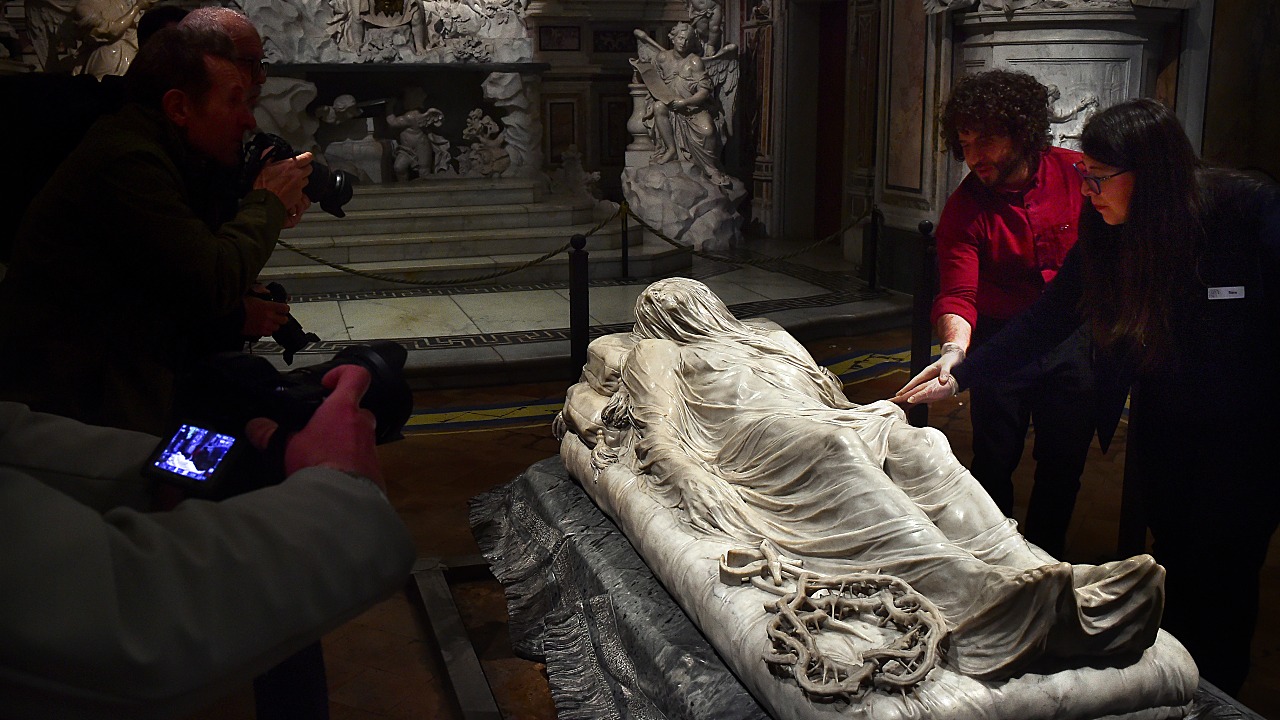
The Sansevero Chapel Museum in Naples will host an initiative on March 17, allowing approximately 80 blind and visually impaired visitors to touch celebrated works of art, including the Veiled Christ. The protective barrier surrounding the sculptures will be removed.
The project is organized in partnership with the Italian Union of the Blind and Visually Impaired of Naples. Visitors will be guided through the chapel by visually impaired guides, who will wear latex gloves to explore the marble surfaces.
The Veiled Christ, completed in 1753 by Giuseppe Sanmartino, is famous for the extraordinary rendering of the marble veil that appears to adhere to Christ's body with incredible realism. The tactile route also extends to the bas-reliefs of Modesty and Disenchantment.
The Spin
Narrative A
Italy's accessibility revolution proves that engaging art through touch, sound and smell creates richer experiences for everyone. Slowing down to feel sculptures, embodying statues' postures and caressing replicas unlocks emotional dimensions that sight alone monopolizes and obscures. Museums that ban touching deny blind visitors their human right to knowledge while missing massive economic opportunities from disabled travelers and their companions.
Narrative B
Museums remain fundamentally inaccessible because visual centricity dominates exhibitions and touching original artifacts remains forbidden. Technology like 3D printing and interactive interfaces offers the only viable solution to overcome barriers that simple tactile access cannot address. Truly achieving multisensory experiences requires systemic change rather than ad hoc permission requests.
Senate Fails to Advance DHS Funding Amid 27-Day Shutdown
The Facts
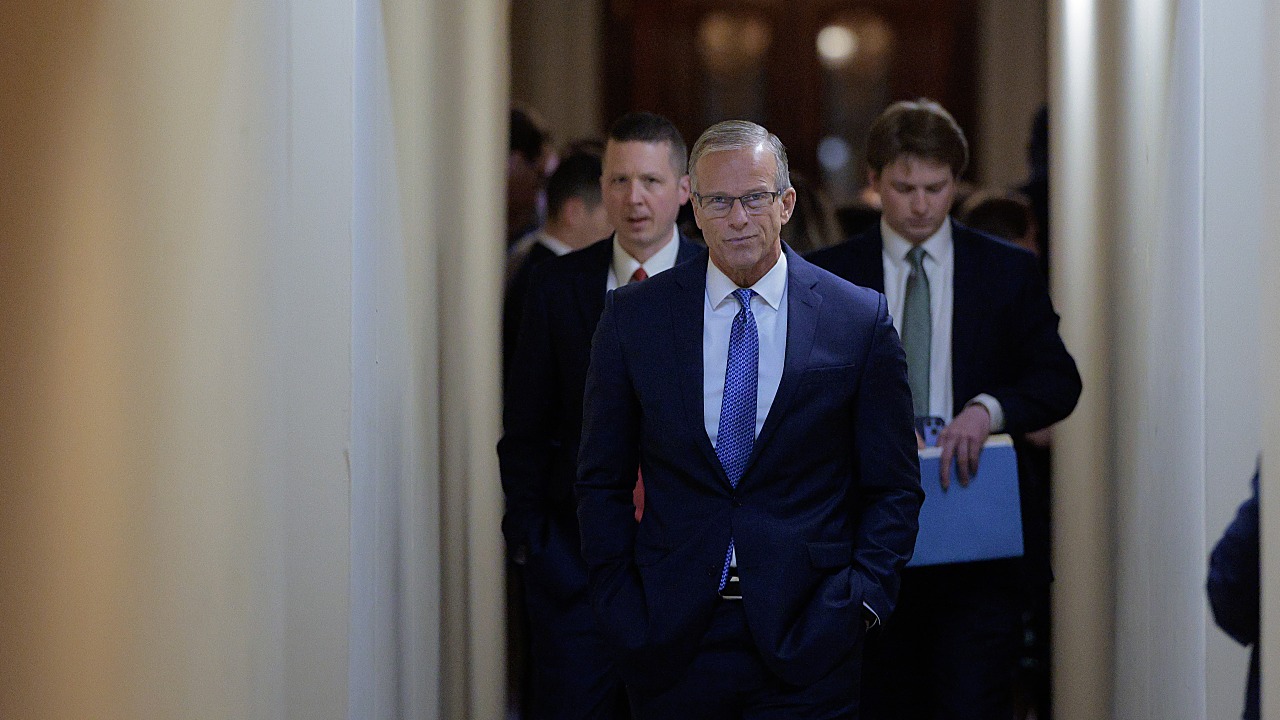
The U.S. Senate failed to advance a House-passed Department of Homeland Security (DHS) funding proposal on Thursday with a 51‑46 vote — the fourth attempt by Senate Republicans to pass it — falling short of the 60‑vote threshold needed. Senator John Fetterman of Pennsylvania was the only Democrat to vote with Republicans.
The DHS has been partially shut down since Feb. 14 after lawmakers allowed funding to lapse amid disagreement over reforms to Immigration and Customs Enforcement (ICE) and Customs and Border Protection (CBP) following the fatal shootings of Alex Pretti and Renee Good by federal agents in Minnesota in January.
Transportation Security Administration (TSA) agents are set to miss their first full paycheck this week, with absences more than doubling and hundreds of TSA workers reportedly having quit. More than 300 officers of the 50,000 working at U.S. airports have quit since the shutdown began, according to TSA.
The Spin
Republican narrative
Republicans offered four separate stopgap bills to fund the DHS and ensure TSA agents get paychecks, but Democrats blocked every single one while demanding separate votes that would defund immigration enforcement. Democrats are playing politics with national security while airport workers suffer and blue-state airports resort to crowdsourcing gift cards for TSA officers who may miss paychecks.
Democratic narrative
Republicans blocked five Democratic attempts to fund TSA, FEMA, cyber defenses and the Coast Guard while holding TSA paychecks hostage to force more money for ICE with zero reforms. Republicans refuse to simply fund TSA without strings attached, instead tying it to ICE funding they know is gridlocked after agents killed two people in Minnesota.
Cynical narrative
Both parties are deliberately weaponizing the day partial DHS shutdown to score political points rather than resolve it. Republicans block clean funding bills that don’t increase ICE/CBP support, while Democrats reject GOP funding plans over a perceived lack of oversight. Neither side will budge from their core demand, so they let airport security crumble, TSA agents miss paychecks, quit in droves, and travel chaos mounts — all to force the other side to blink first in the bigger immigration fight.
Suspect Dead After Ramming Michigan Synagogue, Reported Gunfight
The Facts
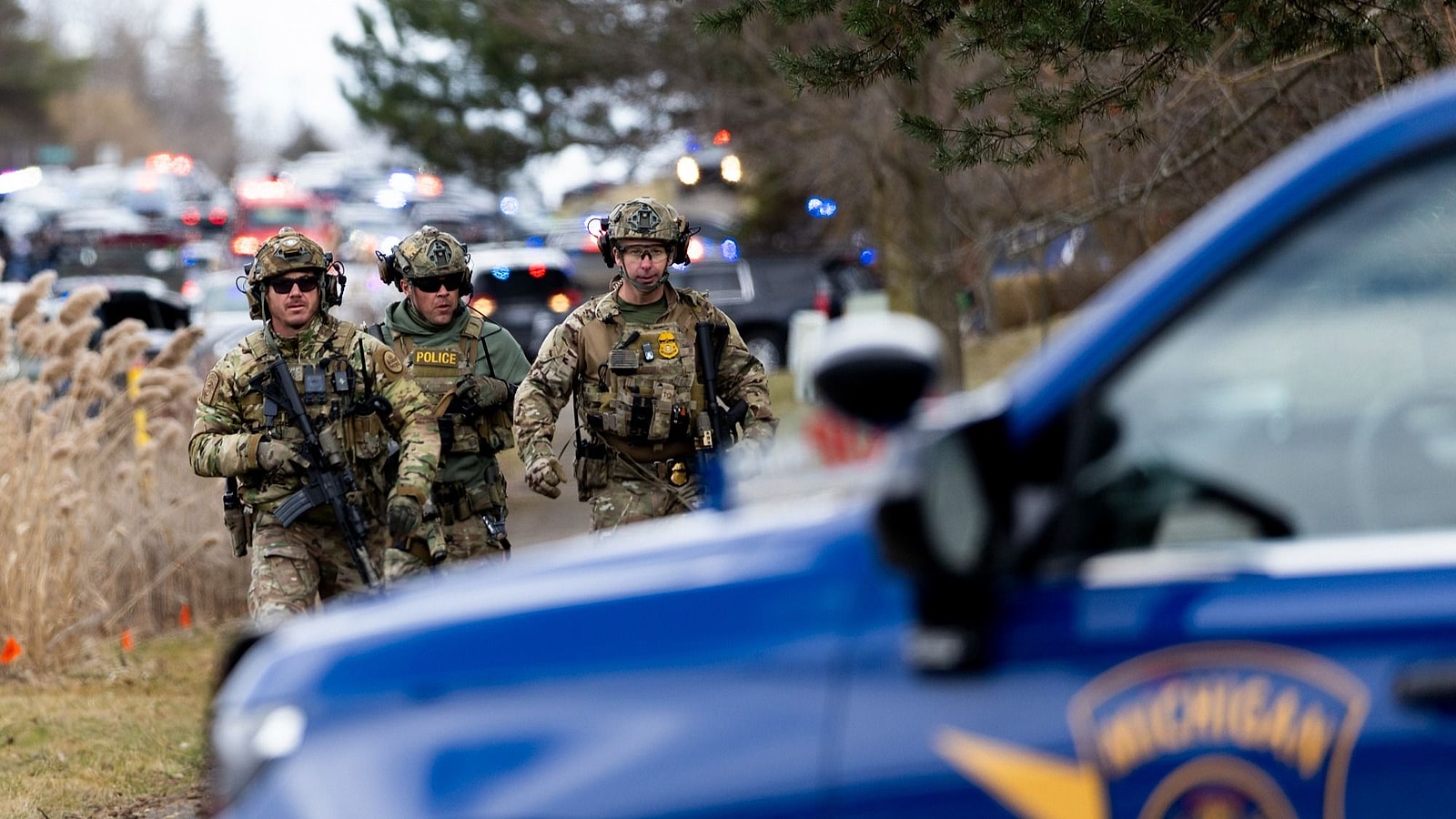
A driver rammed a vehicle into Temple Israel synagogue in West Bloomfield Township, Michigan, on Thursday afternoon and reportedly exchanged gunfire with security guards. The suspect was found dead inside the vehicle, which caught fire after something ignited inside.
One security guard was struck by the vehicle and knocked unconscious during the attack, but was later taken to a hospital for treatment and is expected to recover. No children or temple staff at the synagogue's preschool were injured in the incident.
Oakland County Sheriff Mike Bouchard stated that the suspect breached the facility by driving through the doors and down a hallway. Bomb technicians and bomb-sniffing dogs were deployed to search the vehicle for explosive devices.
The Spin
Pro-establishment narrative
Amid a terrifying rise in antisemitic attacks in the U.S., the fact that no one was hurt in this shooting is a relief. Like many synagogues across the country, Temple Israel was unfortunately forced to bolster its security, but thankfully so, because it was the security guard who opened fire on the attacker, likely saving many lives. Federal law enforcement is involved in investigating this incident.
Establishment-critical narrative
With this story only just breaking, it's important not to draw quick conclusions. Between the escalating war in Iran, the FBI's botched history of preventing and responding to such attacks, and the dubious claims of the administration, the public shouldn't blindly follow the official narrative regarding anything related to national security.
© 2026 Improve the News Foundation.
All rights reserved.
Version 7.18.3