Belarus Frees 123 Prisoners as US Lifts Potash Sanctions

The Facts
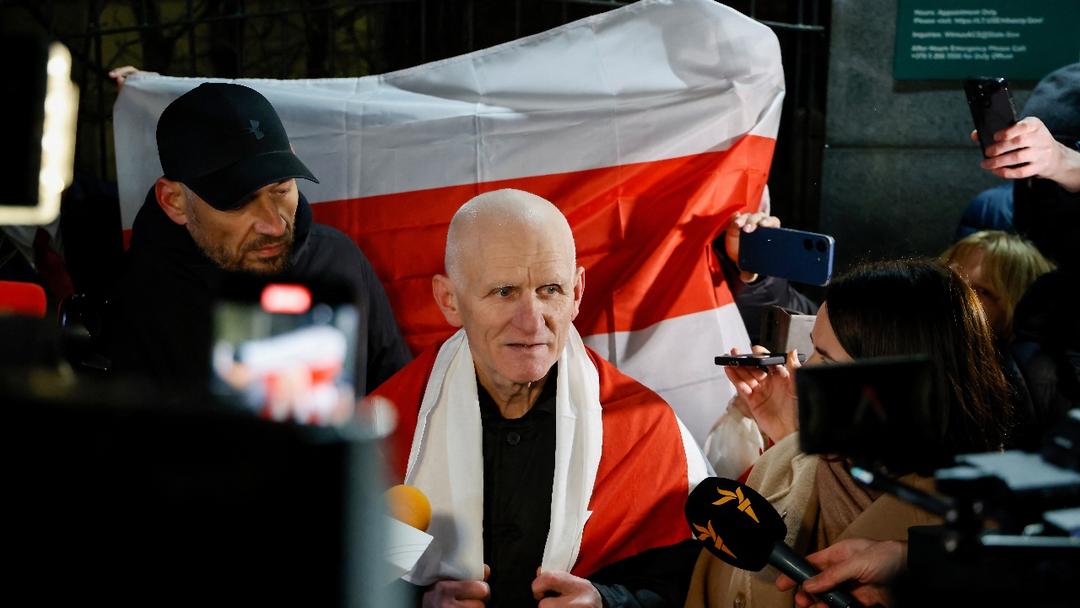
- Belarusian President Alexander Lukashenko freed 123 prisoners on Saturday following two days of talks with John Coale, the U.S. special envoy for Belarus, as Washington announced it would lift sanctions on Belarus' potash sector.
- Among those released were Nobel Peace Prize laureate Ales Bialiatski, who was convicted in 2023 and sentenced to 10 years on charges widely denounced as politically motivated, and opposition figure Maria Kolesnikova, who was sentenced to 11 years in 2021.
- Viktor Babariko, who was arrested in 2020 while preparing to run against Lukashenko in a presidential election, was also among those freed. The Coordination Headquarters stated that all released Ukrainian citizens and foreign nationals will receive the necessary medical care.


Sources Split
LEFT
CENTER
RIGHT

+1
+2


ESTAB
CRIT
CENTER
PRO
ESTAB
The Spin
Pro-establishment narrative
Diplomatic engagement with Belarus is working. Lifting potash sanctions creates leverage to pull Lukashenko away from Putin's influence while achieving tangible human rights progress. Strategic dealmaking delivers real results where isolation failed.

Establishment-critical narrative
Trading sanctions for prisoner releases rewards authoritarian regimes and legitimizes brutal crackdowns. Human rights shouldn't be bargaining chips in economic negotiations: this deal proves that dissidents' freedom depends on leverage, not justice.
Narrative C
The release of political prisoners is welcomed, yet over 1,200 remain jailed for seeking a voice. This moment honors courage and pressure, but exposes broken families and silenced voices. Freedom for all prisoners must follow without delay now.
Narrative D
Like any other sovereign nation, Belarus imprisons those who violate the law, marking a justified response to threats against national sovereignty. Critics from the West hypocritically ignore similar practices in their own histories while condemning Belarus for prioritizing state security. In a world of geopolitical rivalries, these measures ensure the nation's resilience against hybrid warfare and internal sabotage.