Gene-Edited Therapy Achieves 82% Remission in Leukemia Trial
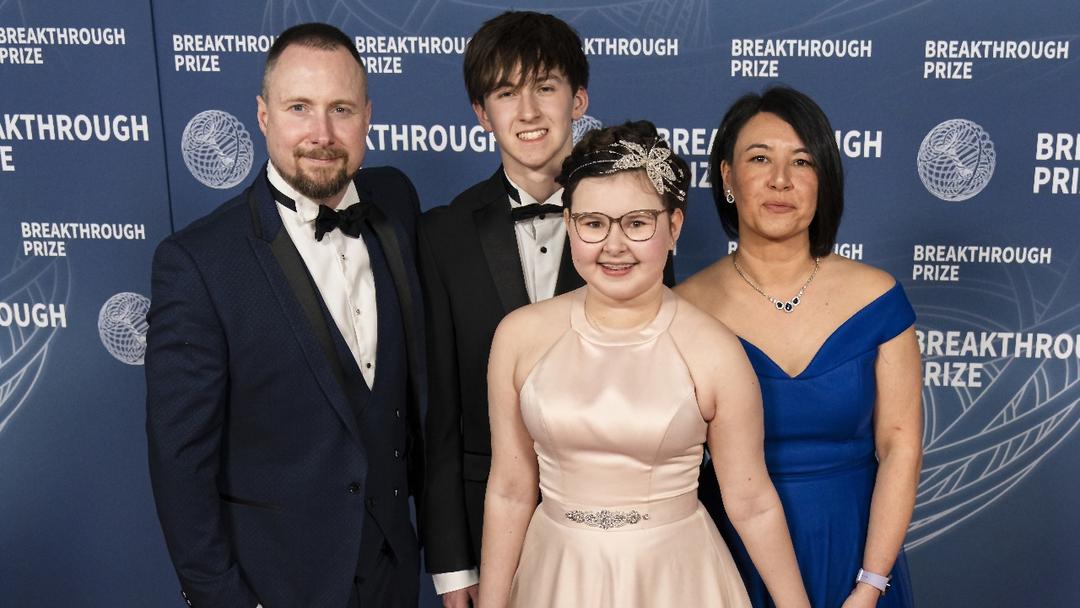
The Facts
- A clinical trial involving nine children and two adults with T-cell acute lymphoblastic leukemia at Great Ormond Street Hospital and King's College Hospital showed that 82% of patients achieved "deep remission" after receiving BE-CAR7 treatment, enabling them to proceed to stem cell transplant without detectable disease.
- The BE-CAR7 therapy uses base editing technology to modify healthy donor T-cells through three key DNA changes: disabling existing receptors to make them universal, removing the CD7 marker to prevent self-destruction and adding a chimeric antigen receptor to target cancerous T-cells.
- Alyssa Tapley from Leicester, who was 13 when she became the first patient to receive the base-edited treatment in 2022, is now 16 and disease-free, with plans to pursue an apprenticeship in biomedical science and eventually work in blood cancer research.


Sources Split
LEFT
CENTER
RIGHT
+1

+2
ESTAB
CRIT
CENTER
PRO
ESTAB
The Spin
Narrative A
Gene-edited therapy BE-CAR7 represents a monumental breakthrough in cancer treatment, achieving 82% deep remission rates for previously incurable T-cell leukemia. This off-the-shelf treatment uses base editing to transform donor immune cells into cancer-fighting weapons, offering real hope where only palliative care existed before.
Narrative B
While this may indeed offer promise, it could also face sobering long-term limits. Even though 82% of patients reached deep remission, unintended effects from gene-editing and immune-manipulation remain substantial. The “off-the-shelf” edited T-cells carry risks such as prolonged immunosuppression, infections, marrow suppression and in some cases immune escape of leukemia via CD7-negative variants — meaning relapse may still occur.
Metaculus Prediction
© 2026 Improve the News Foundation.
All rights reserved.
Version 7.18.2