Report: New Zealand Oceans Warming 34% Faster Than Global Average
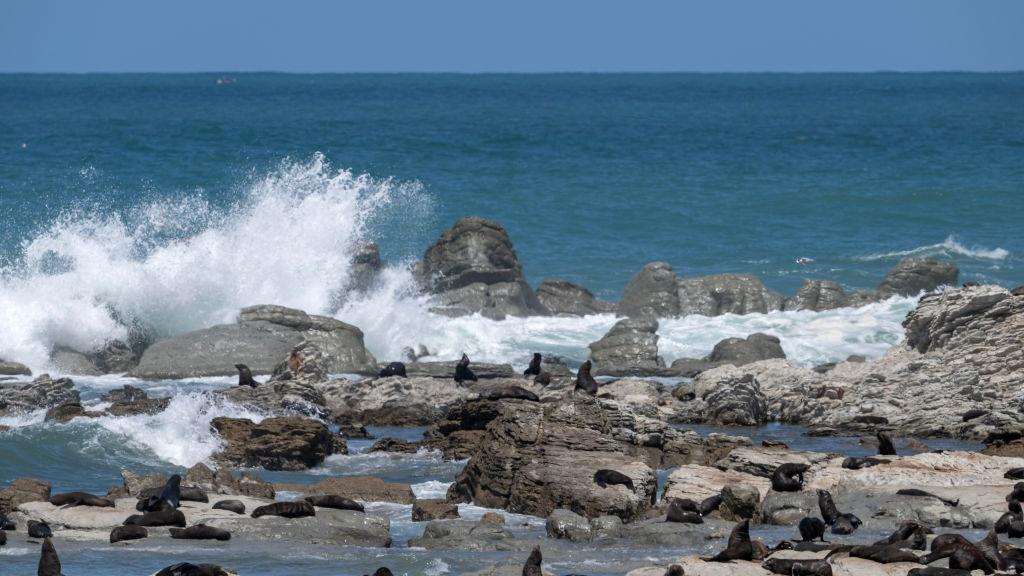
The Facts
- The Environment Ministry in New Zealand and Stats NZ, New Zealand's official data agency, released a report warning that the country's oceans are warming 34% faster than the global average, with sea-surface temperatures rising between 0.16°C and 0.26° C per decade from 1982 to 2023.
- As a result, thousands of coastal homes are reportedly at risk from flooding. Approximately 219,000 homes, valued at NZ$180 billion ($104 billion), are located in areas of coastal inundation as of 2023. An estimated 1,300 homes worth NZ$900 million face potential damage exceeding 20% from extreme weather events between 2026 and 2060.
- The reported warming of New Zealand's oceans has caused significant shifts in marine ecosystems. The Subtropical Front, a key ocean boundary, has shifted 120 km (75 miles) west for the first time, signaling major changes to marine ecosystems and threatening species like corals, kelp and fish.


Sources Split
LEFT
CENTER
RIGHT

+2

ESTAB
CRIT
CENTER
PRO
ESTAB
The Spin
Climate-skeptic narrative
Reports of ocean warming are often exaggerated by the media and activists to justify more regulation. The severity of climate threats is uncertain, and drastic environmental measures could harm farmers, industries, and jobs. A "least-cost" approach is more sensible — prioritizing economic stability while gradually reducing emissions. Ocean temperatures have fluctuated naturally for centuries, suggesting current changes may be part of a long-term cycle.
Climate-concerned narrative
This warming is due to human-caused emissions. Without action, sea levels could rise 30 cm (1 foot) by 2050, worsening floods and heatwaves. Delay will make adaptation far more costly. The New Zealand government must reinstate climate programs cut in 2024 and expand marine sanctuaries to protect biodiversity. Researchers from the National Institute of Water and Atmospheric Research have said that this decade is critical to prevent irreversible ocean damage.
Metaculus Prediction
© 2026 Improve the News Foundation.
All rights reserved.
Version 7.18.0