Scientists Identify Bacteria Behind Pacific Sea Star Die-Off
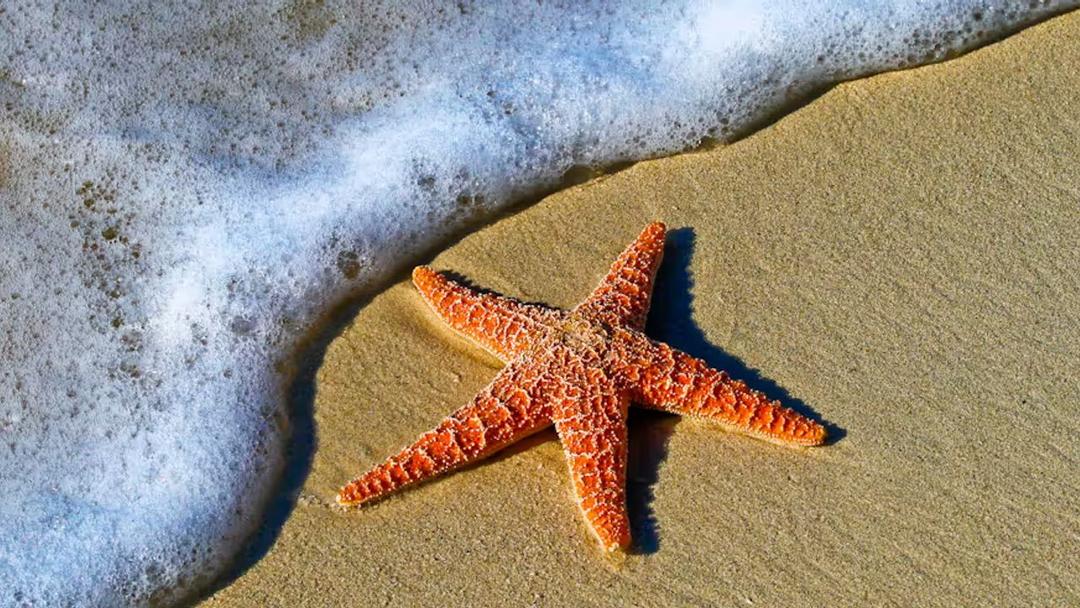
Above: Starfish on a sand beach in Key West, United States. Image credit: Unsplash
The Facts
- In a study published in the journal Nature Ecology and Evolution on Monday, researchers identified Vibrio pectenicida as the bacterium responsible for "sea star wasting disease," which has killed over five billion sea stars along the Pacific coast of North America since 2013.
- The sunflower sea star species lost approximately 90% of its global population within the first five years of the outbreak, with losses exceeding 87% in northern refuges where it persists.
- The disease causes sea stars to develop lesions before their arms fall off, and the animals dissolve into what researchers describe as puddles of goo within one to two weeks of exposure to the pathogen.


Sources Split
LEFT
CENTER
RIGHT
+3

ESTAB
CRIT
CENTER
PRO
ESTAB
The Spin
Narrative A
This breakthrough finally offers the tools to combat one of the ocean's most devastating epidemics. After a decade of watching these magnificent creatures decline, scientists can now develop targeted treatments, such as probiotics, and breed disease-resistant sea stars for reintroduction programs.
Narrative B
While identifying the bacterium marks progress, the real challenge lies ahead in understanding what triggered this pathogen to go rogue after existing harmlessly in ocean waters for years. Climate change and warming waters may have created conditions that allowed Vibrio pectenicida to proliferate and devastate sea star populations.

Metaculus Prediction
© 2026 Improve the News Foundation. All rights reserved.Version 7.17.1
© 2026 Improve the News Foundation.
All rights reserved.
Version 7.17.1