Study: 7K Steps A Day Cuts Death Risk by Nearly Half
The Facts
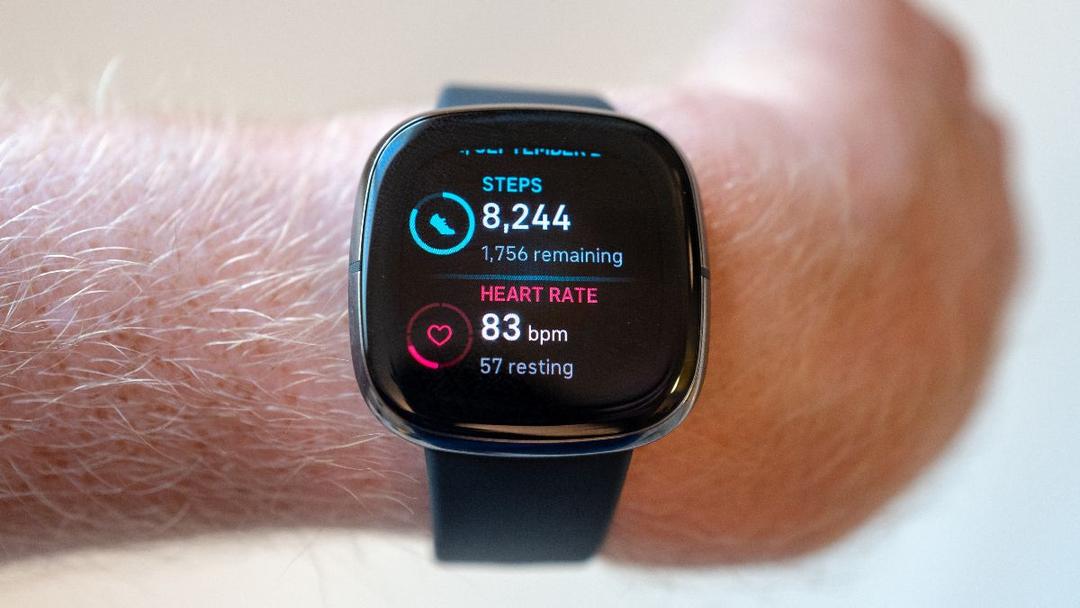
- According to a study published in The Lancet Public Health journal on Wednesday, walking 7,000 steps daily is associated with a 47% lower risk of death from any cause, a 25% lower risk of cardiovascular disease, a 38% lower risk of dementia, and a 22% lower risk of depression compared to walking 2,000 steps per day.
- Researchers analyzed data from 57 studies published between Jan. 1, 2014, and Feb. 14, 2025, involving over 160,000 adults to examine the relationship between daily step counts and various health outcomes.
- Even modest increases in daily steps showed health benefits, with 4,000 steps per day associated with a 36% lower risk of death from all causes compared to 2,000 steps daily.


Sources Split
LEFT
CENTER
RIGHT
+2

+2
ESTAB
CRIT
CENTER
PRO
ESTAB
The Spin
Narrative A
The 7,000-step target is a more realistic and achievable goal that can motivate inactive people to start moving. This lower threshold removes the intimidation factor of the 10,000-step benchmark, making fitness more accessible to those struggling with sedentary lifestyles. Research shows substantial health gains occur even with modest increases, proving that perfect shouldn't be the enemy of good when it comes to daily movement.
Narrative B
While 7,000 steps provide significant benefits, the 10,000-step target shouldn't be abandoned for those already achieving it. Higher step counts continue to provide additional protection against certain conditions, including cancer mortality and dementia. The focus should remain on maximizing health benefits rather than settling for a lower standard when people are capable of more.

Metaculus Prediction
© 2026 Improve the News Foundation.
All rights reserved.
Version 7.18.2