UN Warns Rohingya Refugee Services Face Collapse Amid Funding Crisis

The Facts
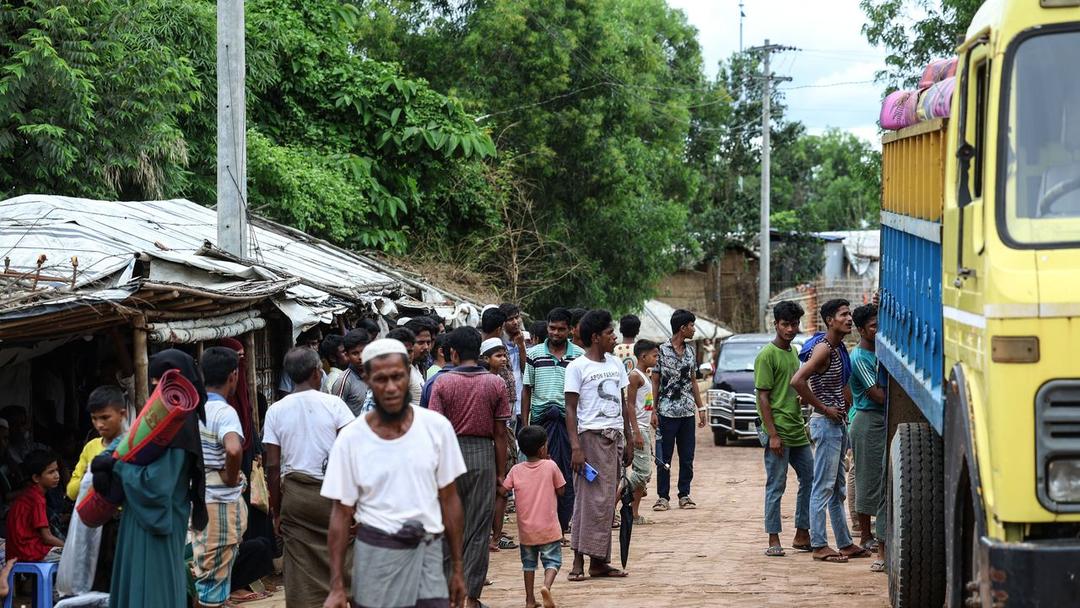
- The U.N.'s refugee agency (UNHCR) warned that essential services for Rohingya refugees in Bangladesh are at risk of collapsing due to funding shortfalls, with UNHCR's $255 million appeal is only 35% funded as of Friday.
- The agency said Bangladesh has received around 150,000 Rohingya refugees over the past 18 months, marking the largest influx from Myanmar since 2017, when 750,000 fled deadly violence in Rakhine State. The UN added that biometric identification has helped deliver aid to new arrivals.
- More than one million Rohingya refugees are currently crammed into camps covering just 24 square kilometers (9.2 square miles) in Cox's Bazar, southeastern Bangladesh, making it one of the world's most densely populated refugee settlements.


The Spin
Narrative A
These warnings are a last resort cry of desperation, as global aid cuts, particularly from major donors like the U.S., have been crushing refugee programs for months. From Bangladesh and South Sudan to Burkina Faso and Haiti, millions of lives are now at risk if world powers — which historically could always be relied upon — don't reverse course.
Narrative B
These U.N. relief campaigns don't actually help the countries and people they claim to. USAID, for example, has long been used to fund dirty espionage operations rather than to feed or house refugees. Residents from these countries know this, and until the Western powers in charge clean up this rotten system, no one should support the U.N.'s ineffective aid programs.
Cynical narrative
There's a much more dehumanizing side to U.N. aid programs beyond simple underfunding and efficacy problems. Rohingyas have been forced to sign up for so-called "Smart Cards," which use biometric data to track refugees, and without which they're not allowed to access food. Without adequate explanations of what these cards are, refugees are treated like guinea pigs in this new surveillance experiment.
Limited Coverage
Public Figures
© 2026 Improve the News Foundation.
All rights reserved.
Version 7.17.1