1 in 7 UK Adults Use AI Chatbots Over NHS GPs
The Facts
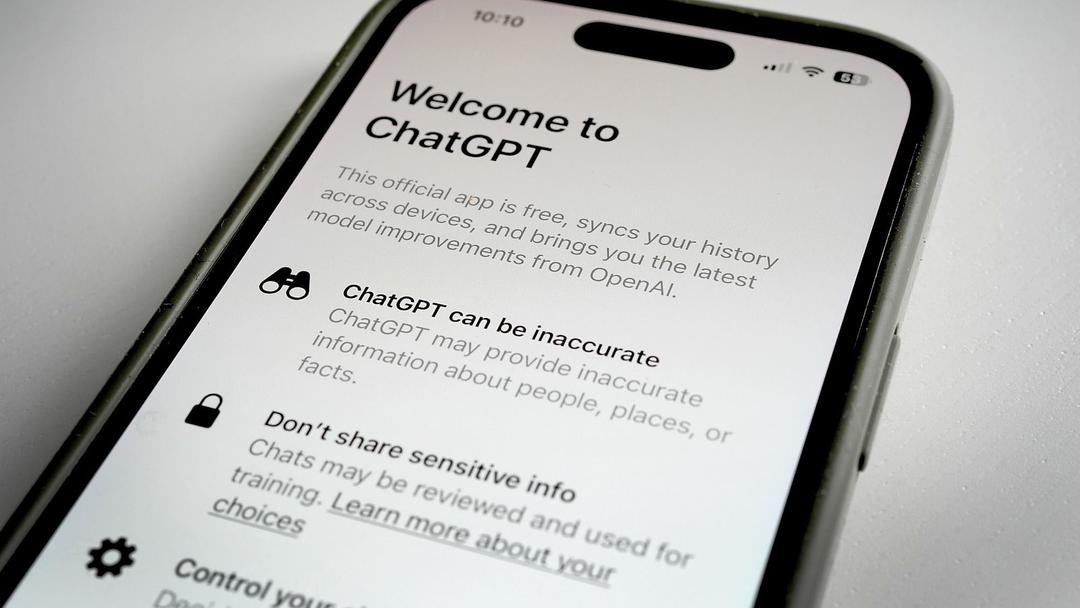
- A U.K. study of more than 2,000 adults published on Wednesday found that one in seven people (15%) have used AI chatbots for health advice instead of contacting a General Practitioner (GP) or using a National Health Service (NHS) service, with a quarter of those citing long NHS waiting lists as their reason.
- Of those who sought health advice from AI, 20% said the technology did not encourage them to seek a professional opinion, and 21% said they decided against consulting a health care professional based on something an AI chatbot told them.
- Public opinion on AI use in clinical decision-making is nearly evenly split, with 37% in favor and 38% opposed. Those aged 18 to 24 showed the highest opposition at 49%, compared with 36% among those aged 65 and over.


Sources Split
LEFT
CENTER
RIGHT

+2


+1
ESTAB
CRIT
CENTER
PRO
ESTAB
The Spin
Techno-skeptic narrative
While using chatbots for simple advice is okay, they're quietly becoming an unregulated health care system that runs parallel to the NHS. A fifth of people who used chatbots for health advice said the technology didn't push them toward professional care, and some skipped appointments entirely based on what AI told them. These tools can't examine patients, often miss critical context and have been known to spread outright misinformation.

Techno-optimist narrative
The real issue isn't AI itself, but that the NHS access is so broken that people are forced to find workarounds. Smart Triage tools are already cutting phone wait times to under a minute and letting doctors handle multiple cases in a single slot. When AI is designed thoughtfully and paired with human support, it genuinely improves access rather than replacing the care people deserve.
Cynical narrative
The deeper problem is that AI trains people to stop thinking for themselves. Researchers are already warning about “cognitive atrophy” and addictive behavior as users become dependent on chatbots for companionship, answers and decision-making instead of real-world relationships, experts or critical thought. These systems are designed to give people exactly what they want with minimal effort, creating a habit of outsourcing judgment, creativity and even basic reasoning to machines.








© 2026 Improve the News Foundation.
All rights reserved.
Version 7.17.1