Canadian Boy Dies of Rabies After Bat Contact
The Facts
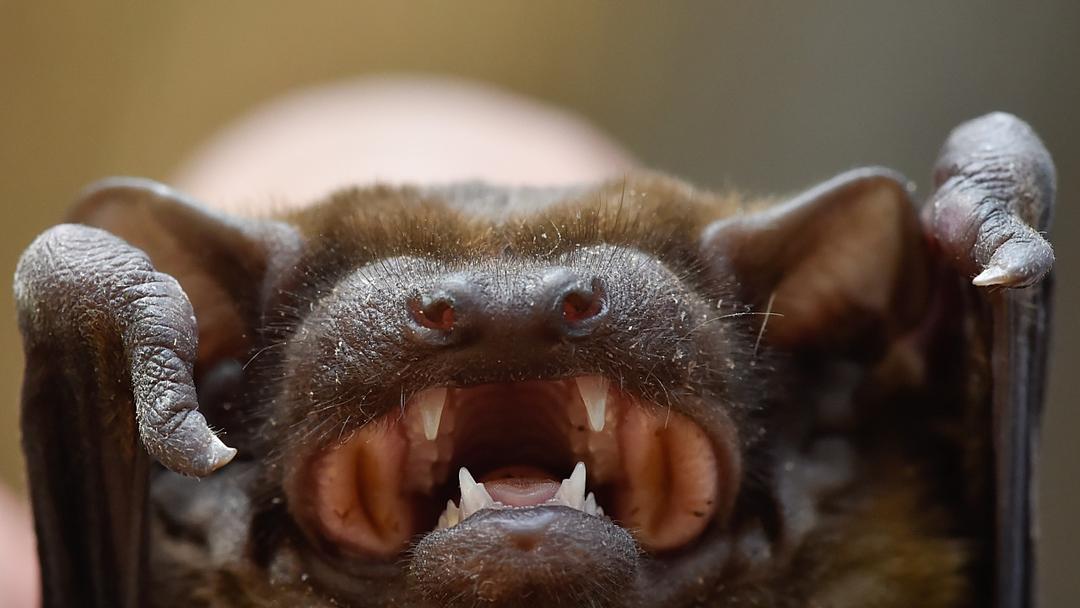
- An 11-year-old boy died from rabies in Ontario, Canada, after waking to find a bat on his nose and mouth during a cottage visit in 2024. The case, described as the first locally acquired rabies infection in Ontario since 1967, was published Monday in the Canadian Medical Association Journal.
- The boy's parents did not seek medical attention after the incident, as he had no visible bite marks and the bat did not appear to behave erratically. Symptoms including facial numbness, tingling and swelling emerged approximately 19 days later.
- Doctors initially treated the boy for Bell's palsy and herpes gingivostomatitis before his condition rapidly worsened. He developed a fever, confusion, hallucinations and difficulty swallowing, and was admitted to a pediatric intensive care unit.


Sources Split
LEFT
CENTER
RIGHT
+3
+2

ESTAB
CRIT
CENTER
PRO
ESTAB
The Spin
Narrative A
Any direct contact with a bat demands immediate medical attention, whether there is a visible bite or not. The tragic death of an 11-year-old Ontario boy shows how fast rabies can turn fatal once symptoms appear, and how easily exposure gets dismissed. Post-exposure vaccines are nearly 100% effective if given promptly, making the decision to seek care after any bat encounter a straightforward, life-saving one.

Narrative B
This death is tragic and indeed serves as a stark reminder of the dangers of contact with bats, however, dogs actually cause 99% of human rabies deaths globally, killing an estimated 59,000 people a year. Mass dog vaccination at 70% coverage or higher is the most proven, cost-effective way to stop rabies at its source. Focusing prevention efforts on canine rabies control saves far more lives than reactive post-exposure treatment ever could.

© 2026 Improve the News Foundation.
All rights reserved.
Version 7.17.1