GLP-1 Makers Sued Over Rare Sudden Vision Loss
The Spin
Narrative A
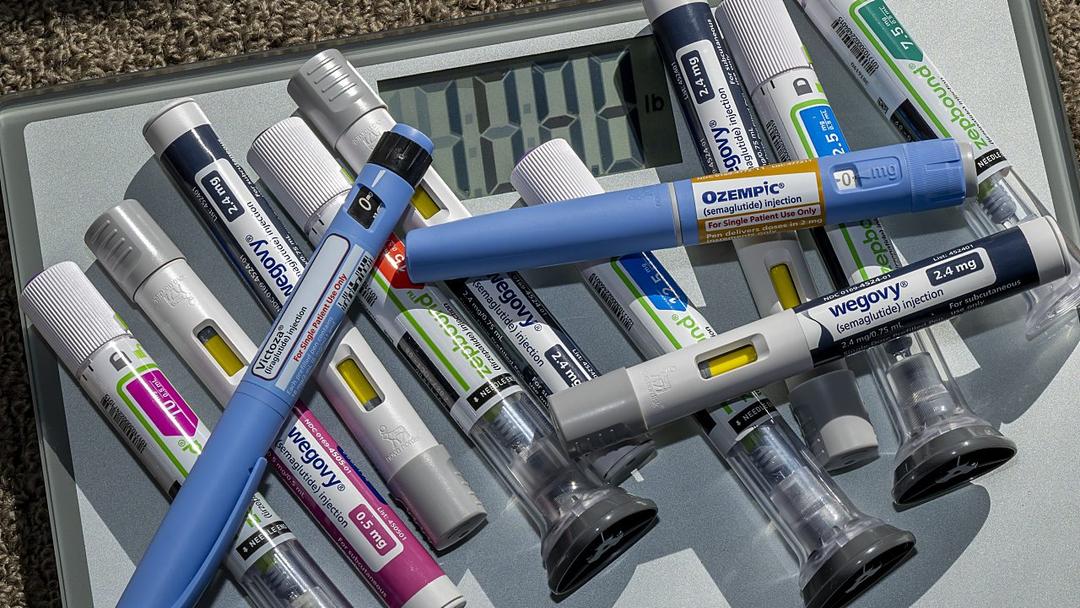
Harvard researchers found semaglutide users developing NAION at four to seven times the normal rate, and European regulators found the risk real enough to require warnings on the label. With tens of millions on these drugs, a one-in-10,000 risk means thousands of people facing sudden blindness and permanent optic nerve damage. These serious side effects make clear that rapid weight loss treatments are too good to be true.
Narrative B
Randomized placebo-controlled trials of semaglutide and liraglutide show no increased incidence of NAION, and that's the gold standard for proving cause. Cohort studies covering more than 100,000 patients back it up, with relative risks sitting right at or below 1.0 across one. Scaring patients off effective medicine over a causal relationship unestablished by best practice helps no one.
Metaculus Prediction
© 2026 Improve the News Foundation.
All rights reserved.
Version 7.16.0