'Kona' Storms Trigger Hawaii's Worst Floods in 20 Years
The Facts
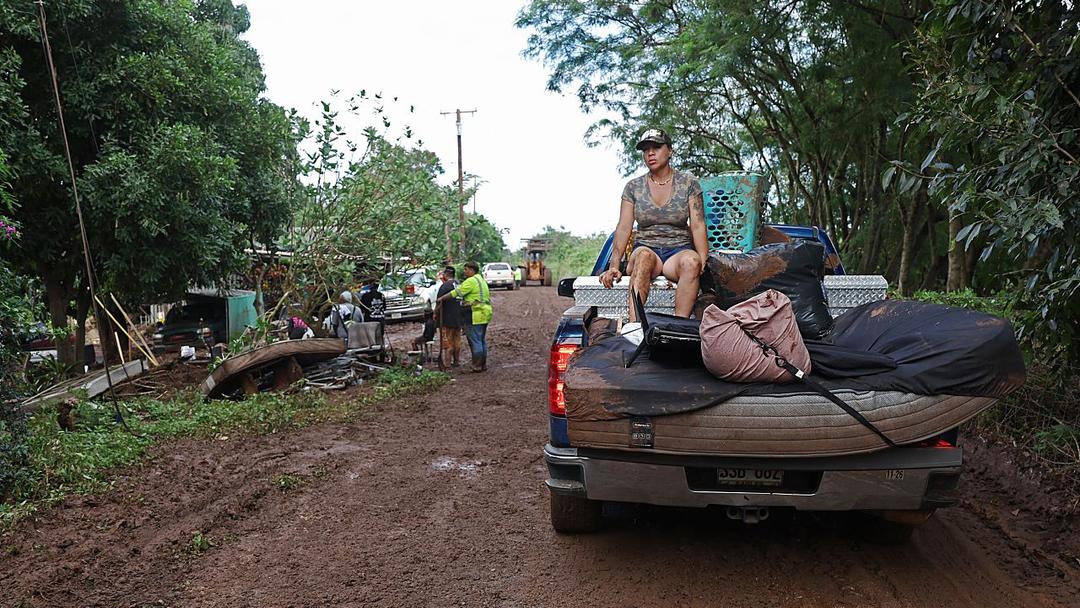
- Hawaii experienced its worst flooding in more than 20 years over the weekend, with heavy rains falling on soil already saturated by a previous strong "Kona" storm the previous week. Evacuation orders were issued for roughly 5,500 residents north of Honolulu, which were later lifted.
- Gov. Josh Green estimated damage from Kona storm events could exceed $1 billion, affecting airports, schools, roads, homes and a Maui hospital in Kula. Green said his chief of staff spoke to the White House and received assurances of federal support. Approximately 200,000 gallons of partially treated wastewater reportedly overflowed, entered the storm drain system and flowed towards the ocean in the Lahaina area.
- More than 200 people were rescued from rising floodwaters, with no deaths reported. About 10 people were hospitalized for hypothermia, and the National Guard and Honolulu Fire Department airlifted 72 children and adults from a spring break youth camp.


Sources Split
LEFT
CENTER
RIGHT
+1
+1

+1
+1
+1
ESTAB
CRIT
CENTER
PRO
ESTAB
The Spin
Climate-concerned narrative
Hawaii's worst flooding in over 20 years has been a catastrophe of historic proportions, with $1 billion in damage, 5,500 evacuation orders and a 120-year-old dam teetering on the edge of failure. The Wahiawa dam's crumbling condition — with four state deficiency notices since 2009 and an incomplete ownership transfer — shows decades of neglect that put lives at risk. Human-caused global warming is intensifying these destructive "Kona" storms, and Hawaii is on the front lines of climate change.

Climate-skeptic narrative
Hawaii is vulnerable to tragic events like these, but climate alarmism doesn't help. The 2023 wildfires were blamed on climate change, but a closer analysis shows that more complex land mismanagement issues were, in fact, to blame. Cherry-picked climate data muddies the discourse, and the focus should instead be on better planning and infrastructure resilience initiatives to help reduce impacts from flood events like these.
Go Deeper


© 2026 Improve the News Foundation.
All rights reserved.
Version 7.18.2