Israeli Election: Extra-Territorial Expansion


The Facts
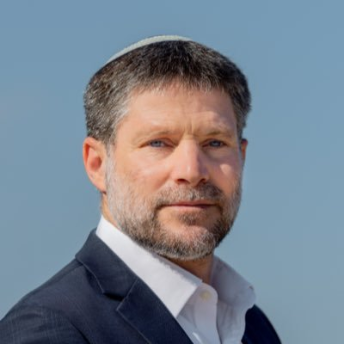
- Overview: The phrase "greater Israel" covers several distinct ideas: a biblical map extending from the Egyptian Nile to the Euphrates River, a Revisionist Zionist vision of the former British Mandate and, since 1967, the retention or annexation of occupied territory. After Hamas' Oct. 7, 2023 attack, the latter gained political force through settlement expansion and civilian control in the West Bank. Israeli Prime Minister Benjamin Netanyahu has voiced affinity with the idea, Finance Minister Bezalel Smotrich backs West Bank control, while opposition figures argue for less war and separation from the Palestinian Territories.
- Security Belts: Israel increasingly uses buffer zones beyond its borders as a forward-defense strategy, tying withdrawal to conditions such as militant disarmament. In Gaza, the proportion of the strip's territory under Israeli control rose from about 53% at the October 2025 ceasefire to over 60%, while 57% of Israelis support a permanent buffer zone in Lebanon. Cenrist Gadi Eisenkot would retain Israeli security responsibility and buffer zones in Gaza but favors ending open fronts, with phased withdrawal from Lebanon as the country's army replaces Israeli forces.
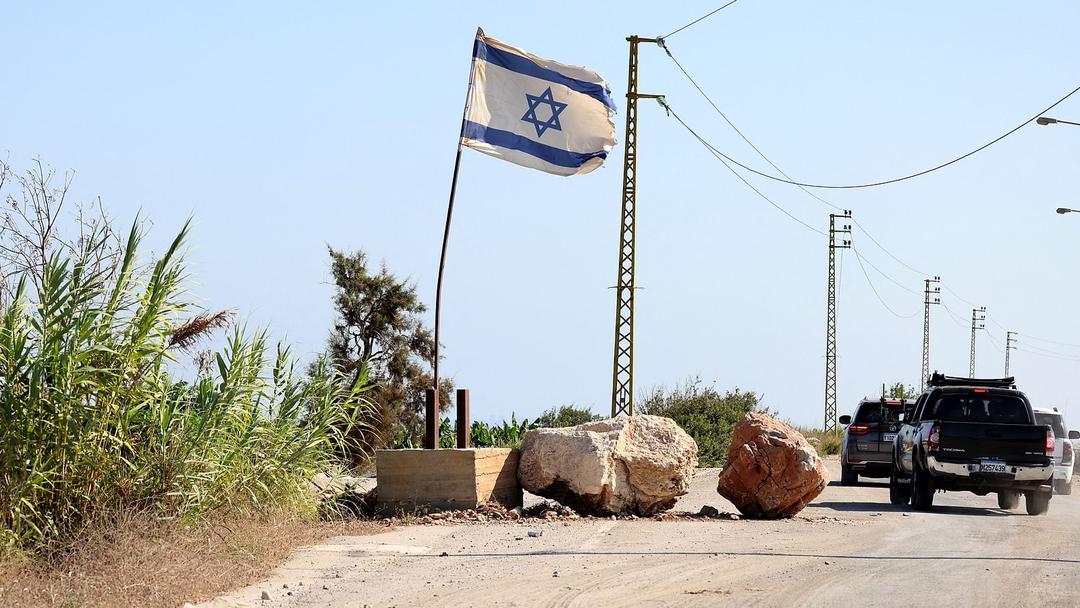
- Lebanon and the Litani: Israel currently holds about 600 sq. km (230 sq. miles), or 6%, of Lebanon. Policy positions range from Smotrich's call to move the border 30 km north to the Litani River to a proposed "gray line" retaining a 3-4 km security zone. A June framework ties phased withdrawal to Lebanese disarmament of Hezbollah, largely backed by Eisenkot, while Hezbollah demands withdrawal first. Lebanon's government seeks a full withdrawal, with officials warning security belts and stalled talks threaten sovereignty, unity and "civil peace."


Sources Split
LEFT
CENTER
RIGHT

+2
+2
+5
+1
+1
+1
+1
+4
+1
+1
ESTAB
CRIT
CENTER
PRO
ESTAB
The Spin
Right narrative
Oct. 7 proved that Israel's security cannot depend on promises, international monitors or borders that leave hostile forces within striking distance. Holding security zones in Gaza, Lebanon and Syria is strategic depth, not a plan for conquest. Netanyahu's government has no territorial ambitions in Lebanon and remains open to agreements, but withdrawal must follow verified disarmament. Israel returned the entire Sinai for durable peace, and it can trade land again when long-lasting security is truly on the table.


Left narrative
Israel has weakened its enemies militarily, but indefinite occupation risks rebuilding the very resistance it was meant to defeat. The better strategy is to turn battlefield gains into diplomacy: strengthen Lebanon's government and army, negotiate withdrawals with Arab states and restrain West Bank settlers. Even centrist candidate Gadi Eisenkot favors tough security conditions, but ending open fronts could unlock agreements with Syria, deepen Arab normalization and leave Israel safer without permanent territorial control.
Narrative C
Israel should stop apologizing for expansion and recognize that Jewish settlement is itself a security strategy. Oct. 7 showed what happens when Israel abandons territory and trusts hostile neighbors to keep the peace. Southern Lebanon should be annexed and settled to create permanent strategic depth, while Israel should extend its Syrian security belt to protect the Druze. Smotrich's settlement model points the way: hold strategic land, populate it and make Israel's military gains irreversible.
Pro-Palestine narrative
From the very beginning, Israel has been an expansionist state. In the early 20th century, Palestinian Jews made up a small fraction of the population, yet through settlement, land theft and ethnic cleansing, Israel was able to declare independence. Indeed, the genocidal policies of today are simply the continuation of the policies of Israel's foundation.