Libya: Nike Faces Fatwa Over Greek Goddess Name
The Facts
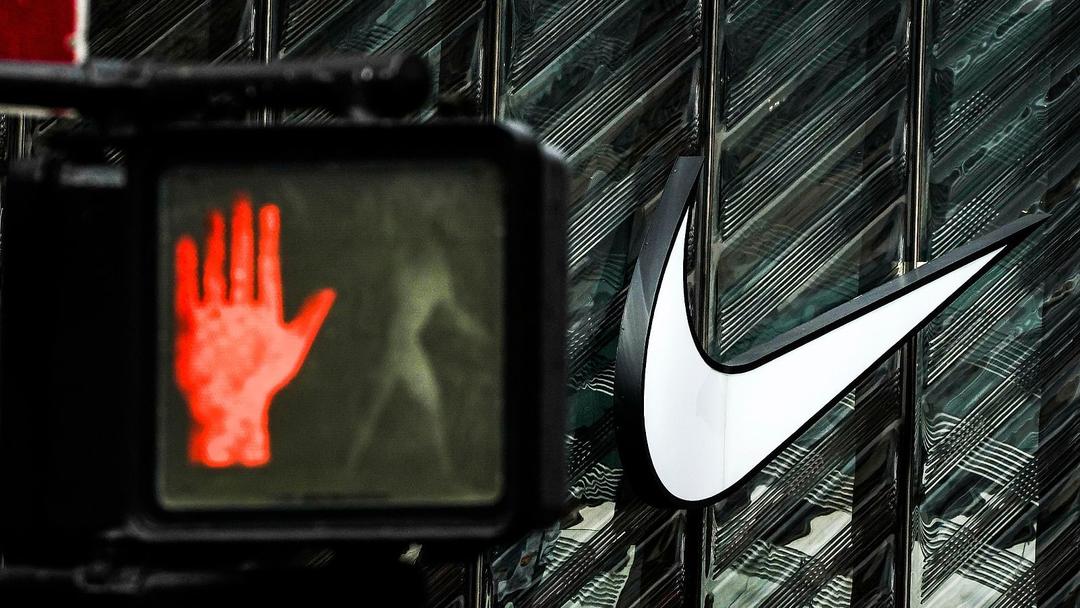
- Libya's highest religious authority, the Tripoli-based Dar al-Ifta, has issued a fatwa barring Muslims from buying, selling or wearing clothing bearing the Nike logo, arguing the brand is named after the Greek goddess of victory and its swoosh evokes her wings.
- The ruling, numbered 6697 and approved by Grand Mufti Sadiq al-Gharyani, said that wearing the name and symbol amounts to promoting imagery linked to polytheism, the worship of multiple gods. Libya is home to Cyrene, an ancient Greek city with remains depicting the goddess.
- Dar al-Ifta also accused Nike of supporting Israel, citing a Nov. 5, 2023, statement by its Council for Research and Sharia Studies urging boycotts of companies linked to Israel. The fatwa remains a religious opinion and imposes no state ban or penalties on buyers.


Sources Split
LEFT
CENTER
RIGHT

+1
+1
+1
+5
+2
+1
ESTAB
CRIT
CENTER
PRO
ESTAB
The Spin
Pro-government narrative
A nonbinding religious opinion carries no penalties, police enforcement or state ban, so portraying it as a crackdown on sneakers is laughable. The fatwa also reflects a broader boycott of companies accused of supporting Israel, not just objections to pagan symbolism. Shoppers can still buy Nike products, while Libya competes in Arab beach soccer and bids to host the Africa Cup of Nations — hardly a country shutting itself off from the world.
Government-critical narrative
Banning a swoosh over a Greek goddess would be laughable if the implications weren't so disturbing. It fits a broader pattern of moral policing increasingly taking hold in Libya, targeting music, theater, dance and women's freedom to travel. When clerics dictate haircuts, clothing and even sportswear, personal freedoms steadily disappear. With journalists harassed and jailed, Libya's growing religious authoritarianism paints a deeply troubling picture.
Establishment-critical narrative
Libya's Nike controversy may seem bizarre, but it reflects a country still grappling with the devastating consequences of Western intervention. NATO's 2011 campaign helped topple Gaddafi, shattered the existing order and paved the way for rival governments and armed militias. The West cannot simply wash its hands of the chaos it helped unleash while ordinary Libyans continue to pay the price for its reckless and disastrous decisions.
