Study: Traffic Noise Linked to Higher Parkinson's Risk
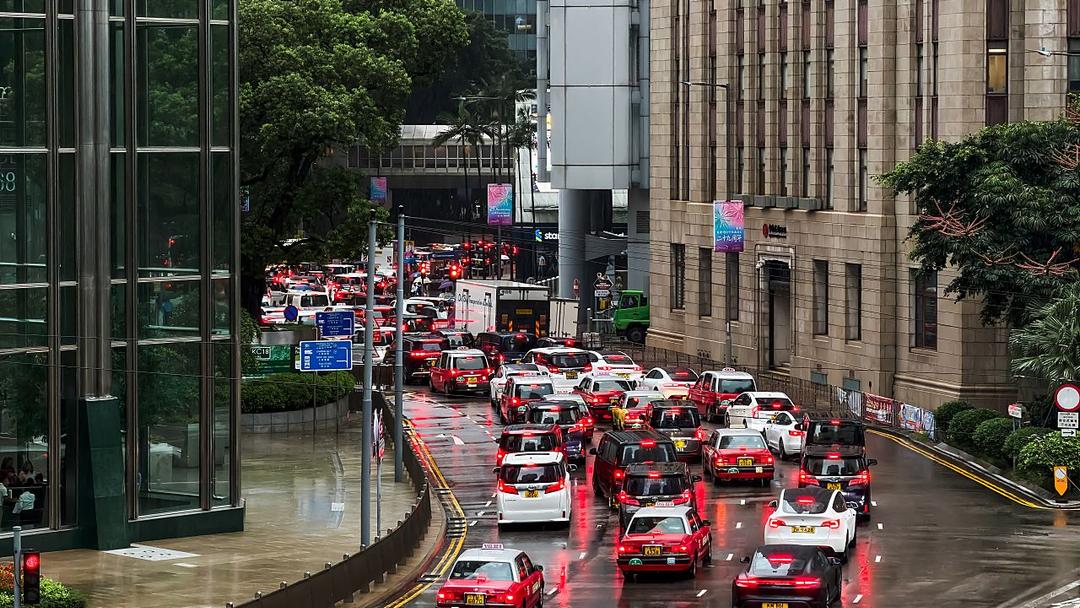
The Facts
- A study published in JAMA Neurology on Monday tracked 3.1 million Danish adults aged 40 and older from 2000 to 2017, finding that long-term exposure to residential road traffic noise was associated with a higher risk of Parkinson's disease.
- For every 11.5-decibel increase in noise on the most exposed side of a home, the risk of Parkinson's disease rose by 3%. The quietest side showed a stronger association, with a 4% rise in risk for every additional 9 decibels.
- Homes where the quietest facade was at least 10 decibels lower than the noisiest side were associated with a reduced Parkinson's risk, particularly for residents exposed to overall noise levels above 50 decibels.


Sources Split
LEFT
CENTER
RIGHT
+1
+1
+1
ESTAB
CRIT
CENTER
PRO
ESTAB
The Spin
Narrative A
Urban noise pollution is one of the top emerging environmental threats, and governments are still dragging their feet with reactive, piecemeal fixes instead of embedding sound planning into city design from the start. Smarter urban planning, not just noise walls and sound radars, is the only sustainable path forward. The importance of noise pollution must be recognized.

Narrative B
A 3% risk increase per 11 decibels is real but modest — smaller than the Parkinson's risk associated with pesticide exposure, head trauma, or genetic factors where causal mechanisms are established. The study is correlational, the pathway unconfirmed, and the policy implication — mandate quiet facades across European housing stock — is vastly disproportionate to the effect size.

© 2026 Improve the News Foundation.
All rights reserved.
Version 7.17.1