Swan Song


The Facts
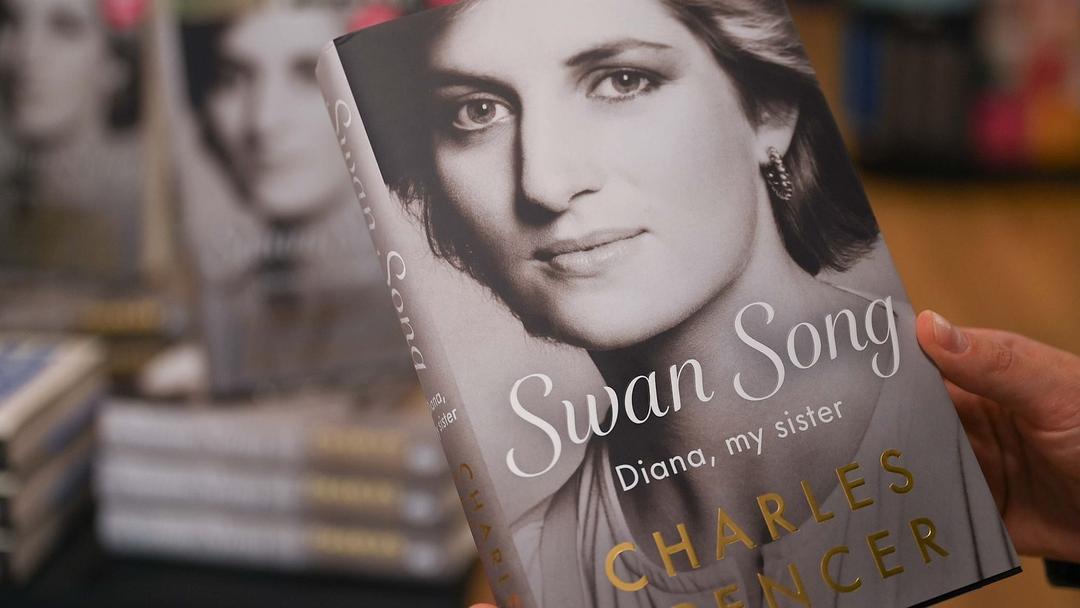
- Overview: "Swan Song: Diana, My Sister" is a memoir by Charles Spencer, younger brother of Diana, late Princess of Wales and the first wife of Charles III, published on Sept. 22. Spencer, author of nine previous nonfiction books, structures the roughly 400-page work as an extended eulogy, weaving childhood memories with the planning of Diana's funeral. He states that the book aims "to tell the truth about Diana from her brother's perspective," saying he wanted to record his account before more time passed.
- Context: The book arrives ahead of the 30th anniversary of Diana's death and follows repeated requests for Spencer to appear in documentaries about her, including from Diana biographer Andrew Morton and former political advisor to Tony Blair Alastair Campbell. It also comes as King Charles wrestles with ongoing scrutiny of his relationship with Prince Harry and his wife Meghan Markle, who returned to the U.K. from the U.S. in October. Their initial departure was marked by a period of public criticism of 'The Firm' of Buckingham Palace and pressures of royal life, including tabloid invasion of privacy.
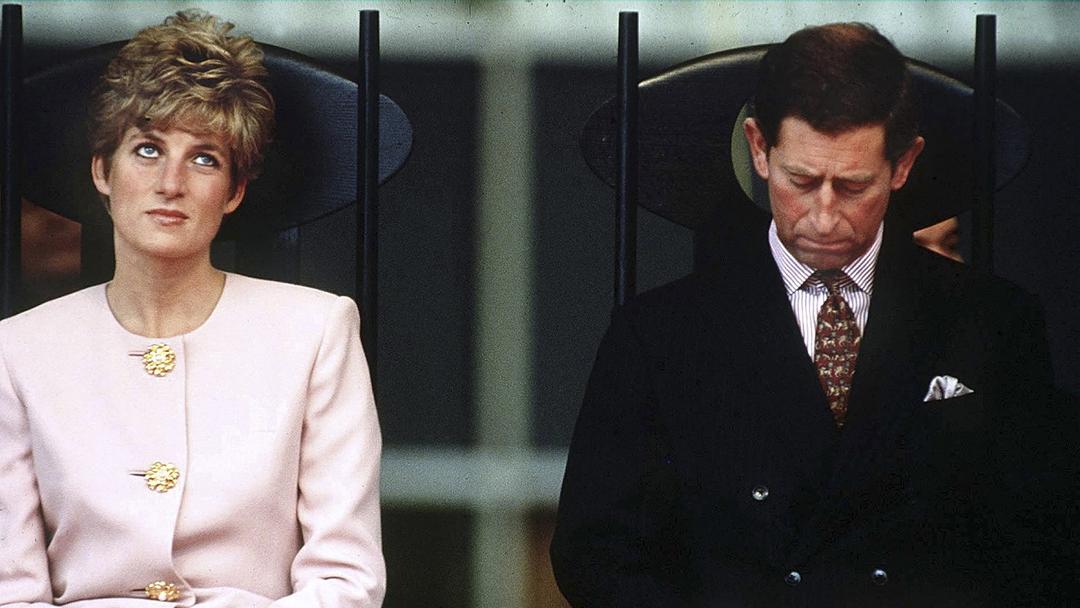
- Author's Claims: Spencer alleges that then-Prince Charles sounded "giddily elated" upon learning of Diana's death and told him by phone: "Rest assured, we'll forget her soon enough!" He also claims Charles told him after their father's funeral, "You're just so lucky — you know inheriting when you're so young!" and once complained about being treated "like a child" at 43, despite employing 50 people at the time. Spencer says Charles told Diana before their wedding that he was not in love with her, adding that Diana tried to call off the engagement, but her father said it was too late.


Sources Split
LEFT
CENTER
RIGHT
+2
+2
+4
+2
+1
+2
ESTAB
CRIT
CENTER
PRO
ESTAB
The Spin
Pro-establishment narrative
"Swan Song" sells itself as a tribute to Diana, but Charles Spencer's ego is the real star. Chapter after chapter circles back to his famous eulogy at Diana's funeral, complete with every compliment ever paid to it, while unprovable, deliberately sensational jabs at the King are being sold as truth-telling. Dwelling on personal grievances while score-settling with dead relatives and an ex-husband isn't devotion to a sister, it's a legacy campaign to the book's own author.


Establishment-critical narrative
Spencer's "Swan Song" has good reason to be believed as a corrective to the Palace's narrative. He knew Diana long before the cameras, and his anger over Charles's conduct was already evident during the funeral week in 1997, decades before this memoir. His firsthand memories and willingness to expose painful family truths lend credibility to his account, offering a more intimate portrait of Diana than the Palace's carefully managed narrative ever could. The book, ultimately, is a brother's well-intended attempt to set the record straight on his sister's life.


Narrative C
"Swan Song" presents itself as an authoritative account of Diana's life, but in reality, it is just one of many interpretations of a woman whose story is often shaped by other people's perceptions. Spencer's desire to speak on his sister's behalf risks placing him within the same narrative machine he criticizes. As Diana's legacy continues to be claimed, contested and reimagined, perhaps her deepest tragedy is that she can no longer tell her own story.