Unidentified Flying Objects



Overview
- Beliefs relating to what is now generally referred to as Unidentified Flying Objects (UFOs) date back centuries, drawing on ancient-astronaut claims, Renaissance sky portents, 19th-century mystery airships and wartime foo-fighter reports, while historians caution that each era described and understood anomalies through its own culture and technology.
- The 1947 Roswell incident became the central modern UFO origin myth because the Army first announced recovery of a flying disc and quickly retracted it as a balloon, later explaining the debris as Project Mogul while skeptics and believers disputed witness memory, secrecy and missing records.
- Area 51's verified history centers on classified aircraft testing at Groom Lake, including the U-2 and A-12, but decades of official non-acknowledgment, Bob Lazar's S4 claims and tourism around Rachel, Nev., turned the base into a durable symbol of government secrecy.


Sources Split
LEFT
CENTER
RIGHT
+3
+5

+2
+5

+2
+1

+3
+8


+1


ESTAB
CRIT
CENTER
PRO
ESTAB
The Spin
Pro-establishment narrative
Official reviews have found no verifiable evidence that UFOs are alien craft or hidden technologies. Roughly 90% to 95% of sightings have ordinary explanations, while viral Navy footage has proved to be camera effects, balloons, insects or other mundane objects. AARO found alleged cover-up programs traced to circular reporting and misidentified U.S. research, and prominent whistleblowers have offered only secondhand stories, not testable proof.


Establishment-critical narrative
Government assurances ring hollow when AARO omitted intelligence records, misstated an Air Force study whose best cases remained 33% unexplained and relied on limited interviews. Military witnesses describe vanished emails and UFO imagery withheld from Congress, while whistleblowers report retaliation for speaking the truth. Even the intelligence community inspector general called allegations of concealed information "credible and urgent," warranting independent scrutiny.

Cynical narrative
The UFO spectacle is useful for governments and the media, whether anomalies exist or not. Intelligence agencies can disguise secret aircraft, confuse adversaries and divert attention, while defense offices and contractors win funding to track an undefined threat. Meanwhile, newspapers, filmmakers, authors, podcasters and self-styled insiders monetize each vague video and promised "disclosure." The powerful benefit from obscurity despite its negative impact on the public psyche.


Narrative D
Dismissing every UFO as error is as premature as declaring alien visitation. While credible pilots, space personnel and researchers have reported patterns, daylight objects and physical effects, other cases resist conventional explanations. Rigorous inquiry should test the data and human experience without forcing either into assumptions. The answer could involve anything from unknown technology to aliens to angels and demons — or, simply nothing.


Ancient Encounters
Long before the modern UFO era, humans have recorded strange objects in the sky for centuries but interpreted them through the religion, politics and technology of their own times.
Modern ancient-astronaut theory is largely associated with Swiss author Erich von Däniken, whose 1968 book Chariots of the Gods? argued that extraterrestrials visited ancient societies. Von Däniken suggested that alien visitors helped build or inspire Egypt's pyramids, Easter Island's carvings and Peru's Nazca lines. The bestseller sold tens of millions of copies and brought ideas previously confined to esoteric literature and fringe historical speculation into popular culture.
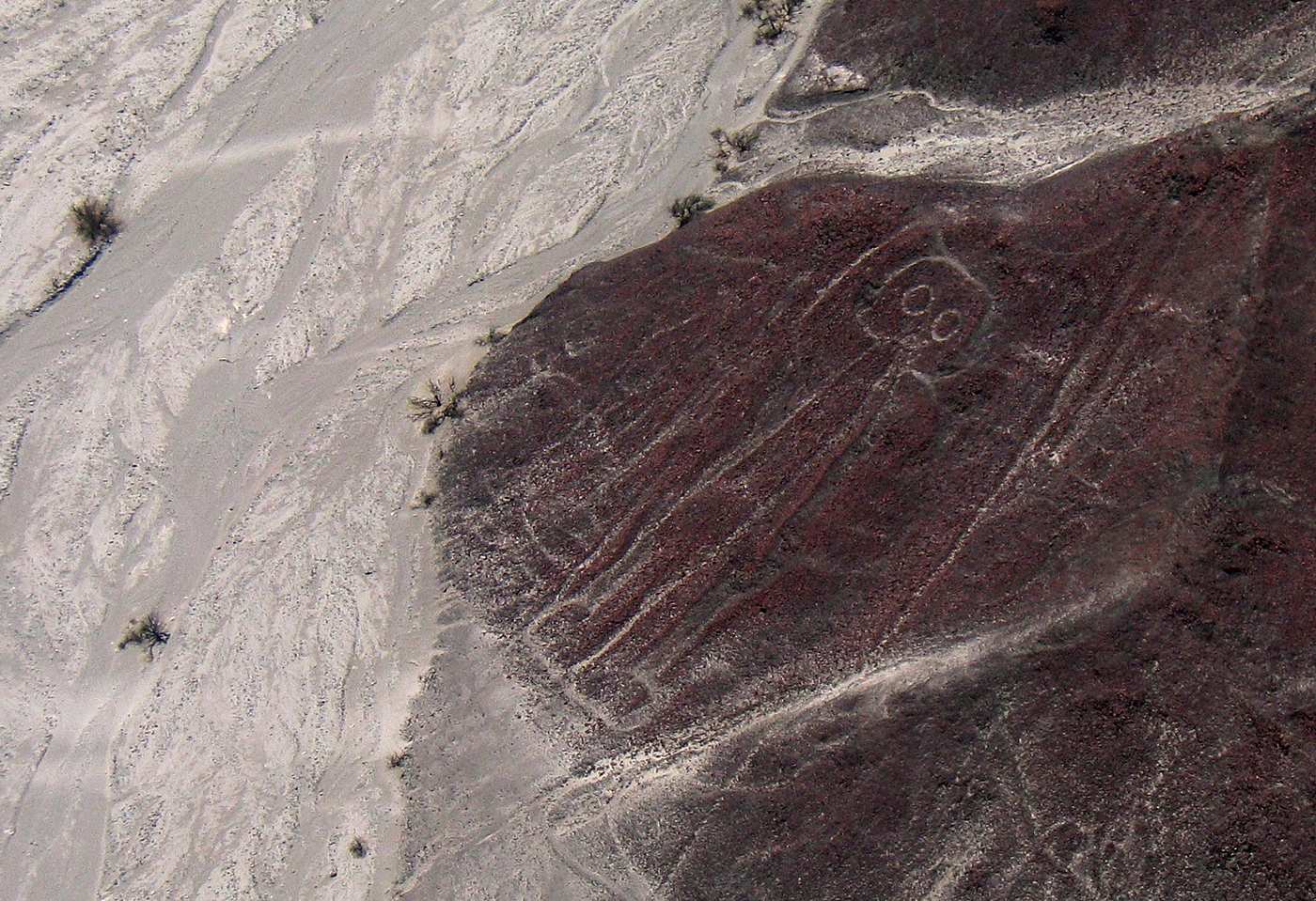
Similar ideas appeared earlier in Theosophy, whose writers described spiritual beings associated with the moon or Venus guiding early civilizations. Horror author H.P. Lovecraft later recast these themes as science fiction, describing aliens that arrived on prehistoric Earth, built monumental cities and influenced religion. French writers Jacques Bergier and Louis Pauwels then drew partly from Lovecraft and anomalous literature for The Morning of the Magicians, published in 1960.
Von Däniken expanded this approach by interpreting archaeological sites, religious texts and ancient art as evidence of advanced visitors. Later writers claimed that Ezekiel's biblical vision described a spacecraft, the Maya ruler Pacal was shown operating a machine and Egyptian reliefs depicted electric lighting. Zecharia Sitchin also argued that beings from a wandering planet called Nibiru came to Earth seeking precious metals.
Evidence and Context
The so-called Baghdad Battery also became part of ancient-technology arguments. Its copper cylinder and iron pin can produce a small voltage when placed in an electrolyte, but the sealed jar lacked wires and accessible terminals. Similar cylinders preserved papyrus remnants, supporting the interpretation that they held scrolls.
Archaeologists generally reject ancient-astronaut claims because monuments are surrounded by tools, materials and other evidence connecting them to their builders. Historians similarly caution that myths and religious images cannot automatically be read as technological records. Images resembling helmets or machines to modern viewers often fit established religious or funerary conventions when placed in their original context.
Some historians connect the genre to colonial-era claims that Indigenous societies could not have produced complex architecture. Early colonial researchers, for example, attributed Great Zimbabwe to outsiders rather than the Shona people. Ancient-astronaut interpretations can repeat this pattern by assigning achievements in Egypt, Mesoamerica, South America and the Pacific to extraterrestrials.
This differs from asking whether past extraterrestrial contact is theoretically possible. Astronomer Carl Sagan and astrophysicist Losif Shklovsky wrote in 1966 that possible visits could be considered and might be preserved in folklore if supporting evidence were found. That inquiry is distinct from treating mythology itself as proof of alien engineering.
Portents and Print
Premodern sky reports were usually interpreted through the religious and natural-philosophical language of their time. A 1554 Strasbourg broadsheet described a bloody ray crossing the sun followed by cavalry fighting in the sky. In 1561, a Nuremberg publication depicted globes battling for more than an hour, with some reportedly falling outside the city as an arrow-like form appeared overhead.

On Aug. 7, 1566, a leaflet produced by printer Samuel Apiarius and written by Samuel Coccius documented unusual celestial phenomena over Basel, Switzerland. It described dark spheres moving rapidly near the sun and appearing to fight. Although later UFO literature compared these shapes to unknown craft, readers from that time were more likely to interpret them as divine warnings.
Such reports were known as Wunderzeichen, or wonder-signs. More than 400 German broadsheets and tracts describing celestial anomalies and other portents appeared between 1550 and 1559. By around 1560, Reformation-era clerics were giving intense attention to these events and frequently presenting them as signs of approaching upheaval or the Last Judgment.
Auroras, solar halos, sun dogs, light pillars, meteors and comets offer possible natural foundations for some accounts. Printed broadsheets also helped transform local observations into widely circulated narratives. Artists combined the conventions of popular battle scenes and astronomical almanacs, depicting unusual celestial activity as armies or weapons in the heavens.
Mystery Airships
The airship wave of 1896-1897 was a more direct predecessor to modern UFO reporting. Beginning in California and spreading across the U.S., witnesses described unknown craft with engines, propellers and searchlights. Many believed secret inventors had developed heavier-than-air machines before such aircraft were publicly available.
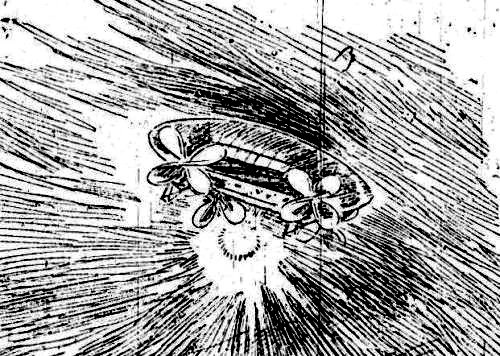
In November 1896, thousands reportedly saw mysterious objects over San Francisco, Oakland and Sacramento. One Oakland witness described a fast-moving, cigar-shaped body with a triangular tail. By February 1897, sightings had reached Nebraska, and by April they stretched from the Dakotas and Texas to Ohio and Tennessee.
Fort's Archive
Charles Fort's "The Book of the Damned," published in 1919, collected reports he believed conventional science had excluded. Drawing from newspapers and scientific journals, Fort cataloged rains of animals, unusual footprints, unexplained lights and other anomalies. His citations preserved these accounts even when their reliability remained uncertain.
Fort considered whether visitors from other worlds had contacted or attempted to colonize Earth, but did not present the idea as established fact. He also entertained spiritual, interdimensional, telepathic and imaginary explanations. After his death in 1932, "Fortean" became a term for collecting anomalies without necessarily accepting conventional conclusions.
UFO culture inherited Fort's practice of building alternative archives from overlooked clippings, obscure journals and disputed testimony. Admirers viewed it as a challenge to scientific exclusion, while skeptical assessments note that preserving a claim does not establish its accuracy.
Wartime Lights
In late 1944, U.S. night-fighter pilots based in France reported bright lights following aircraft over Germany and called them "foo fighters." One account from the 415th Night Fighter Squadron described orange lights near the Rhine that appeared on neither airborne radar nor ground control. Scientists considered optical illusions and afterimages from anti-aircraft fire among the explanations.
During the final months of World War II, B-29 crews over Japan also reported balls of fire that followed aircraft, changed from orange to red to white and did not attack. The sightings generated speculation about secret enemy weapons, but no solid evidence of such technology emerged after the war. Whatever their cause, these reports placed anomalous aerial encounters inside military aviation before the flying-saucer era began in 1947.


The Spin
Pro-establishment narrative
Ancient-astronaut claims collapse under historical scrutiny. Archaeology documents gradual development in pyramid building, metallurgy, agriculture and engineering, with no alien tools or materials. Supposed proof from Ezekiel and the Mahabharata depends on literal readings, mistranslations and passages stripped of context. Unresolved details remain, but gaps in knowledge are not evidence of visitation and do not outweigh human ingenuity.
Establishment-critical narrative
Academia can't settle ancient anomalies it barely studies. Historians neglected the subject for decades, while scholars who approach it risk ridicule or warnings about "going native." Historical accounts reported that non-humans helped build churches in Ethiopia, while the aligned caves in Ajanta, India are cited as evidence of advanced outside assistance. These claims may prove prosaic, but dismissing sacred accounts and engineering anomalies is simply shutting down debate, not evidence.

Cynical narrative
Ancient encounters have become less historical inquiry than a profitable entertainment franchise. Von Däniken sold millions of books and lectures, while Ancient Aliens turned speculation into years of episodes, conventions drawing thousands of paying fans, celebrity appearances and merchandise. The formula rewards endless questions and no answers, with every myth, carving or heavy stone turned into fresh content, ensuring the mystery never runs out.

Narrative D
Debunking the obviously false accounts should not close the case. Across cultures and centuries, people have described aerial phenomena and non-human beings descending from the skies, patterns deserving careful study alongside archaeology. Even if most are myth or misunderstood nature, the abundance of records warrants humble inquiry into unknown physical events, extraterrestrial intelligence or religious beings.


Progressive narrative
The idea that non-European ancient monuments were built by aliens is Eurocentric and deeply racist. Indeed, the notion that only Europeans could have been capable of building incredible monuments thousands of years ago erases the impressive technological achievements of ancient Indigenous peoples. This narrative is not only harmful — it's incredibly anachronistic.
Roswell Incident
A brief military announcement about debris recovered in Roswell, New Mexico — followed almost immediately by a retraction — transformed Roswell into the defining story of alleged UFO secrecy.
On July 8, 1947, the Roswell Daily Record reported that Roswell Army Air Field (RAAF) had captured a "flying disc" on a ranch near Roswell, repeating the airfield's press release. The debris was flown to Fort Worth, Texas, where 8th Air Force Commander Brigadier General Roger Ramey identified it as material from a weather balloon. Photographs showed Air Force Major Jesse Marcel, Ramey and other officers with foil, rubber and a damaged radar reflector.
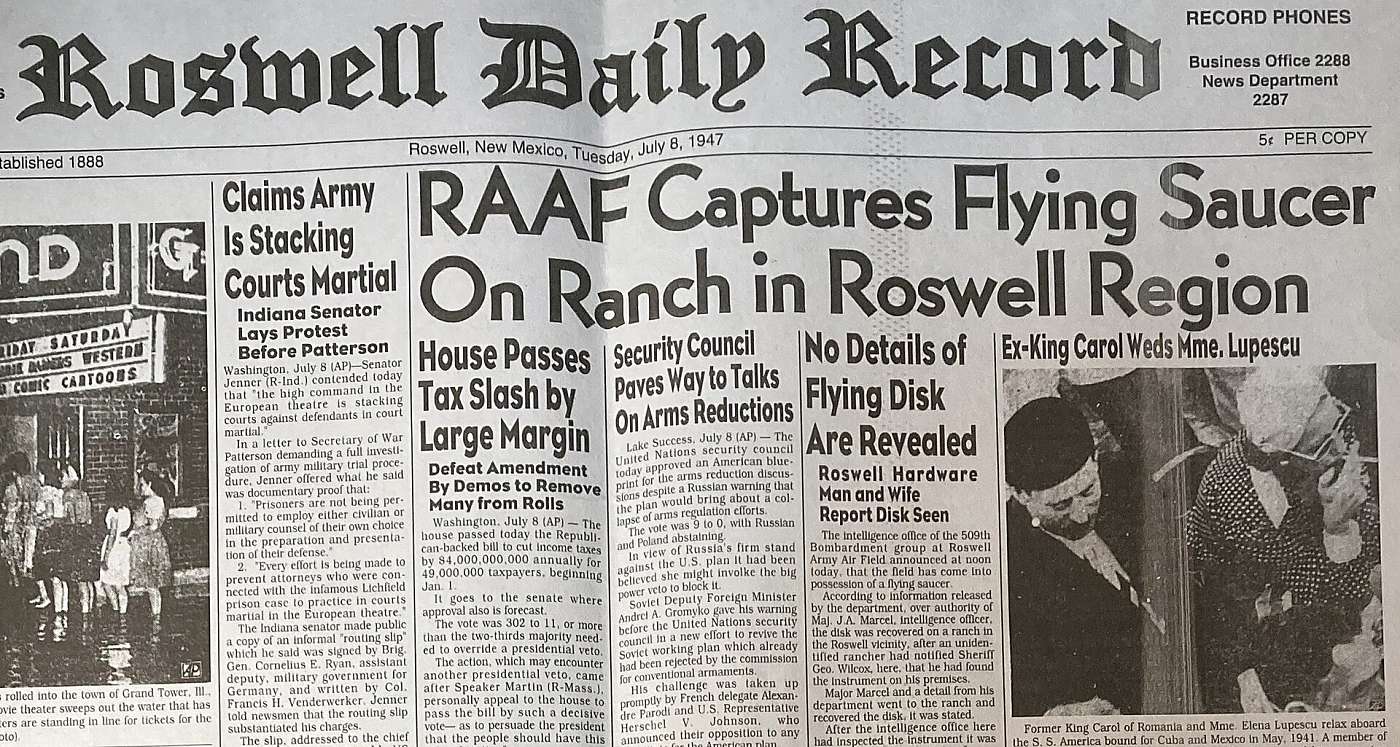
The U.S. Army Air Forces (USAAF) quickly withdrew the flying-disc account and adopted Ramey's explanation. This reversal became central to the controversy because the first official statement appeared sensational while the replacement was mundane and abrupt. Later accounts disputed whether the material photographed in Fort Worth was the debris recovered from the ranch.
Desert Debris
The incident began with debris found by rancher W.W. "Mac" Brazel in June 1947 on ranchland roughly 80 miles northwest of Roswell. Contemporary descriptions identified rubber strips, tinfoil, tough paper, sticks and tape, while later accounts characterized some materials as exceptionally light and strong. Brazel eventually contacted local authorities, bringing the discovery to RAAF and its 509th Bomb Group.
Major Marcel, the group's intelligence officer, accompanied Brazel to the ranch and helped recover the material. RAAF Commander Colonel William Blanchard then authorized Public Information Officer Lieutenant Walter Haut to announce the discovery. The role of the 509th, the world's only atomic-bomb unit at the time, later added to perceptions that the material had unusual military significance.
Project Mogul and the Records Search
In 1994, the U.S. Air Force (USAF) connected the debris to Project Mogul, a classified surveillance program intended to detect distant Soviet nuclear tests. The project used high-altitude balloon trains carrying acoustic sensors and unusual radar reflectors made from foil, sticks and tape. Although the debris itself no longer existed, the USAF said contemporary descriptions, photographs and flight records were consistent with Mogul equipment.
Project Mogul had been proposed by Doctor Maurice Ewing, a geophysicist who believed sound channels in the upper atmosphere might carry signals from distant nuclear explosions. The program received top-secret status in 1946 as the U.S. sought to determine when the Soviet Union had developed an atomic bomb. The original weather-balloon explanation was therefore broadly accurate about the equipment but concealed its military surveillance purpose.
In February 1994, the General Accounting Office (GAO) began an audit at the request of then-Rep. Steven Schiff (R-NM) to locate government records and determine whether they had been handled properly. Its July 1995 report found no military air-accident report concerning Roswell but noted that no 1947 rule required one for a weather-balloon crash. The GAO also reported that some administrative records from RAAF had been destroyed without documentation explaining who authorized their disposal.
Bodies and Dummies
On June 24, 1997, the USAF released "The Roswell Report: Case Closed," which addressed later stories involving alien bodies and a second crash site. It found no evidence of an extraterrestrial craft, bodies or a government cover-up. Instead, the report connected many descriptions to later parachute-test dummies, balloon recoveries, aircraft accidents and other military operations in New Mexico.
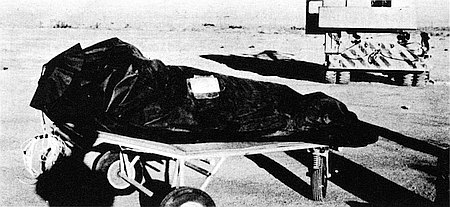
Between 1954 and 1959, 67 anthropomorphic dummies were carried over New Mexico on 43 high-altitude balloon flights. Recovery crews used military vehicles, aircraft, stretchers and containers resembling caskets, while damaged dummies sometimes had missing fingers or injured-looking heads. The USAF argued that witnesses had combined memories of these later events with the 1947 debris recovery.
The chronology remained a point of dispute because the dummy drops began years after the Roswell incident. The USAF attributed that gap to witnesses compressing separate events over time, while investigators challenging the report argued that the explanation did not fit testimony specifically dated to 1947. The 1990s reports therefore provided the government's most detailed account without closing the case culturally.
Revival and Myth
Roswell attracted limited attention for decades before The Roswell Incident, a 1980 book by Charles Berlitz and William L. Moore, revived the story. Drawing partly from interviews conducted in 1979, the authors argued that the military recovered extraterrestrial material and alien bodies then suppressed the evidence. Their account helped establish the major elements that appeared in later books, television programs and alleged witness disclosures.
Research from the University of New Mexico describes Roswell as a myth constructed in phases, beginning with the 1947 announcement, reviving in the 1980s and spreading through 1990s pop culture. The town became a tourism center with museums, festivals and a saucer-shaped McDonald's, while reports ahead of the 1997 anniversary projected roughly 100,000 visitors.
Roswell endured because it combined a real classified program, an inaccurate official explanation, disputed memories and later claims of recovered bodies into a durable symbol of government secrecy.
Cold War Sightings
From Kenneth Arnold's 1947 sighting through military radar incidents and civilian abduction reports, UFOs became entwined with Cold War fears about surveillance, weapons and national defense.
On June 24, 1947, civilian pilot Kenneth Arnold reported nine glittering objects moving near Mount Rainier, Wash., at an estimated 1,200 mph. He described their motion as resembling saucers skipping across water, prompting newspapers to popularize the term "flying saucer." Later reports often described discs rather than the thinner, tailless objects Arnold recalled.
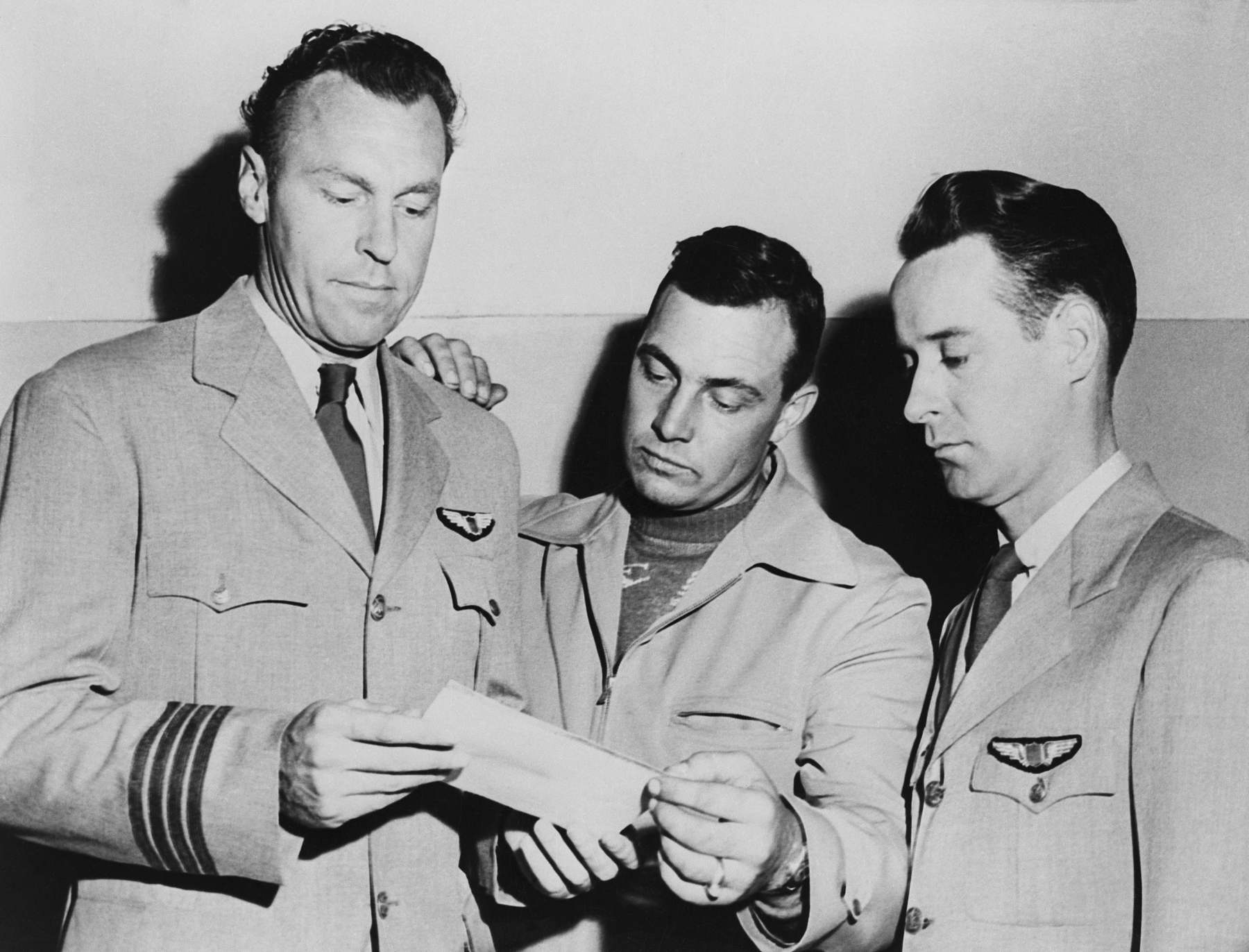
U.S. Army Air Forces intelligence officers, Lieutenant Frank Brown and Captain William Davidson, interviewed Arnold and considered him an honest witness. Investigators found no known U.S. aircraft or evidence that the Soviet Union had adapted captured Nazi designs into such a craft. The uncertainty helped move UFOs from newspaper curiosities into military intelligence.
Official Investigations
The USAF began formal investigations in 1948 with Project Sign, followed by Project Grudge and Project Blue Book. Officials initially examined whether reports involved advanced foreign aircraft, misidentified objects or other potential threats. A 1949 recommendation to end Grudge also called for reviewing the phenomenon's possible use in psychological warfare.
Blue Book operated from Wright-Patterson Air Force Base in Ohio and received 12,618 reports, 701 of which the USAF classified as unidentified. Explanations included aircraft, balloons, astronomical objects and anomalous radar returns. The USAF concluded that no investigated report demonstrated a national security threat, extraterrestrial vehicle or technology beyond known science.
Washington Alarm
The 1952 Washington, D.C., incidents brought UFO reports directly into Cold War air-defense concerns. On July 20, Washington National Airport controllers tracked unidentified radar targets near restricted airspace while pilots, including Captain S.C. Pierman, reported unusual lights. Fighters were ordered to investigate activity around the White House and Pentagon.
The incidents occurred during a major surge in reports: Blue Book received more than 440 in July 1952 and 866 from June through October. The Air Defense Command placed radar cameras on continuous alert to document unusual tracks. Officials later emphasized weather, radar propagation and limited data, but the episode forced a nationally televised Pentagon response during the Korean War and nuclear arms race.
Betty and Barney Hill
Betty and Barney Hill shifted UFO culture from distant aerial sightings toward claims of direct contact and abduction. Late on Sept. 19, 1961, the Hills reported seeing a light or craft while driving through New Hampshire. Their later recollections became the first widely known U.S. alien-abduction narrative.
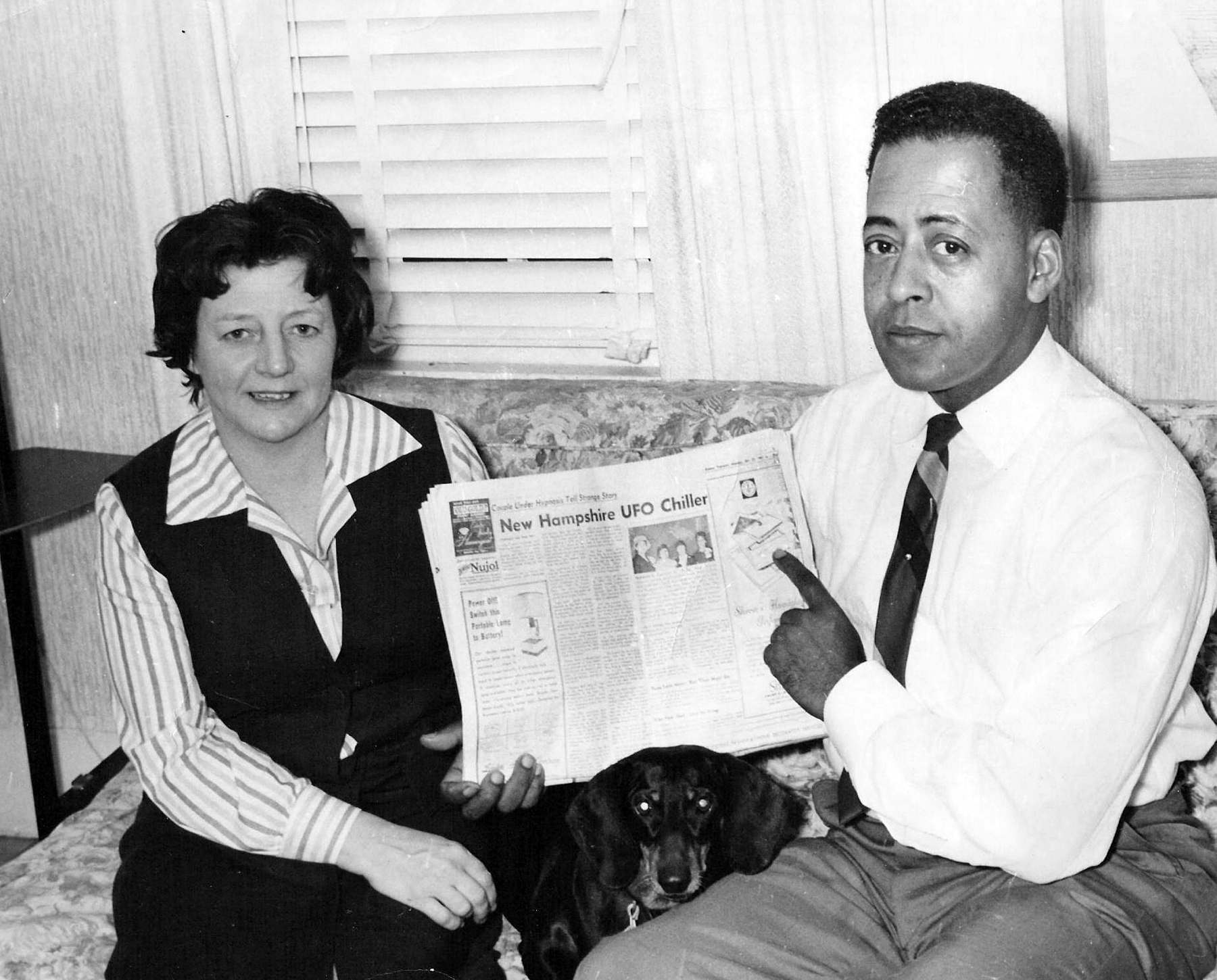
The Hills were an interracial couple active in civil rights politics, giving their experience a broader social setting. Their account expanded through hypnosis, books and media adaptations, though the reliability of hypnotically recovered memories remains disputed. The story became a template for later reports and helped shape popular images of nonhuman occupants.
The Condon Report and Closure
The USAF funded the University of Colorado UFO Project from 1966 to 1968 under physicist Edward U. Condon. Its final report concluded that 21 years of study had contributed little to scientific knowledge and that further extensive investigation was unlikely to advance science. The project's methods and conclusions remained contested among UFO researchers.
On Dec. 17, 1969, Secretary of the Air Force Robert C. Seamans Jr. announced Blue Book's termination, saying continued investigation was unwarranted for either science or national security. Officially, the decision closed more than two decades of dedicated USAF inquiry. It also moved organized UFO research toward civilian groups and independent investigators.
Rendlesham and the Late Cold War
However, military UFO reports did continue after Blue Book. In December 1980, U.S. airmen stationed in the U.K. reported unusual lights in Rendlesham Forest near Royal Air Force (RAF) Woodbridge and RAF Bentwaters. Lieutenant Colonel Charles Halt later documented a glowing object and lights observed by security personnel.
U.K. National Archives records preserve Ministry of Defence (MOD) files, witness statements and correspondence about the incident. Skeptical investigator Ian Ridpath attributed elements of the sightings to astronomical objects, lighthouse flashes and witness interpretation. Others cite the military witnesses and documentation as reasons Rendlesham remains one of the late Cold War's most prominent UFO cases.
Area 51 Secrecy
Area 51's documented history involves secret reconnaissance aircraft, stealth development and foreign weapons testing, while decades of official concealment helped transform the Nevada base into a center of UFO mythology.
"Area 51" came from the numbered block assigned to Groom Lake on Nevada Test Site maps. The facility was also called Paradise Ranch, the Ranch and Watertown Strip. CIA official Richard Bissell, Air Force Colonel Osmund Ritland, Lockheed designer Kelly Johnson and test pilot Tony LeVier selected the remote dry lakebed in April 1955 as a secure location for developing the U-2 reconnaissance aircraft.
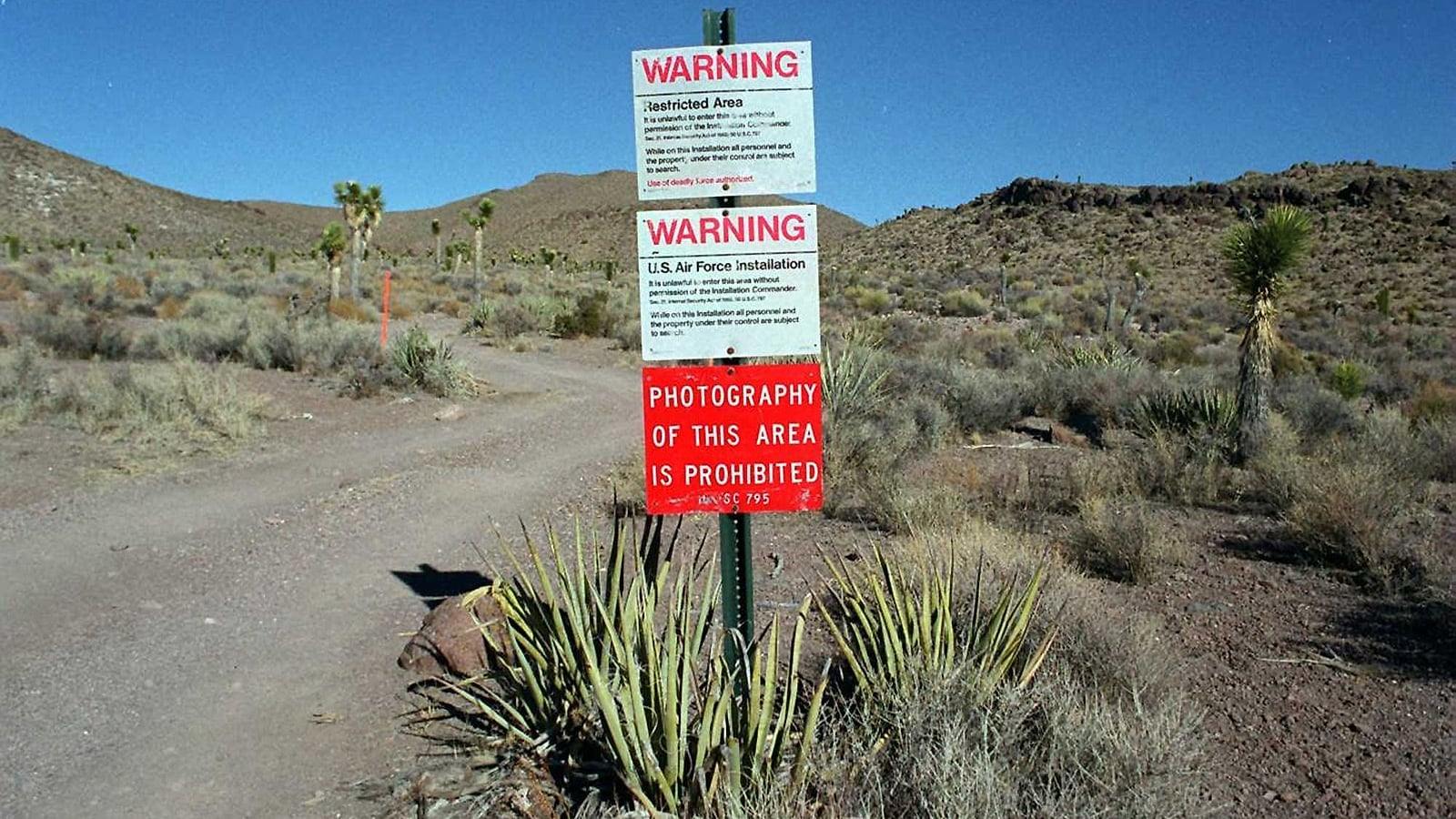
The base was operational by July 1955, and on Aug. 1, LeVier accidentally lifted the first U-2 off the lakebed during a high-speed taxi test, producing its unofficial first flight. Restricted land, surrounding mountains and distance from ordinary airfields made Groom Lake well suited for a program whose effectiveness depended on keeping the aircraft and its surveillance capabilities hidden.
Oxcart, Stealth and Soviet Aircraft
The CIA selected Lockheed's A-12 design as the U-2's successor in 1959 and ordered 12 aircraft in January 1960. Area 51 gained a radar-testing facility that November to measure whether an Oxcart mock-up could be detected. The A-12 was designed to exceed Mach 3, fly higher than the U-2 and reduce its vulnerability to Soviet air defenses.
Groom Lake later supported the YF-12A, SR-71-related work, D-21 drone, Have Blue stealth demonstrators and early F-117 development. It also hosted secretly acquired Soviet MiG-21 and MiG-17 fighters under Have Doughnut, Have Drill and Have Ferry. These unfamiliar aircraft created genuine sightings that officials could not explain publicly without exposing intelligence programs.
Concealment and Official Recognition
Officials closely studied whether Area 51 could be observed from the air or space. A 1962 CIA memo proposed photographing the facility with a U-2 or Corona satellite to estimate what Soviet reconnaissance might reveal. When Skylab astronauts inadvertently photographed the site in 1974, agencies debated suppressing the image despite instructions that crews were not to photograph the facility.
Declassified records used the name "Area 51" long before public acknowledgment, including a 1963 CIA memorandum and a 1967 record concerning A-12 wreckage returned under helicopter escort. The CIA's 2013 release of its U-2 history made the name and location broadly official, but the documents described aircraft development, surveillance and security, not alien craft, extraterrestrial bodies or staged moon landings.
Bob Lazar and S4 Claims
Area 51's public identity changed in 1989 when Bob Lazar claimed that he had worked at a nearby installation called S4. Lazar said he encountered nine non-human craft and helped study a propulsion system that generated a gravitational field. His television appearances linked a real classified test site to a detailed narrative about recovered spacecraft and reverse engineering.
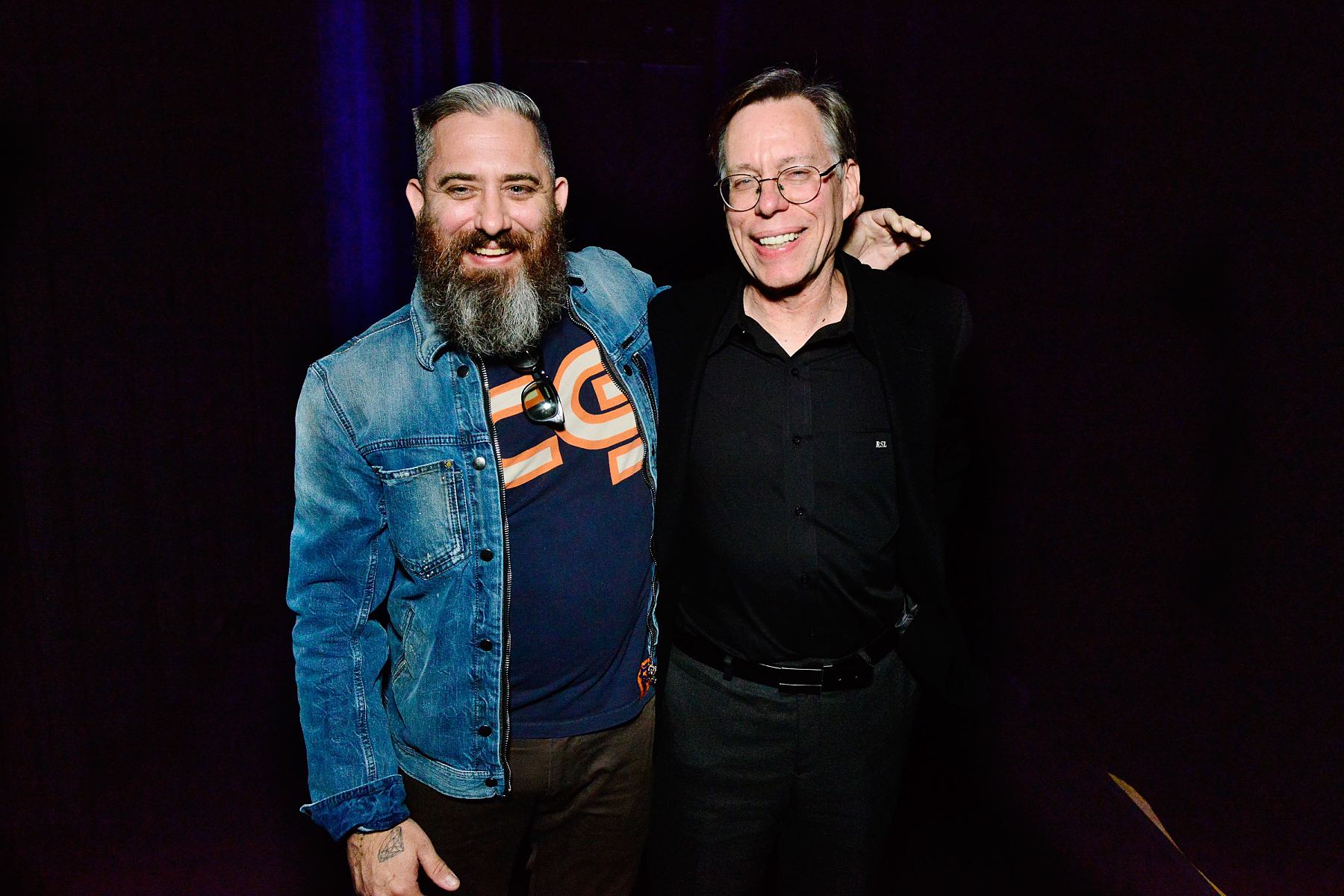
Skeptics dispute Lazar's employment history and say searches have not verified his claimed degrees from MIT and Caltech. Lazar has maintained that records were erased to discredit him. Whatever the truth of his account, it gave Area 51 a specific alien mythology that spread through television, radio, documentaries and later the internet.
Tourism, Classification and Distrust
By the mid-1990s, UFO seekers were traveling to Rachel, Nev., and the nearby highway was renamed the Extraterrestrial Highway. Area 51 became a symbol of government secrecy, attracting tourists and theorists even as declassified records showed that much of its concealed work involved U.S. aircraft, Soviet fighters, foreign radar systems and stealth technology.
Secrecy also obstructed non-UFO accountability. Workers alleged that smoke from open-air burn pits caused severe illnesses and deaths, but records identifying the base and its procedures were retroactively classified. Presidents Bill Clinton and George W. Bush exempted the Groom Lake location from disclosures tied to hazardous-waste laws. The dispute showed how legitimate national-security secrecy could shield unrelated misconduct and deepen distrust extending far beyond alien claims.
1990s and 2000s Resurgence
Late-night radio, cable television and the early internet moved UFO accounts into a larger marketplace of paranormal entertainment, personal testimony and institutional distrust.
The 1990s and 2000s connected UFO narratives to late-night radio, cable television and online forums. By 1998, Art Bell's Coast to Coast AM aired on 390 stations and reportedly reached nearly nine million weekly listeners. Bell discussed UFOs alongside psychic phenomena, prophecy and out-of-body experiences.
Bell did not screen calls or ridicule people describing unusual experiences, instead giving them time to tell their stories and answer questions. This approach created a communal forum for listeners whose accounts received little consideration elsewhere. George Noory continued the format, helping carry older UFO subcultures into the podcast era.
Abduction Narratives and Online Forums
By the 1980s, thousands of Americans reportedly suspected they had been abducted by aliens. Harvard Medical School psychiatrist Dr. John E. Mack began examining experiencers in 1990, eventually treating about 90 people. His 1994 bestseller "Abduction" presented 13 cases and emphasized the consistency of accounts from people he did not consider delusional.
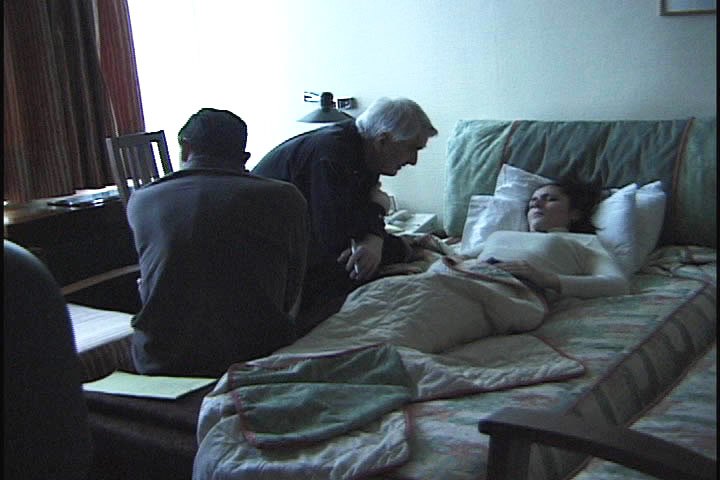
Harvard opened a 14-month review of Mack's methods in 1994, ultimately affirming his academic freedom while recording concerns about his research. Hypnotic regression drew criticism because suggestion can influence memory, while sleep paralysis offered a possible explanation for some experiences. Online forums allowed experiencers, investigators and skeptics to compare accounts, debate alternatives and identify recurring details.
Phoenix Lights and Mass Witnessing
On March 13, 1997, people across Arizona reported a massive V-shaped object or unusual lights moving south from near the Nevada border. Witnesses described a silent formation, with some perceiving a solid craft blocking the stars. Photographs and videos later captured a separate line of lights southwest of Phoenix.
Investigators linked the later lights to illumination flares released by Maryland Air National Guard A-10 aircraft over the Barry M. Goldwater Range. Video showed those lights disappearing behind the Sierra Estrella Mountains, supporting the flare explanation. That evidence did not directly resolve the earlier formation, which some observers interpreted as aircraft and others described as one enormous object.
Then-Arizona Governor Fife Symington initially tried to ease public concern through a news conference featuring an aide in an alien costume. In 2007, however, Symington said he had personally seen a massive delta-shaped craft and that his office's inquiries went unanswered. Drawing on his experience as a pilot and former U.S. Air Force officer, he maintained that what he witnessed was separate from the flares.
Ancient Aliens and Pseudo-Archaeology on Television
The History Channel's "Ancient Aliens" brought ancient-astronaut claims to a large cable audience by asking whether extraterrestrials influenced early civilizations. The program treats recurring myths, unusual artifacts and apparently technological imagery as questions deserving further examination. Its open-ended approach helped sustain interest in UFOs beyond contemporary sightings.
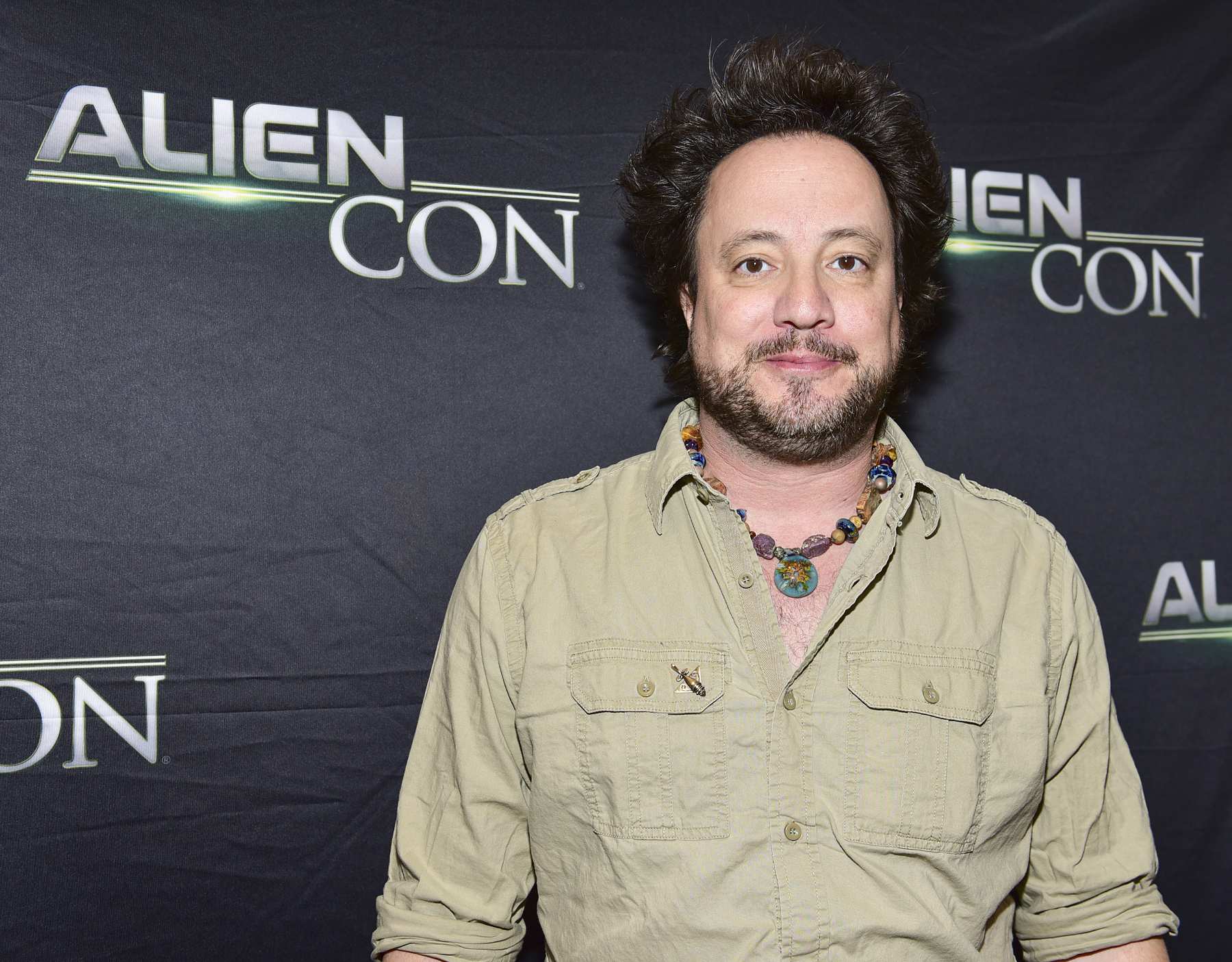
Archaeologists criticize the program and similar shows for disregarding chronology, misrepresenting artifacts and substituting visual resemblance for archaeological method. Some also argue that attributing non-European achievements to outsiders can reproduce colonial assumptions. Archaeologist Ken Feder said one documentary delayed his rejection of Atlantis until near the end, illustrating how editing can distort expert participation.
From Fringe Storytelling to Generalized Distrust
This period represented a convergence rather than a clean chronological break. In 1999, investigative journalist Leslie Kean received a French report containing UFO cases involving military and commercial pilots. Its authors reportedly considered extraterrestrial visitation a plausible hypothesis rather than a proven conclusion, leading Kean to pursue serious coverage despite the subject's stigma.
On Nov. 7, 2006, pilots, mechanics and United Airlines employees reported a dark, disc-shaped object hovering above Gate C-17 at Chicago O'Hare International Airport. Witnesses said it accelerated upward and opened a hole in the cloud layer. The Federal Aviation Administration (FAA) attributed the event to weather but did not conduct the type of public investigation sought by those reporting it.
The Chicago Tribune investigation received 1.6 million page views by 2010, becoming the website's most-viewed story at the time. The response showed that mainstream interest remained strong when reports involved aviation professionals and possible air-safety concerns. For UFO investigators, cases like O'Hare demonstrated the need for systematic reporting without presuming an extraterrestrial answer.
UFOs in Pop Culture
From Cold War saucer films to "Disclosure Day," popular entertainment has not merely reflected UFO beliefs, but supplied the language, images and expectations through which audiences interpret them.
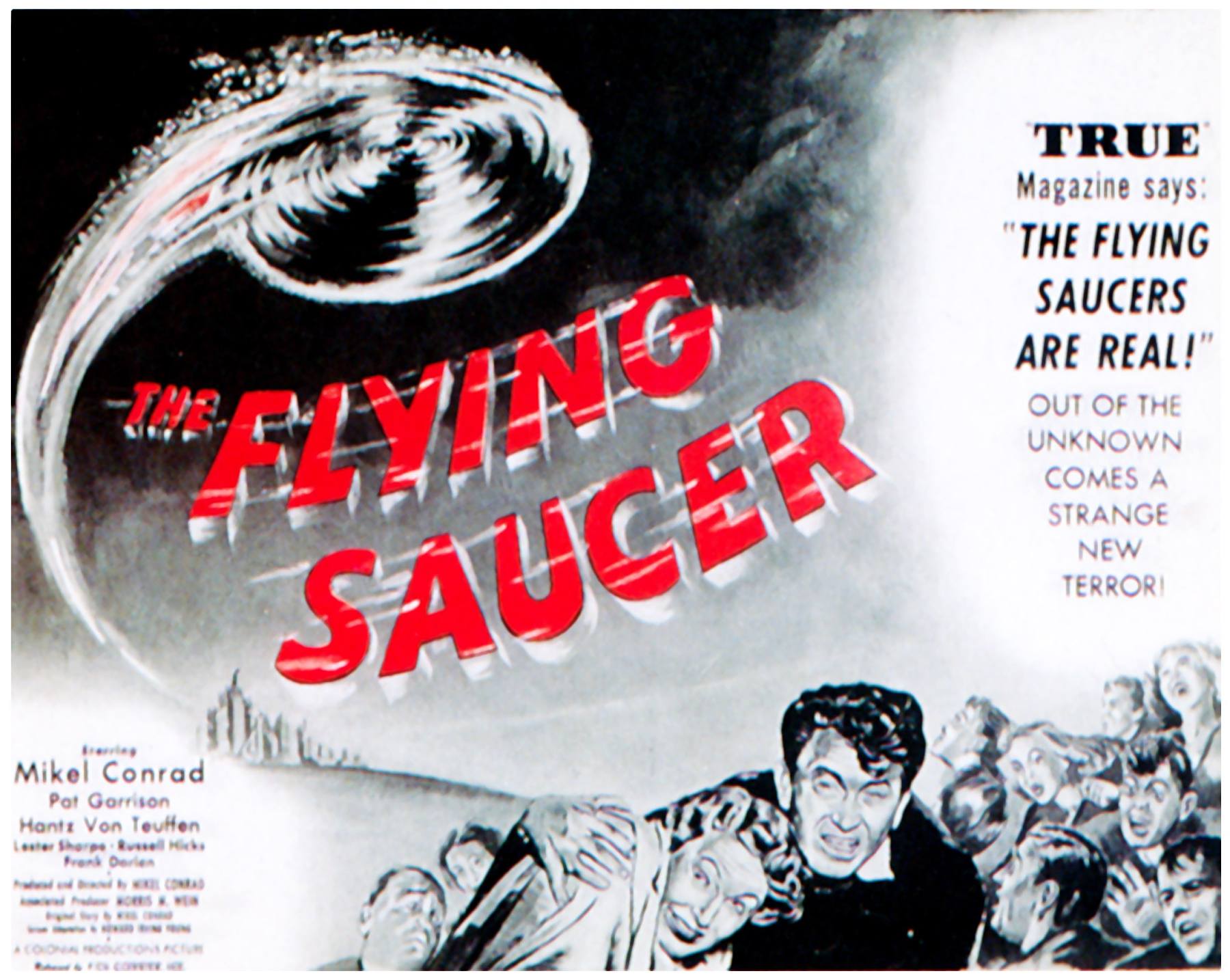
UFO pop culture emerged almost immediately after the flying-saucer era began. "The Flying Saucer," released in 1950, was written, directed, produced by and starred Mikel Conrad. It marketed itself by asking whether flying saucers were real, showing an early overlap between fiction, promotion and purported evidence.
In 1953, the CIA-backed Robertson Panel recommended using articles, television and motion pictures to reduce UFO-related mystery and public anxiety. One panel member later said he helped organize a 1966 CBS special around its debunking conclusions. The CIA also later acknowledged that secret U-2 and OXCART flights generated many reports officials attributed publicly to natural phenomena.
Spielberg Films
Director Steven Spielberg's "Close Encounters of the Third Kind" changed the emotional register of UFO cinema in 1977 by portraying contact through wonder, communication and transcendence. Its title came from astronomer J. Allen Hynek's classification system, while a scientist character drew from researcher Jacques Vallée. "E.T. the Extra-Terrestrial" made the alien a gentle companion and remained in the theatrical top 10 for 44 weekends.
Spielberg's extraterrestrial films have nevertheless varied with their eras. "War of the Worlds" presented destructive invaders in a post-9/11 setting, while "Disclosure Day," released June 12, 2026, returned to secrecy, contact and contested truth. Inspired by the 2017 reporting on a Pentagon UFO program and videos, the film follows people seeking disclosure while others try to prevent it.
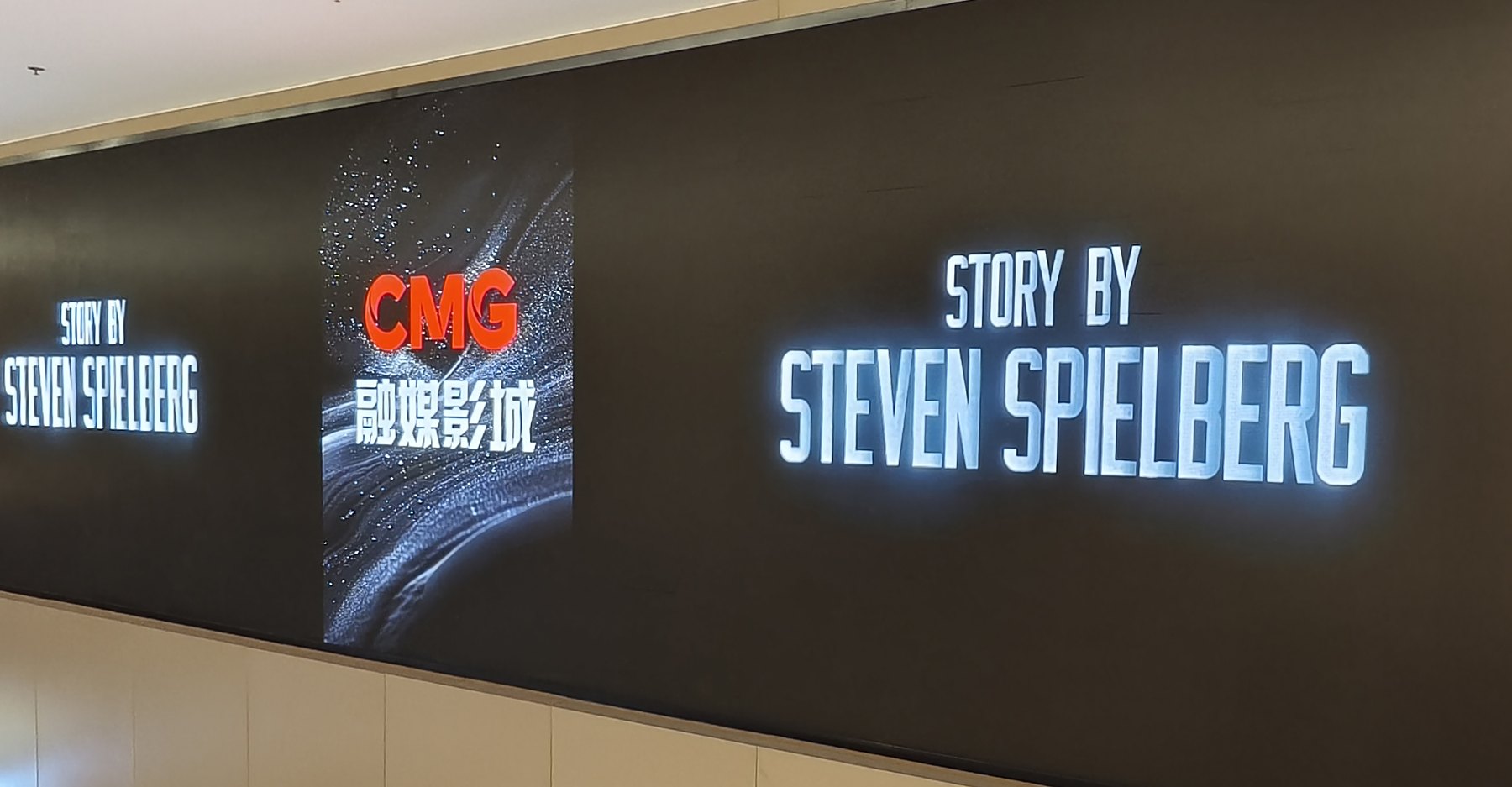
"Disclosure Day" incorporates ideas familiar within contemporary UFO circles, including experiencers, missing time, psychic impressions and alleged crash-retrieval programs. It references Roswell and the reported 1965 Kecksburg crash without establishing the claims as fact. Its central dispute asks whether revealing possible nonhuman contact would produce chaos or whether the public could absorb the truth.
Television, Hoaxes and the Search for Evidence
The "X-Files" placed FBI agents Fox Mulder and Dana Scully inside an evolving government-alien conspiracy. The phrase "I want to believe" captured the series' balance between openness and skepticism. Political scientist Jodi Dean argues that the show both used and intensified public interest in aliens, physical evidence and inaccessible truth.
The 1995 alien-autopsy film similarly blurred entertainment, news and alleged leaked evidence. Pathologists, special-effects experts and many UFO investigators quickly questioned its methods and materials. Sculptor John Humphreys said in 2006 that he created the latex body and played the pathologist, while producer Ray Santilli maintained that the film recreated genuine footage that had deteriorated.
Blockbusters, Data and Reported Sightings
Science-fiction blockbusters also appear to have influenced reporting behavior. Researcher David Clarke's U.K. data showed sighting peaks in 1996 alongside the film "Independence Day" and in 1997 alongside "Men in Black." These correlations do not establish that films caused individual reports, but they show how public attention and familiar imagery can affect when sightings are noticed or described.
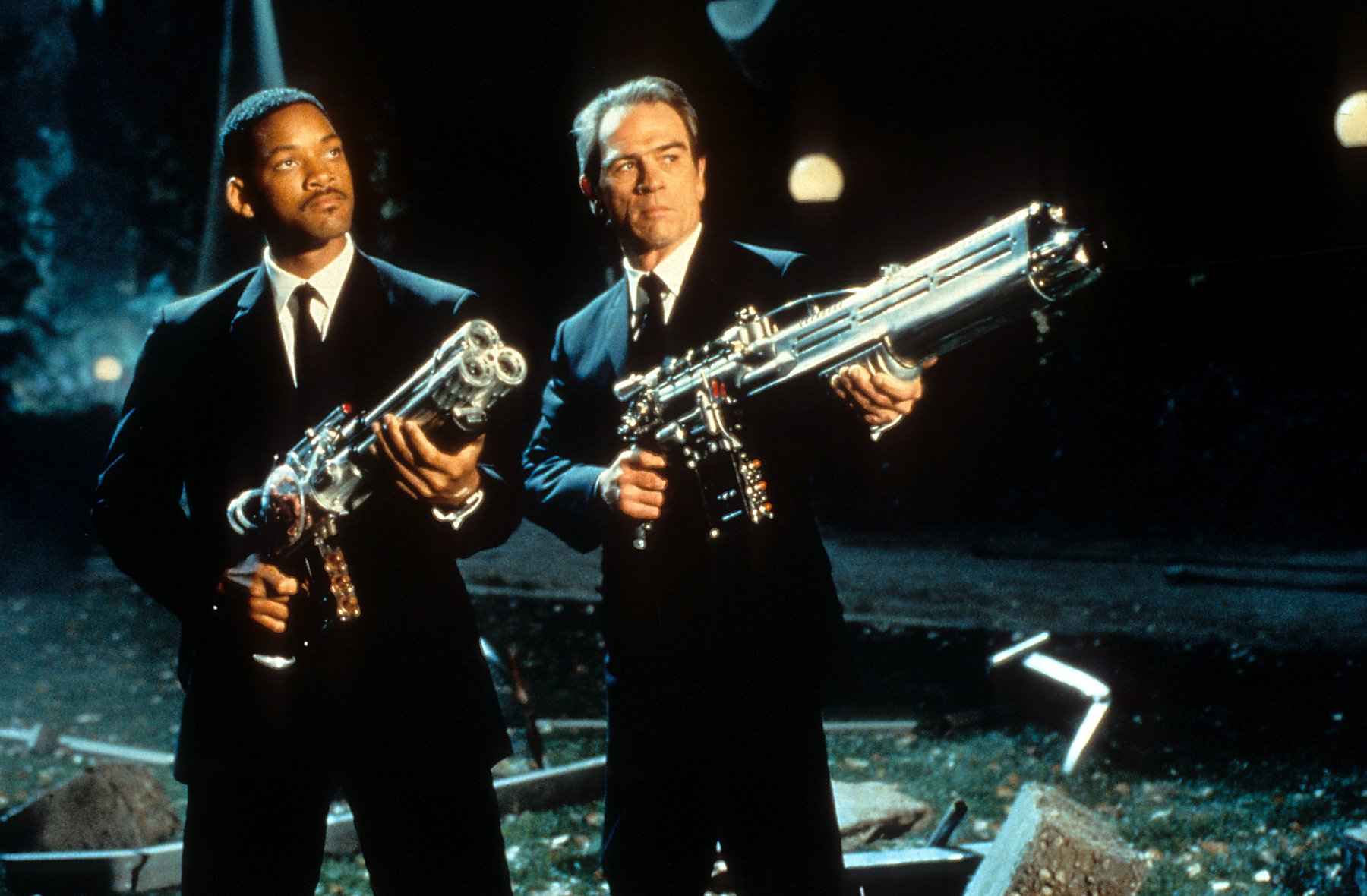
The British Ministry of Defence (MOD) operated a UFO desk from 1962 to 2009 and received approximately 11,000 reports. Its files include drawings and letters illustrating how descriptions changed alongside popular imagery. Films and television supplied recognizable templates, while real reports provided new material for entertainment.
The UAP Era
The 2021 U.S. intelligence report and renewed congressional attention returned UFOs, now often called unidentified anomalous phenomena (UAP), to documentaries, streaming series and mainstream reporting. Creators associated with "The X-Files" and "Men in Black" described the moment as strange but culturally familiar because entertainment had prepared audiences to imagine official secrecy. Navy videos and 2017 reporting also gave filmmakers authenticated government material rather than purely fictional imagery.
"Disclosure Day" brought these developments back into Spielberg's fictional world. Its title invokes the disclosure movement, whose participants seek the release of alleged government information about nonhuman intelligence and recovered technology. The film mirrors internal arguments attributed to that debate while remaining a work of fiction rather than evidence for its claims.
The modern field now blends fiction, documentary, alleged leaks, merchandising, fan conventions and video-game aesthetics. These forms both encourage serious interest in unresolved events and blur the boundary between records, testimony and dramatization.
Podcast Era and Whistleblowers
Podcasts and alternative media turned military witnesses and former officials into public figures, allowing disputed UFO claims to circulate beyond traditional news while building pressure for official responses.
Before 2017, late-night radio and alternative internet media provided the main forums for extended UFO testimony. Broadcaster George Knapp discussed the Nimitz encounter before The New York Times, while archived interviews, YouTube and independent documentaries carried older claims into the podcast era. These platforms preserved accounts that mainstream outlets rarely examined.
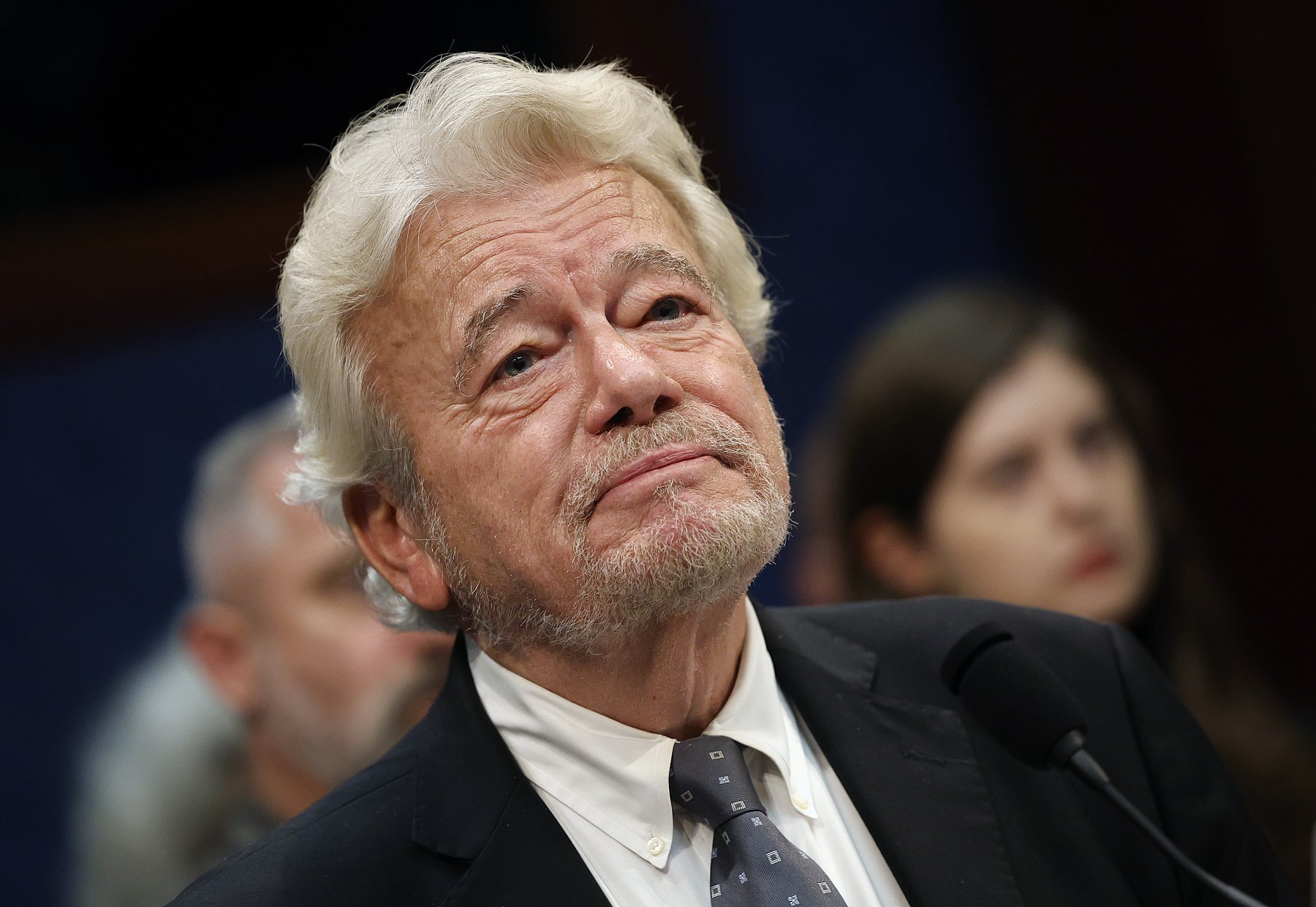
Blink-182 guitarist Tom DeLonge also discussed UFOs for years, displaying a collection of recorded witness interviews by the early 2000s. He later developed the "Sekret Machines" book franchise and founded To The Stars Academy of Arts & Science (TTSA). This mixture of testimony, entertainment and entrepreneurship anticipated the media model that followed.
The 2017 AATIP Breakthrough
The current UAP media cycle began in December 2017 when The New York Times reported that the Pentagon had funded the Advanced Aerospace Threat Identification Program (AATIP). The effort was described as costing $22 million and beginning at the urging of former Senator Harry Reid (D-Nev.). The U.S. Defense (War) Department said funding ended in 2012, while participants said related work continued.
Luis Elizondo was identified as the official who directed AATIP before leaving the DOD in 2017. The reporting combined documents, military testimony and videos, making UFOs a mainstream national security subject rather than only an alternative-media interest. It also gave podcasts a foundation of acknowledged government activity from which to pursue broader claims.
The Tic Tac Videos and Navy Witnesses
The reporting brought the Nov. 14, 2004, USS Nimitz encounter into national discussion. Navy aircraft were redirected off Southern California after radar operators reportedly tracked objects descending from near 80,000 feet toward the sea. Commander David Fravor described seeing a white Tic Tac-shaped object maneuvering above disturbed water before rapidly departing.
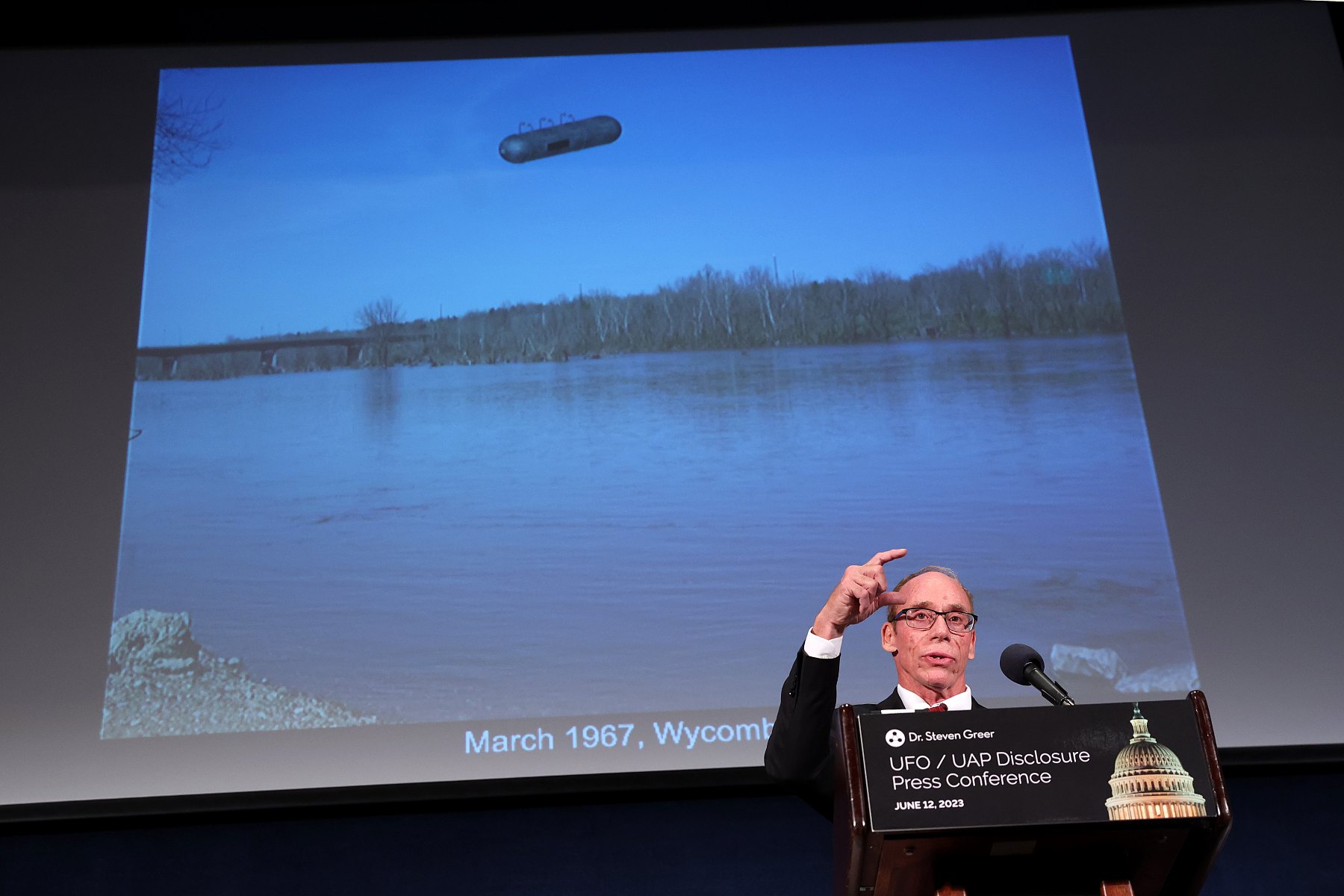
In October 2019, Fravor gave a lengthy account on "The Joe Rogan Experience" podcast, where he emphasized performance and propulsion rather than claiming extraterrestrial origin, and the episode has now received roughly nine million views on YouTube. Fravor said publicity prompted other people to contact him with their own experiences, demonstrating how one podcast appearance could generate additional testimony.
Elizondo, Videos and To The Stars Academy
Elizondo submitted paperwork seeking permission to share three fighter-jet videos, though their precise release history remained disputed. TTSA published the clips in 2017 and 2018 after unauthorized versions had already circulated. DeLonge's organization paired them with a team drawn from military, intelligence and aerospace backgrounds.
On April 27, 2020, the DOD officially released the 2004 FLIR video and two recordings from 2015. It said the footage was genuine, disclosed no sensitive capabilities and continued to depict phenomena classified as unidentified. The confirmation did not establish extraordinary technology, but it removed doubts about whether the videos themselves were authentic military recordings.
Podcasts as Parallel Testimony Forums
After 2017, former officials and military witnesses moved through television, documentaries and an expanding podcast circuit. Elizondo appeared on CBS's "60 Minutes," the History Channel's "Unidentified" and numerous long-form programs. Fravor, filmmaker Jeremy Corbell and former Navy pilot Ryan Graves similarly used podcasts to discuss details difficult to fit into brief news segments.

Graves later created a podcast centered on military and commercial pilots reporting unusual objects or flight hazards. He described its purpose as collecting experiences for rational discussion without immediately analyzing them or assigning conclusions.
Podcasts also revived older figures. A 2019 Rogan episode featuring Bob Lazar and Corbell has received more than 66 million YouTube views, giving Lazar's disputed Area 51 allegations a larger audience decades after he first made them. The scale illustrates how the UFO podcast industry blends testimony, documentary promotion and public investigation outside conventional editorial controls.
Grusch and Congress
On July 26, 2023, a House Oversight subcommittee heard testimony from retired Major David Grusch, Graves and Fravor. Grusch alleged that the U.S. concealed a decades-long UFO retrieval and reverse-engineering program. The DOD said investigators had found no verifiable information substantiating the existence of programs possessing or reverse-engineering extraterrestrial material.
News outlet The Debrief first reported Grusch's allegations after protected disclosures and interviews, while podcasts and online programs expanded their reach. Public evidence supporting his central claim had not been produced at the hearing, and Grusch said classified details required a closed setting. The testimony nevertheless brought narratives developed across alternative media, military reporting and whistleblower channels into a formal congressional forum.
Government Disclosures
Since 2021, government disclosure has shifted from occasional file releases toward recurring intelligence reports, public hearings, protected testimony and demands for historical records.
In 1977, the French government created the Study Group on Unidentified Aerospace Phenomena (GEIPAN), led by Doctor Claude Poher. A 1978 report examined 11 high-credibility cases and concluded that 10 apparently involved material phenomena not explained by natural events or known human technology. The report received limited circulation, illustrating how some governments studied unusual cases without broadly releasing their findings.
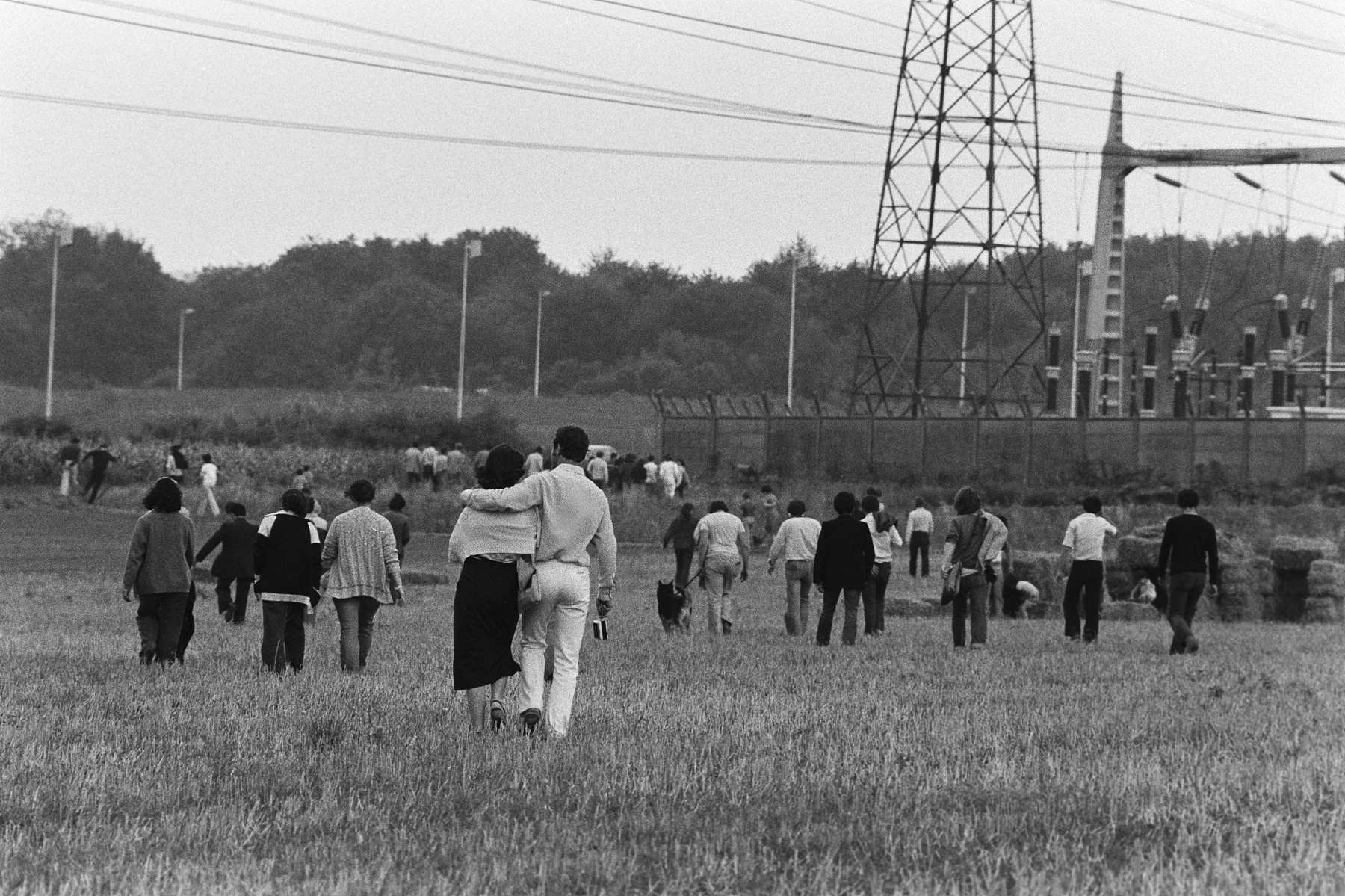
The U.K. later took a more archival approach. After operating a UFO desk for more than 50 years, the Ministry of Defence closed it in 2009 and transferred files for release through the National Archives. The MOD maintained that it remained open-minded about extraterrestrial life, but had found no reported UFO presenting a defense threat.
On April 27, 2020, the U.S. DOD officially released three Navy videos recorded in 2004 and 2015. The release authenticated the footage without determining what the objects were, with the DOD continuing to characterize them as unidentified. It established an important distinction between confirming that evidence is genuine and identifying what it depicts.
From UAP Reports to AARO
The June 2021 Office of the Director of National Intelligence (ODNI) preliminary assessment examined 144 reports collected largely between November 2004 and March 2021. Only one was identified, while the remaining 143 lacked enough reliable data for conclusions. Because many objects appeared on multiple sensors, the assessment said most probably represented physical objects, although unusual behavior could reflect sensor errors, misperception or spoofing.
The ODNI divided possible explanations into airborne clutter, atmospheric phenomena, U.S. developmental programs, foreign systems and an open "other" category. It identified flight safety and potential foreign surveillance as concerns, but presented no evidence of extraterrestrial spacecraft. On May 17, 2022, Congress held its first public UFO hearing in about 50 years, where Deputy Director of Naval Intelligence Scott Bray showed videos and discussed unresolved cases.
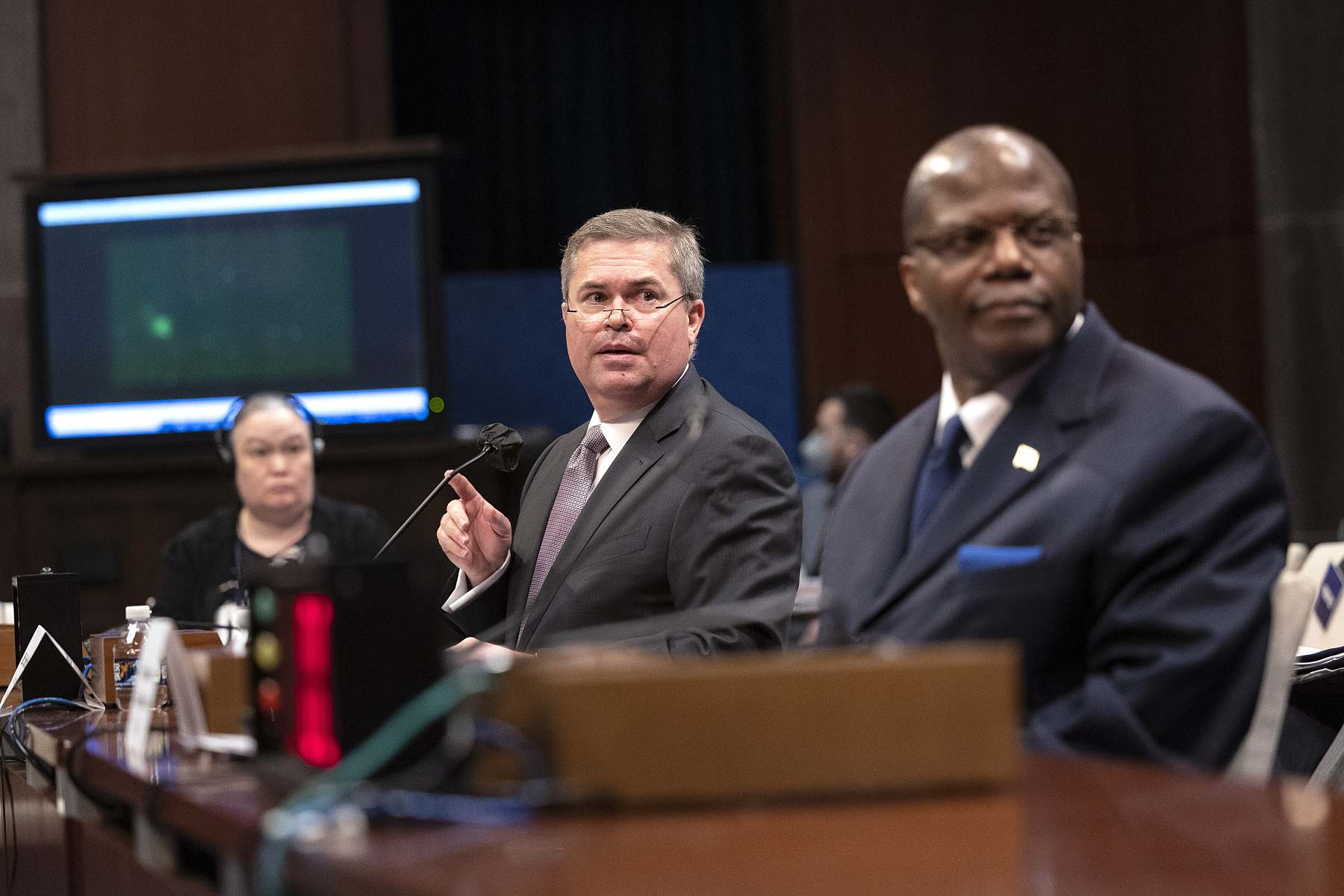
By December 2022, the All-domain Anomaly Resolution Office (AARO) was collecting reports across air, sea, space and other operational domains. Officials said the renewed process had produced several hundred reports but no verified evidence of alien life. The emphasis increasingly moved toward standardized reporting, sensor quality and the removal of professional stigma surrounding pilot observations.
In June 2022, NASA launched a UAP study to establish a method of identification and observation data collection. The project, led by astrophysicist David Spergel, released a report in September 2023 in which it didn't offer any new evidence, but rather recommended that the agency play a larger role in the study of unidentified phenomena.
Whistleblower Protections and Historical Records
The Fiscal Year 2023 National Defense Authorization Act (NDAA) created a protected process for current and former personnel to report alleged UAP programs. It also required a historical examination of government involvement with UAP, allowing claims about classified or compartmented work to enter formal oversight channels rather than circulate only through media interviews.
In July 2023, Senate Majority Leader Chuck Schumer proposed the UAP Disclosure Act as an amendment to the NDAA. It called for a UAP records collection at the National Archives and Records Administration (NARA), a presumption favoring eventual disclosure and an independent review board. Terms such as "legacy program," "technologies of unknown origin" and "non-human intelligence" defined the proposed law's scope rather than demonstrating that such materials existed.
Public Hearings and Grusch's Claims
On July 26, 2023, a House Oversight subcommittee heard testimony from former Air Force intelligence officer Major David Grusch, former Navy pilot Ryan Graves and retired Commander David Fravor. Graves focused on aviation safety and reporting barriers, while Fravor described the 2004 Nimitz encounter. Grusch alleged that the government had concealed a longstanding UAP retrieval and reverse-engineering program.
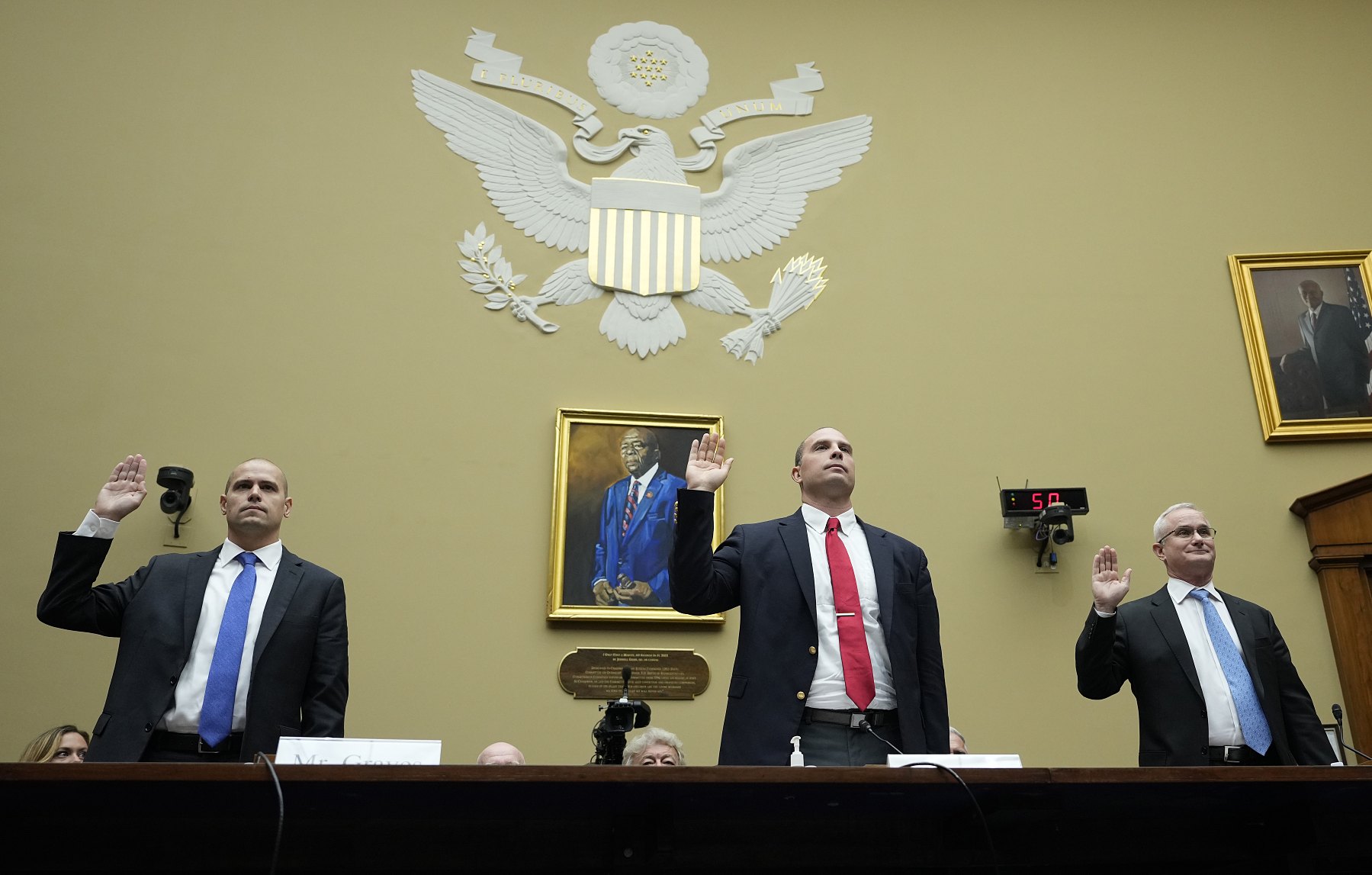
Grusch said his conclusions came from interviews and information obtained during official duties, although he had been denied access to the alleged program. He offered to provide further information in a classified setting, but presented no physical evidence or public documentation establishing his central claims. The DOD said investigators had found no verifiable information substantiating the existence of extraterrestrial-material recovery or reverse-engineering programs.
AARO's Historical Review
On March 8, 2024, AARO released the first volume of its historical review, covering U.S. government involvement with UAP since 1945. AARO said it examined classified and unclassified archives, conducted dozens of interviews and consulted officials responsible for oversight of controlled and special access programs. It reported finding no verified evidence that any government investigation had confirmed extraterrestrial technology.
AARO concluded that the alleged hidden programs described by interviewees either did not exist, had been discontinued or were misidentified national-security programs unrelated to extraterrestrial technology. Those disputing the report questioned whether AARO possessed sufficient access and institutional independence to evaluate highly compartmented activities. The DOD said a second volume would examine later information, including interviews submitted through AARO’s secure reporting process.
Annual Reports and Legislative Pressure
The Fiscal Year 2024 DOD-ODNI annual report covered 757 submissions, including 485 incidents from the reporting period and 272 older incidents reported later. Investigators resolved 118 cases during the period and prepared another 174 for closure, identifying balloons, birds, unmanned aircraft, satellites or conventional aircraft. Many other cases remained unresolved because the available information was insufficient.
The report recorded two military-aircrew cases involving flight-safety concerns and three in which pilots reported being followed or shadowed. It found no confirmation that the incidents involved foreign adversaries and no evidence of extraterrestrial beings, activity or technology. AARO said delayed reporting and the absence of actionable sensor data remained major barriers to resolving cases.

On Nov. 12, 2024, Reps. Tim Burchett (R-Tenn.), Nancy Mace (R-SC), Anna Paulina Luna (R-Fla.) and Eric Burlison (R-Mo.) introduced the UAP Whistleblower Protection Act. The bill proposed protections for federal employees, FBI personnel, members of the armed forces, intelligence personnel and government contractors disclosing taxpayer-funded UAP research. Its introduction showed that congressional demands for protected testimony continued after AARO issued its historical findings.
2026 Releases
On May 8, 2026, the DOD published newly released UAP records, videos and historical documents, with more material promised on a rolling basis. This was followed by a second batch released on May 22, a third batch on June 12, a fourth batch on July 10 and a fifth batch on Aug. 7. President Donald Trump described the release as fulfilling his directive to publish files concerning UAP and extraterrestrial life. Initial records included historical discussions of possible contact, but did not establish that contact occurred.
In July 2026, AARO released its delayed Fiscal Year 2025 report, documenting 319 new reports. It resolved 114 and closed another 256 older cases, attributing each to conventional causes, including 238 cases involving satellite reflections. Of the new reports, 205 remained unresolved because of insufficient data, with nine referred for further analysis.
AARO also reviewed 262 submissions from people claiming firsthand knowledge of government UAP programs and selected seven for interviews. It reported no evidence of recovered UAP material, advanced foreign technology or UAP-related health effects.
Current State
By 2026, the UAP field had become a continuing exercise in declassification, airspace monitoring and case analysis, with more material available publicly but no scientific consensus about the unresolved minority.
On 8 May 2026, the Department of Defense (War) launched the Presidential Unsealing and Reporting System for UAP Encounters (PURSUE), a central collection of declassified videos, photographs and documents from multiple agencies. A second release followed on May 22, with additional installments ongoing. The DOD reported more than 1 billion website hits during its first two weeks, although some released material had not yet been analyzed for anomalies.
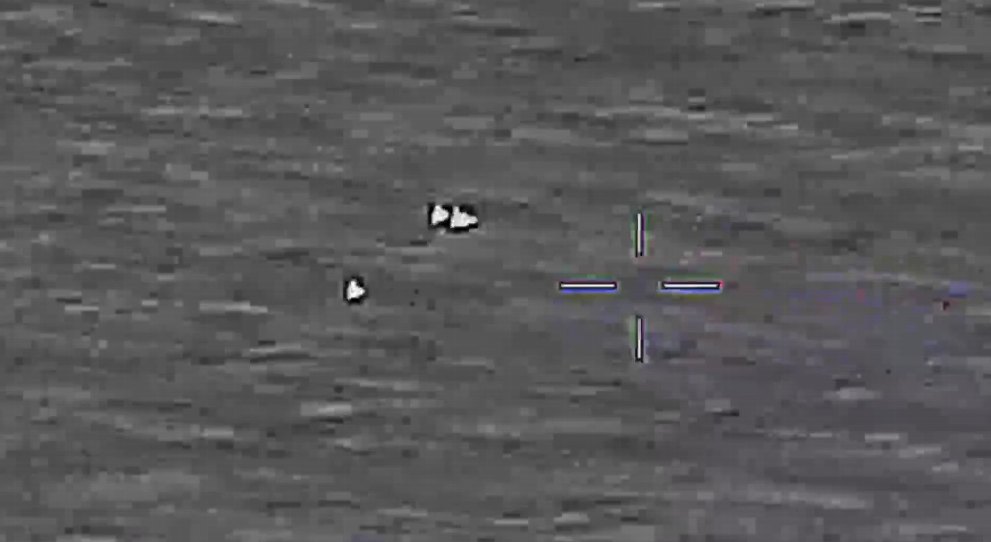
PURSUE involved the White House, ODNI, Department of Energy, AARO, NASA, FBI and other intelligence components. AARO explained in September 2025 that it cannot independently declassify records created elsewhere and must obtain approval from the originating agency. Even imagery of an ordinary object may remain classified if its metadata or resolution reveals military sensor capabilities.
AARO in 2025-26
Dr. Jon T. Kosloski became AARO director in August 2024 with a mandate covering anomalous activity around national-security areas. AARO continued developing sensors, publishing case resolutions and transferring records to the National Archives and Records Administration (NARA). Its delayed Fiscal Year 2025 report covered reports received from June 2, 2024, through May 30, 2025.
AARO received 319 reports and resolved 114, leaving 205 unresolved at the time of reporting. It also closed 256 older cases, with ordinary explanations including balloons, birds, satellites, aircraft, unmanned aircraft systems (UAS), a rocket launch and one manned jet pack. Three-dimensional modeling helped analysts attribute 238 current and older reports to satellite flaring, while no resolved case demonstrated breakthrough foreign technology, extraordinary capabilities or extraterrestrial activity.
The Unresolved Minority
AARO held 1,870 reports by the end of the reporting period. Most new reports concerned airborne observations, while 44 involved objects perceived in space and one involved maritime activity. Many unresolved cases entered an active archive because they lacked sufficient sensor data, while nine were referred for further intelligence or scientific analysis.
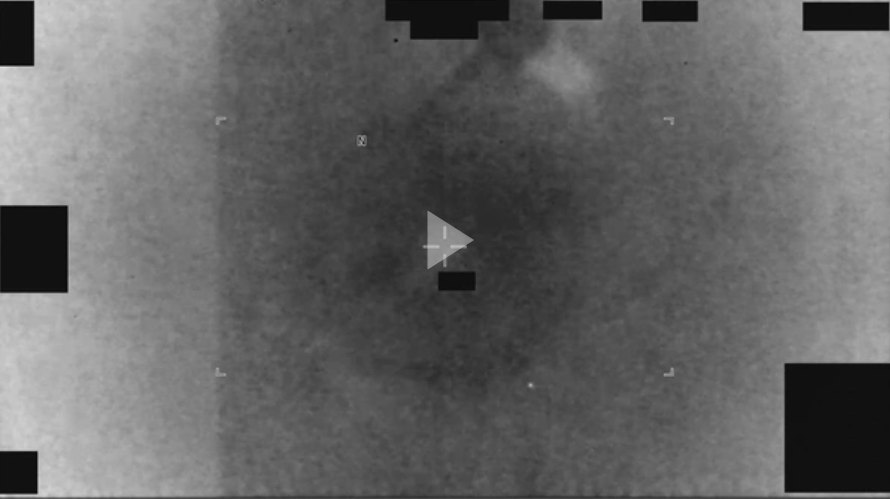
The maritime case described approximately 100 airborne objects and two apparently uncrewed surface systems near U.S. Navy assets off Virginia. Other reports near sensitive locations described performance exceeding known technology, but lacked supporting technical data. Two cases mentioned possible electronic or avionic interference, leaving a small group of potentially consequential reports that AARO could neither validate nor explain.
Drones and Domestic Airspace
Reports over New Jersey in late 2024 demonstrated how drones, ordinary aircraft and unidentified observations can merge during a sustained sighting wave. Federal agencies attributed many reports to lawful aircraft or misidentification and found no confirmed threat, but local officials said they lacked definitive answers. Temporary flight restrictions around sensitive locations further complicated public perceptions of the official response.
Responsibility was divided among the Federal Aviation Administration, FBI, Homeland Security, military and state authorities. Small drones are also difficult to distinguish from birds or background clutter, particularly at night when size and distance are easily misjudged. In December 2025, the New Jersey Legislature approved funding for a research center devoted to unexplained aerial phenomena without declaring what had caused the earlier reports.
Research Beyond AARO
France's GEIPAN, part of the National Center for Space Studies (CNES), continues receiving reports, investigating selected cases and publishing classifications. Government and private research efforts also operate in Canada, China, Germany, Ireland, Norway, Russia and Sweden. Their methods, resources and levels of public access vary considerably.
The U.S.-based nonprofit National UFO Reporting Center recorded 4,573 reports during 2025 and 1,773 from January through Aug. 6, 2026, including 21 in the still-incomplete month of August. Monthly totals ranged from 192 to 587, demonstrating a steady volume of civilian reporting outside government systems. Such databases can reveal geographic or chronological patterns, but their self-reported entries require independent verification before serving as scientific evidence.
Alternate Theories
Some theories interpret UFO reports through psychology, contested imagery, forgotten human technology, spiritual traditions or hidden terrestrial beings rather than visitors from another planet.
Psychological explanations focus on expectation, distance errors, memory reconstruction and the interpretation of ambiguous stimuli. Investigators note that witnesses can be sincere without being accurate because an account depends on correctly perceiving, interpreting, recalling and describing an event. A failure at any stage can transform an ordinary but unfamiliar object into an apparently extraordinary encounter.
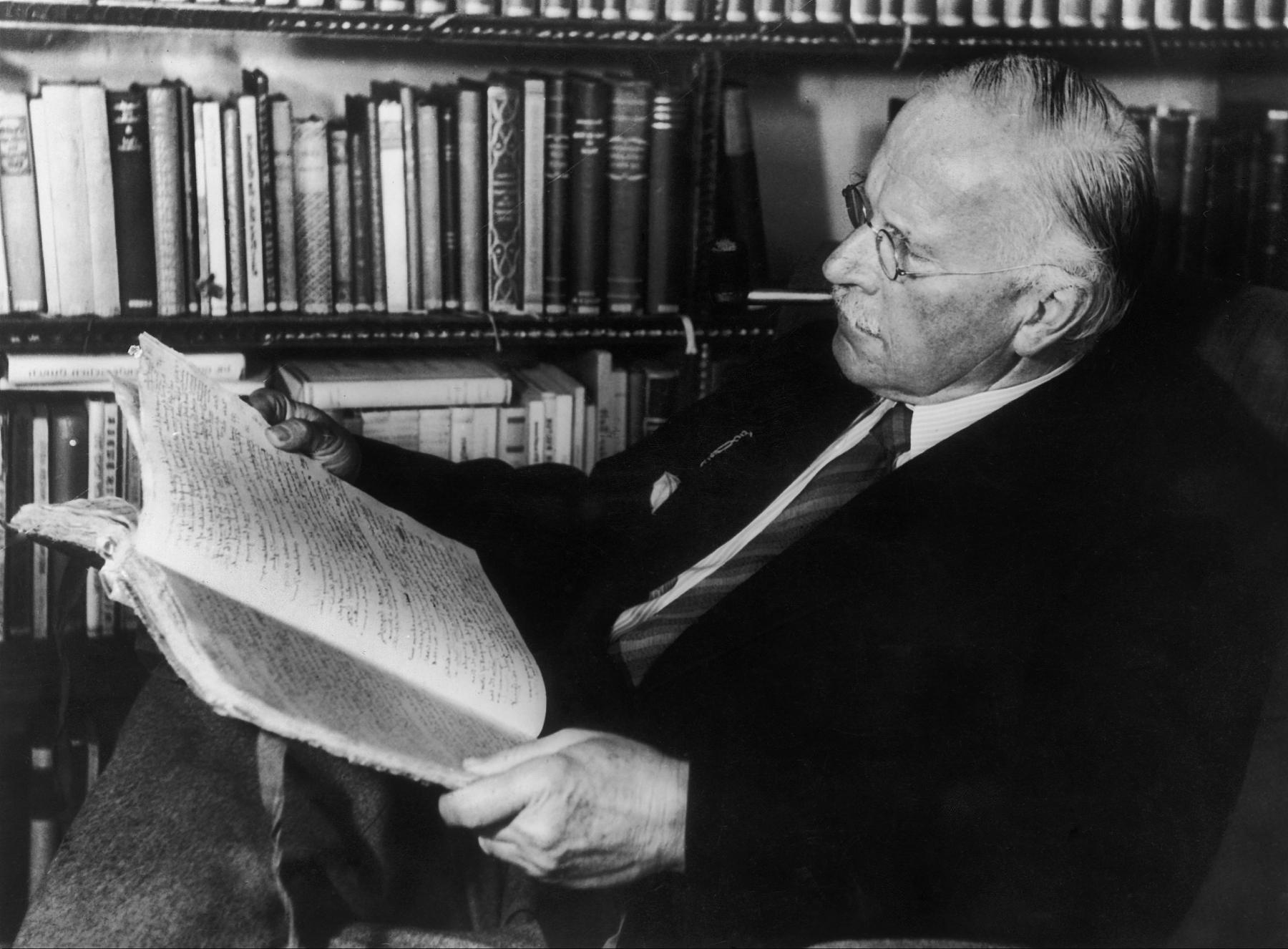
Swiss psychiatrist Carl Jung approached UFOs as a "modern myth" shaped by the fears of the Cold War, although he did not dismiss the possibility that witnesses observed physical phenomena. Reports can also influence later observations by directing attention toward the sky and supplying a framework for ambiguous lights. This process does not require dishonesty or mental illness, but it can produce clusters of similar accounts without proving that every witness observed the same object.
Disputed Footage
Digital editing has made convincing UFO footage increasingly easy to produce and circulate without context. A video of a luminous object over Canberra, Australia, spread online before its creator explained that he had made it while learning Adobe After Effects. The case demonstrated how an experiment or joke can become detached from its origin and circulate as purported evidence.
Other footage remains disputed rather than conclusively identified. Analysts of the alleged "Skinny Bob" alien video have pointed to inconsistent frame rates, artificial film noise and rapid editing as indications of computer-generated imagery, although its creator and production history remain uncertain. Authentic military recordings can present different problems, including infrared artifacts, camera rotation and parallax that can make an object appear faster, closer or more unusual than it is.
Ancient High Technology
The ancient high-technology theory proposes that an advanced human civilization may have existed before known historical societies and disappeared through catastrophe or decline. Advocates point to precise stonework, megalithic construction and apparent machining marks in hard stone, particularly in Egypt. Some suggest that later cultures inherited older structures or artifacts whose original manufacturing methods had been forgotten.
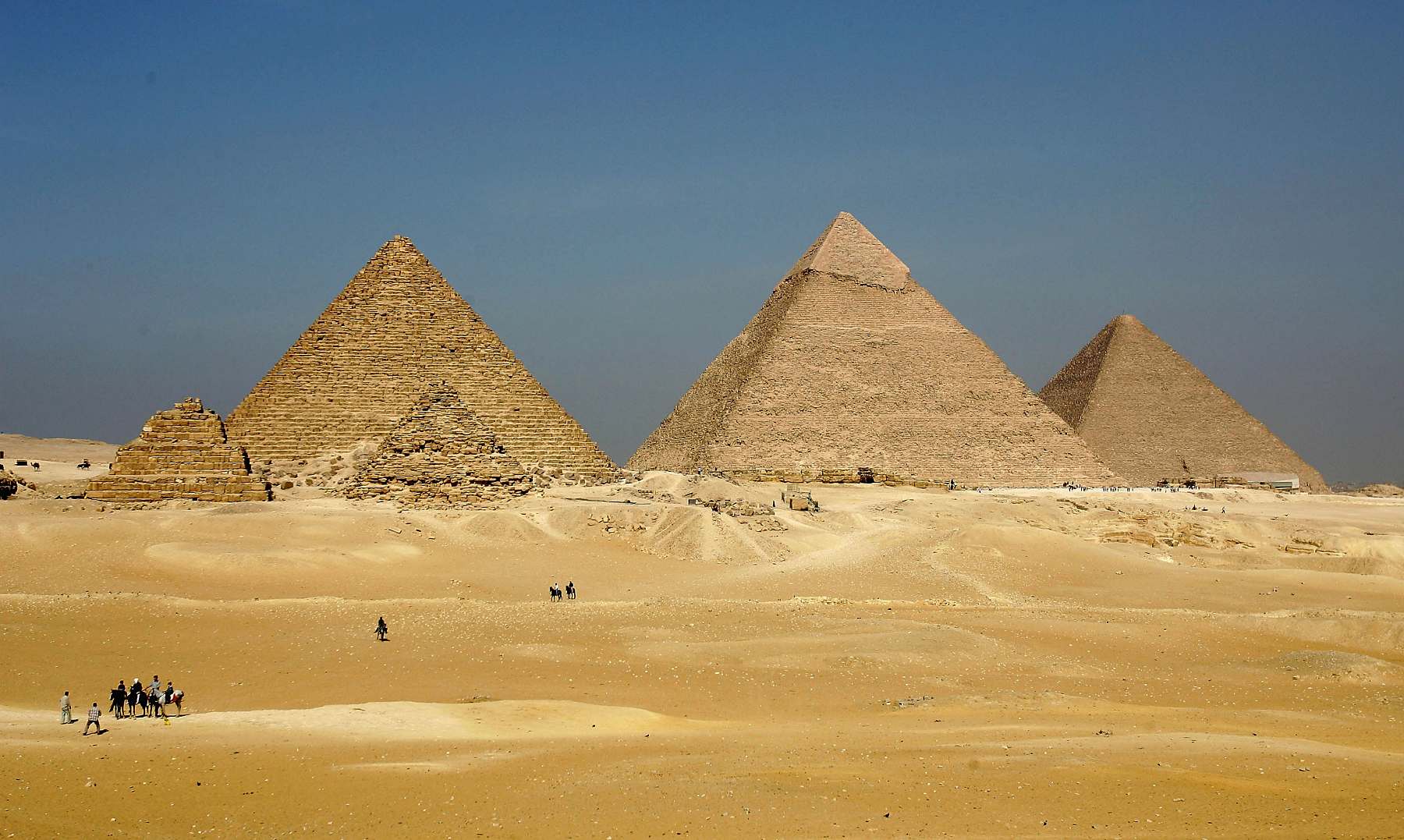
Ancient Indian descriptions of vimanas, celestial weapons and battles in the sky have also been interpreted as memories of sophisticated vehicles or warfare. Archaeological discoveries such as Göbekli Tepe demonstrate that early societies organized monumental construction much earlier than once assumed, but they do not establish the existence of industrial machinery or aircraft. The hypothesis therefore ranges from the supported recognition of deep prehistoric complexity to unverified claims of a technologically advanced lost civilization.
Spiritual Beings
Religious interpretations propose that some reported visitors are spiritual entities presented in technological forms rather than biological beings from another planet. Certain Christian writers identify them with angels, demons or deceptive spirits, citing biblical warnings that supernatural appearances should be evaluated by their message. Under this interpretation, accounts involving telepathy, altered consciousness or religious instruction may be viewed as spiritual encounters rather than space travel.
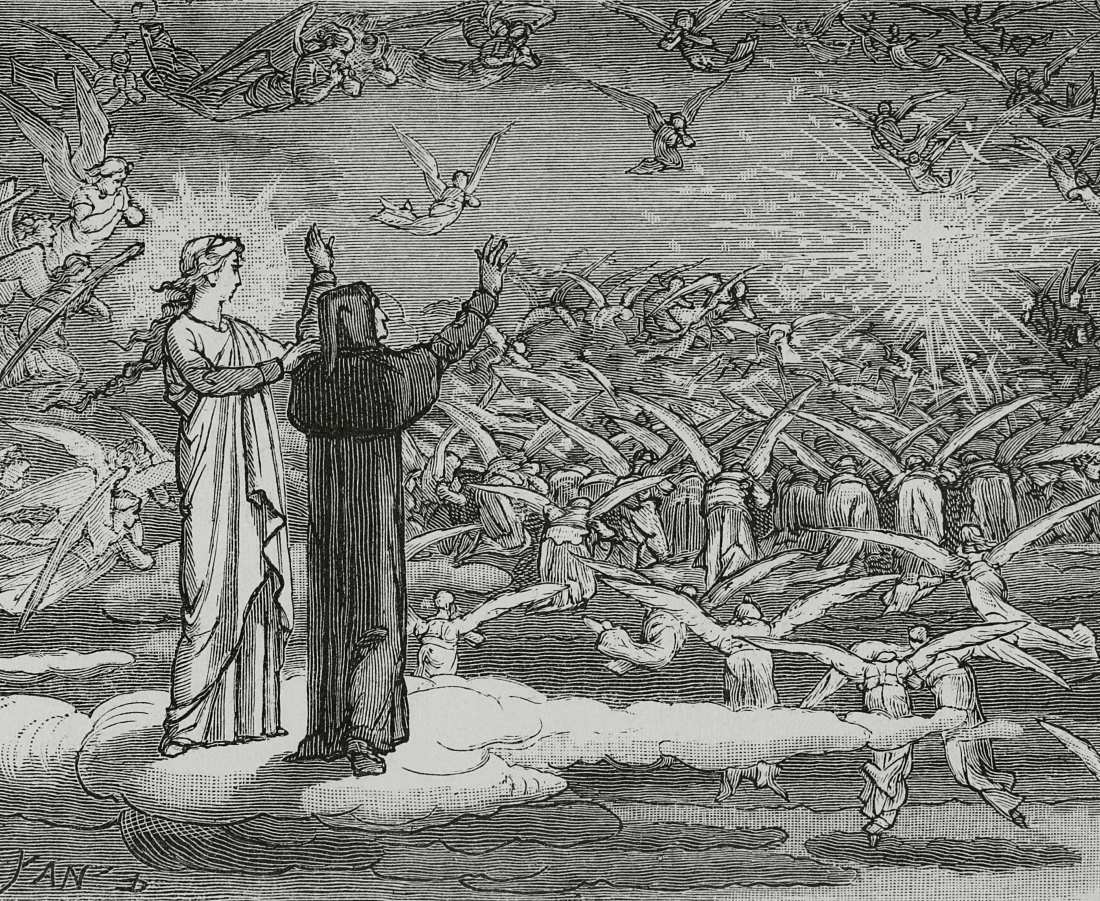
This position is not a settled Christian doctrine. Washington Archbishop Cardinal Robert McElroy removed Monsignor Stephen Rossetti from an archdiocesan exorcist role after Rossetti connected UFOs with demonic activity, with McElroy saying the remarks undermined Church teaching. Religious traditions provide frameworks for interpreting extraordinary experiences, such as the Vatican's investigations into miracles, but those frameworks do not offer what secular society would deem a scientific method for determining whether an observed aerial object was spiritual, technological or misidentified.
Cryptoterrestrial Hypothesis
The cryptoterrestrial hypothesis proposes that the intelligence associated with some UFO reports may already inhabit Earth while concealing its presence. Writer Mac Tonnies explored the concept in "The Cryptoterrestrials," published after his death in 2010, suggesting that apparently alien beings might belong to a hidden terrestrial civilization. Tonnies described the idea as a thought experiment rather than an established explanation.
Physicist Dr. Hal Puthoff referenced Tonnies in a 2022 paper examining an ultraterrestrial presence that might exist among humanity. Related proposals place such beings underground, beneath the oceans or within an isolated remnant of an ancient civilization, while biological anthropologist Dr. Michael P. Masters has separately explored whether some could be future human descendants. None of these possibilities has been demonstrated, but they challenge the assumption that an unfamiliar intelligence must have originated on another planet.
Overview