US Senate Eyes Crypto Clarity Act Vote After Recess


The Facts
- U.S. Senate Majority Leader John Thune filed early Saturday to set up a key procedural vote on the Digital Asset Market Clarity Act when the Senate returns from its August recess in mid-September, potentially paving the way for a full floor vote on the bill.
- The Clarity Act, a 616-page bill that would establish a federal regulatory framework for digital assets, needs at least 60 votes to advance and currently has 51 confirmed Senate votes, requiring support from an estimated seven to 10 Democrats to pass.
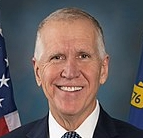
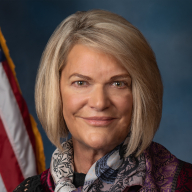
- Sen. Thom Tillis (R-N.C.) warned that postponing action raised significant concerns: "I do think the odds drop precipitously. We leave for a month, we come back, we've got an election ahead of us." Sen. Cynthia Lummis (R-Wyo.) vowed to press on.


Sources Split
LEFT
CENTER
RIGHT
+1


+1
ESTAB
CRIT
CENTER
PRO
ESTAB
The Spin
Narrative A
The delay in the Clarity Act is on Democrats, who blocked a simple procedural vote before recess. Years of negotiation and a Sept. 15 deadline make this the last real shot at passing federal crypto market-structure legislation. A clear legal framework would unlock investment, innovation and jobs while giving consumers the protections they deserve — the clock is ticking.

Narrative B
Republicans are sitting on the Clarity Act, using it as a fundraising weapon against Democrats in the fall rather than actually passing it. Putting the bill on the floor forces accountability and exposes who genuinely supports crypto and who doesn't. The crypto industry should cut off donations to any party that games the legislative calendar instead of delivering real results.
Cynical narrative
The collapse of the Clarity Act may look like a crypto defeat, but it is more likely Congress's. Blocking market-structure reform does not stop digital finance. Bitcoin is global, while banks and asset managers increasingly embrace tokenization, stablecoins and blockchain settlement. Without legislation, regulators, courts and foreign jurisdictions will shape the rules. Washington has not stopped the transition; it has surrendered the chance to govern it.
Metaculus Prediction
Public Figures

Go Deeper

© 2026 Improve the News Foundation.
All rights reserved.
Version 7.18.2