AI Impersonator Targets Rubio, Contacts Foreign Ministers

The Facts
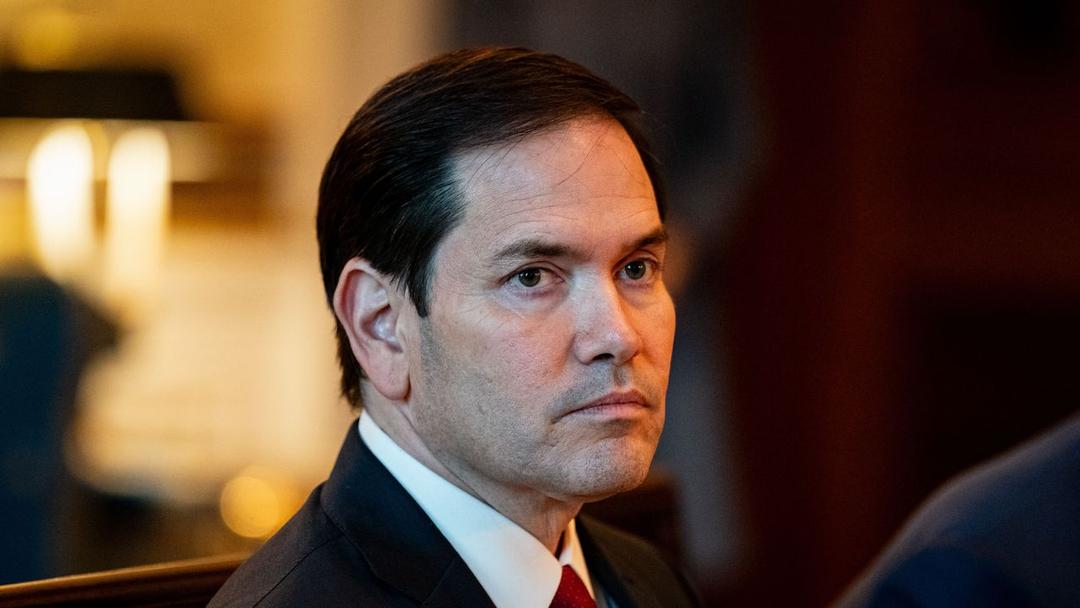
- According to a cable seen by multiple outlets this week, an unknown actor used AI to impersonate U.S. Secretary of State Marco Rubio, contacting at least five high-ranking officials, including three foreign ministers, a U.S. governor, and a member of Congress, through fake voice messages and texts on the Signal messaging app in mid-June.
- The impersonator created a fake Signal account with the display name "marco.rubio@state.gov" and used AI-powered software to mimic Rubio's voice and writing style, leaving voicemails for at least two targeted individuals and sending text messages inviting communication.U.S. authorities don't know who was behind the impersonation attempts, but believe the goal was to manipulate powerful government officials to gain access to information or accounts, according to the July 3 State Department cable, which was sent to all diplomatic posts.
Sources Split
LEFT
CENTER
RIGHT
+2
+1
ESTAB
CRIT
CENTERPRO
ESTAB


The Spin
Pro-establishment narrative
This latest impersonation case underscores the evolving national security challenges posed by generative AI. While its real-time voice capabilities can be exploited for social engineering, federal agencies are actively adapting with AI-drive defenses to address these risks. There's still much to be done, however, including tabletop exercises and enhanced cybersecurity training, to protect national interests.
Establishment-critical narrative
The repetitive AI-driven impersonations of high-ranking U.S. officials reveal the government's alarming unpreparedness for emerging technological threats. Despite clear warnings and prior incidents, the current and prior administration have failed to implement robust cybersecurity measures. This negligence not only endangers diplomatic relations but also sets a perilous precedent for the misuse of artificial intelligence in the political arena.

Cynical narrative
While impersonating officials is troubling, the government's warnings about AI threats ring hollow when it deploys AI surveillance against citizens. Trump's immigration agenda, for example, relies on facial recognition, sentiment analysis, and predictive analytics, risking bias and profiling. Cronyism in contract awards further undermines trust. Citizens must demand transparency and use encryption to protect privacy.
Metaculus Prediction
Public Figures
The Controversies






© 2026 Improve the News Foundation.
All rights reserved.
Version 7.17.1