Study: Antarctic Seal Populations Decline Amid Changing Sea Ice
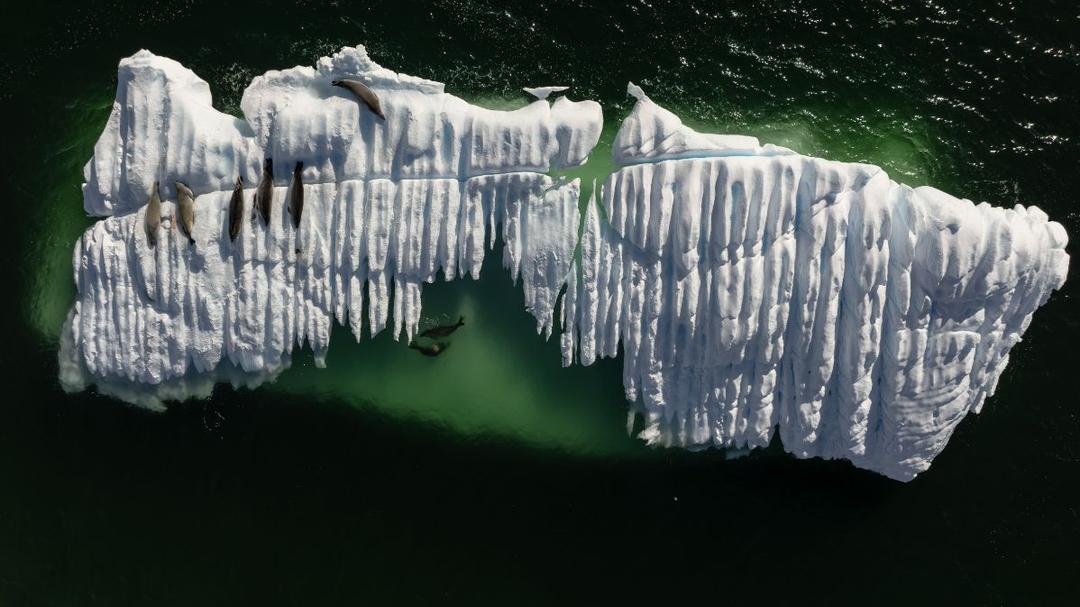
The Facts
- British Antarctic Survey researchers, in a study published Wednesday in Global Change Biology, documented population declines in Antarctic seal species on Signy Island in the South Orkney Islands, with Weddell seals reported to have declined by 54% and Antarctic fur seals by 47% over nearly five decades of monitoring since the 1970s.
- The study utilized satellite records dating back to 1982 and seal population counts from 1977, spanning periods of long-term warming and temporary cooling between 1998 and 2014, to establish comprehensive links between sea ice conditions and seal population dynamics.Southern elephant seals showed similar population trends over time but demonstrated no significant overall long-term decline, contrasting with the sharp decreases observed in Weddell and Antarctic fur seal populations in the same region.
Sources Split
LEFT
CENTER
RIGHT
ESTAB
CRIT
CENTERPRO
ESTAB


The Spin
Climate-concerned narrative
The dramatic seal population crashes signal an urgent climate crisis requiring immediate action. These apex predators serve as canaries in the coal mine for Antarctic ecosystem health, and their decline threatens the entire Southern Ocean food web. The accelerating pace of environmental change outstrips these species' ability to adapt, potentially leading to irreversible ecosystem collapse.
Climate-skeptic narrative
These population declines represent natural fluctuations in marine ecosystems that have occurred throughout history. Antarctic seal populations have shown remarkable resilience over thousands of years, adapting to changing climate conditions. The temporary cooling period from 1998-2014 demonstrates that environmental changes aren't always linear, and populations may recover as conditions stabilize.

Narrative C
Seal populations in Antarctica may be declining, but the real threat to the environment is poverty. As history shows, richer nations clean up faster and protect better. Prosperity empowers innovation, adaptation, and conservation. If we truly care about saving species, we should fight poverty first, not economic growth.
Metaculus Prediction
Editor's Note
© 2026 Improve the News Foundation.
All rights reserved.
Version 7.18.3