Empire with David Olusoga
The Facts
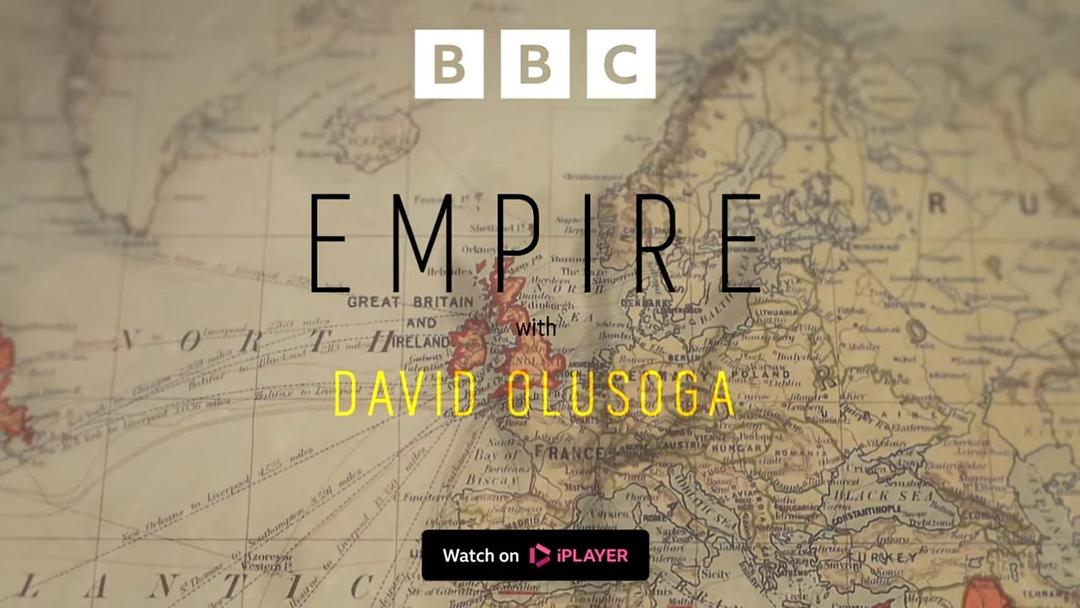
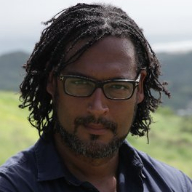
- Series Overview: The three-part BBC series "Empire," which premiered on Nov. 7, 2025 and was written and presented by David Olusoga, charts British colonial expansion from the Tudor era under Elizabeth I through the First World War. The episodes trace how England transformed from a relatively poor late-16th-century kingdom into the world’s largest empire, at its height ruling roughly a fifth of the Earth’s land and nearly a quarter of its population. The series follows early settlements in America and the Caribbean and the rise of British power in India, emphasizing the role of private charter companies, speculative trade ventures and violence in laying imperial foundations.
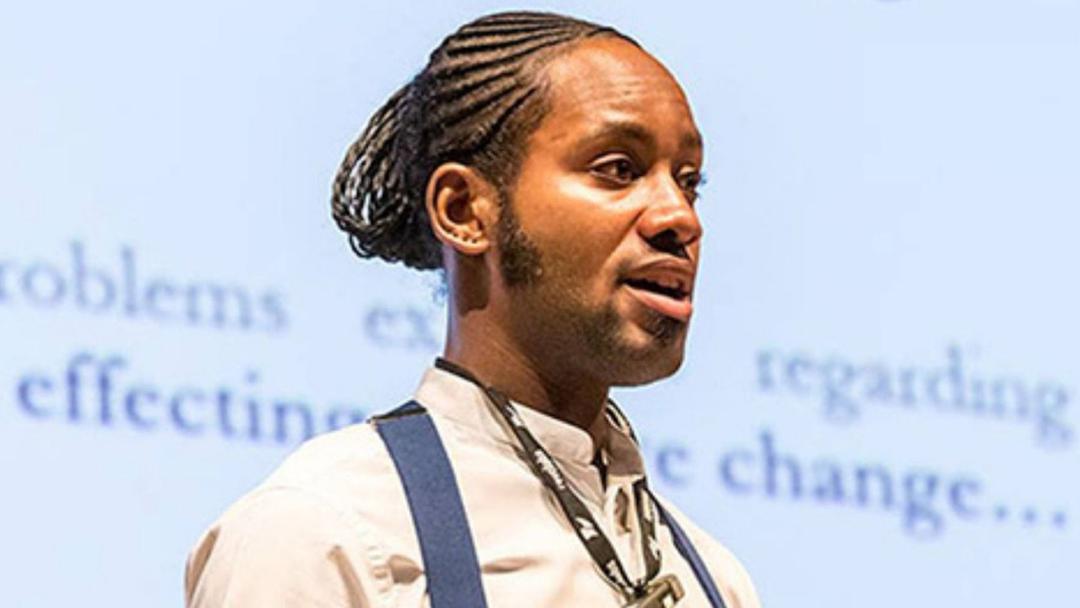
- Context: Co-produced by the BBC and The Open University, "Empire" draws on academic research from the Faculty of Arts and Social Sciences. Olusoga, a Professor of History at the University of Manchester, frames the story through his own family background, which includes both a Scottish soldier who served the empire and Nigerian ancestors who experienced its violence. This dual perspective underpins the series’ treatment of empire as a shared history affecting around 2.6 billion people across Britain and the Commonwealth, shaped by migration, enslavement and coerced labor.
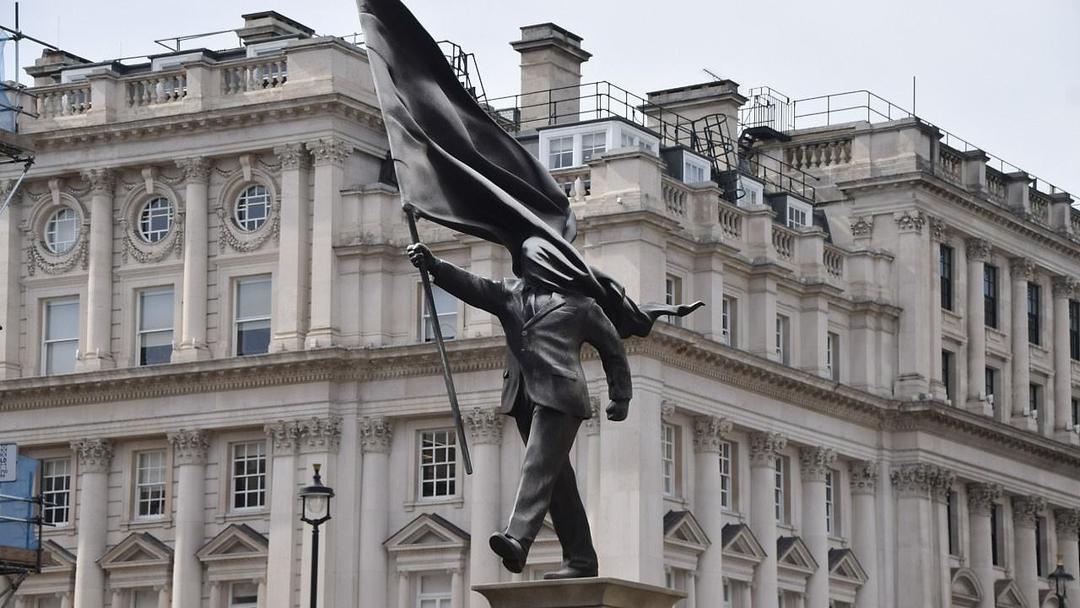
- Series' Claims: Olusoga argues that debates over Britain’s colonial past have become more contested than ever before, as imperial legacies have resurfaced in disputes over race, identity, monuments and national memory. Opening with footage of protesters toppling the statue of slave trader Edward Colston in Bristol in 2020, the series insists this complex history is too consequential to be ignored or easily simplified. Olusoga also presents empire as a story of contradictions — profit and progress alongside exploitation and terror — asking how a small European island seized global dominance, and why that vast system unraveled so rapidly within a single generation.


Sources Split
LEFT
CENTER
RIGHT
+2
+2


ESTAB
CRIT
CENTER
PRO
ESTAB
The Spin
Left narrative
Olusoga’s "Empire" arrives as a bracing antidote to resurgent nationalist nostalgia and culture-war myth-making. Drawing on archives, archaeology and artifacts, it carefully dismantles flag-waving fantasies of imperial virtue and exposes how plunder, enslavement and genocide underwrote British power. By linking Britain’s story to the 2.5 billion people shaped by empire, Olusoga presents a measured, even-handed history that mirrors modern Britain itself. In an era of anti-immigrant rhetoric and calls to sanitize the past, the series is a humane corrective no honest curriculum should ignore.
Right narrative
"Empire" is presented as history but functions as a one-note indictment, curated to confirm the BBC’s longstanding bias. Olusoga selects the empire’s darkest episodes while stripping away context, sidelining positive achievements in science, law, infrastructure, abolition and self-government. Wars with clear causes are framed as motiveless brutality, while panels of vague commentators cue moral outrage rather than inquiry. By ignoring rival empires, strategic competition and reforming impulses, the series swaps balance for activism, ultimately doing a disservice to viewers seeking proportion, evidence and nuance.


Cynical narrative
Olusoga’s "Empire" positions itself as urgent, but its framing feels stranded in the political moment of 2020. Opening with the Colston statue’s fall, the series leans on a Black Lives Matter-era moral register that once felt disruptive but now reads familiar and blunt. The question it poses is serious, yet the answer offered — Britain having been built on little more than plunder and enslavement — reflects a debate that has already moved on. By recycling that moment’s assumptions, the BBC looks less like it’s leading the conversation than lagging behind it, mistaking yesterday’s outrage for lasting insight.
Establishment-critical narrative
Despite its critical tone, Olusoga’s "Empire" stops short of confronting the forces that still structure imperial harm. The series recounts violence but keeps it safely historical, avoiding analysis of capitalism, whiteness and white supremacy as active systems. Genocides are softened into “wars,” exploitation into “revolutions,” and empire is sealed off from the present. By clinging to a cautious, cowardly neutrality, "Empire" offers representation without rupture — popular history that names injustice yet refuses to follow it into today’s material realities, leaving deeper truths unexplored and power comfortably intact.