Study: Chemical Pollution Poses Climate-Level Threat to Health
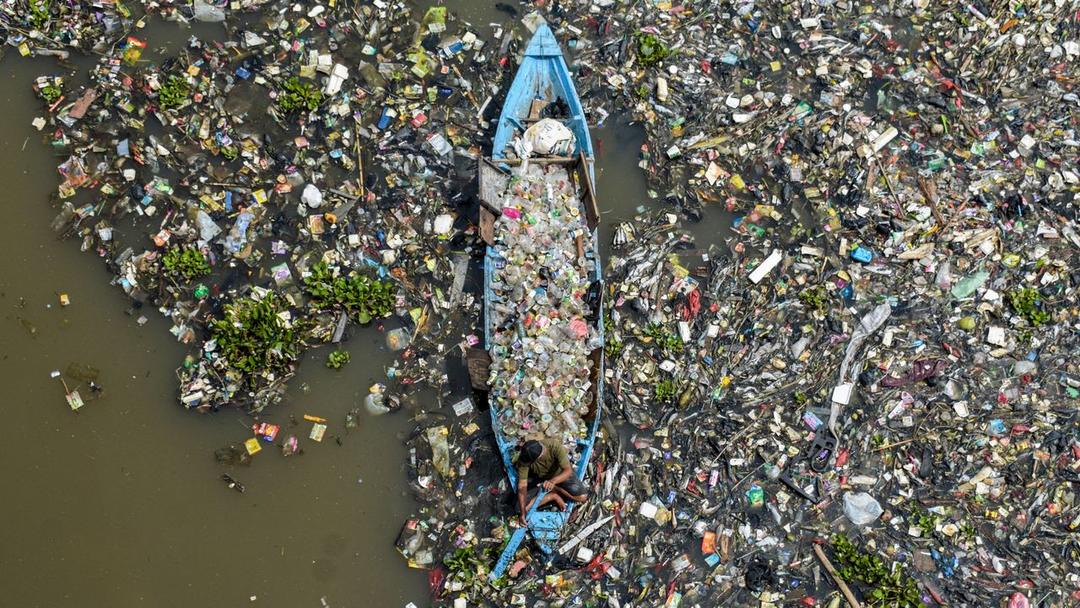
The Facts
- Deep Science Ventures released a report warning that chemical pollution represents a threat to human and environmental health comparable to climate change, with over 100 million synthetic chemicals created by the industrial economy and between 40,000 and 350,000 currently in commercial use.
- It found that more than 3,600 synthetic chemicals from food contact materials are present in human bodies globally, with 80 of these chemicals being correlated with human health concerns, particularly bladder and liver cancer, leukemia and non-Hodgkin's lymphoma.
- Research shows that over 90% of the global population breathes air that exceeds World Health Organization pollution guidelines, while per- and polyfluoroalkyl substances (PFAS), known as "forever chemicals," have been detected in nearly all humans tested worldwide.


Sources Split
LEFT
CENTER
RIGHT
+1

+3

ESTAB
CRIT
CENTER
PRO
ESTAB
The Spin
Narrative A
PFAS linger everywhere, from drinking water to fish to humans themselves, mandating urgent action. Governments must enforce regulations, test water supplies, set standards and clean up sites, while individuals can test their own water, install certified filters and avoid buying products that are full of these toxic chemicals. Like climate change, this is a global effort requiring personal, governmental and corporate accountability.

Narrative B
Chemical pollution certainly is the most immediate threat to human health, causing widespread illness and millions of deaths right now, unlike climate change's longer-term risks. Yet, the intense focus on carbon emissions overshadows urgent needs like stricter air quality rules and chemical bans. This imbalance delays critical action on pervasive health dangers, even as fossil fuel use remains largely uncurbed.
Climate-skeptic narrative
Climate change fears indeed overshadow real, immediate threats like pollution, which is killing millions today. More worryingly, however, climate rhetoric is becoming increasingly extreme and apocalyptic, drifting away from science and reason. This shift is both dangerous and distracting.
© 2026 Improve the News Foundation.
All rights reserved.
Version 7.18.3