Study: Fewer Children Developing Peanut Allergies
The Facts
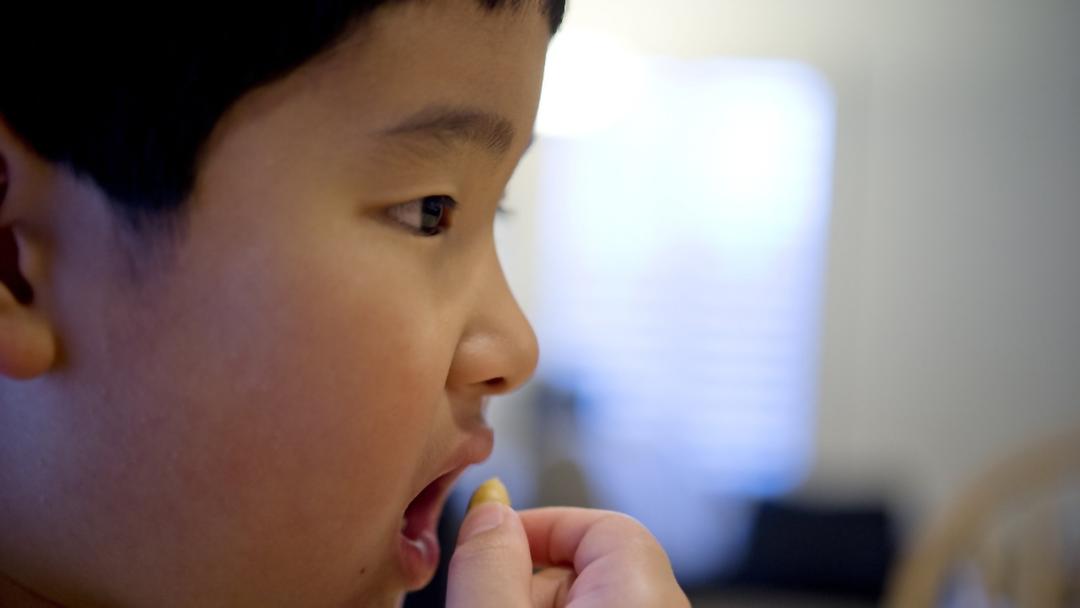
- According to a study published in Pediatrics on Monday, peanut allergies in children under 3 dropped by 43% between 2015 and 2020, while overall food allergies declined 36% during the same period following new early introduction guidelines.
- The National Institute of Allergy and Infectious Diseases formally recommended early peanut introduction in 2017, reversing decades of guidance that advised avoiding peanut exposure in infants until age 3. Updated national guidelines were issued in 2021.
- The 2015 Learning Early About Peanut Allergy trial by Gideon Lack at King's College London showed introducing peanut products to infants starting at 4 months reduced future allergy risk by more than 80%, sparking the guideline changes.


Sources Split
LEFT
CENTER
RIGHT
+3
+4
+3
ESTAB
CRIT
CENTER
PRO
ESTAB
The Spin
Narrative A
Early peanut introduction guidelines signify a massive public health victory that saved 60,000 children from developing dangerous allergies. The 43% drop in peanut allergies proves that evidence-based medicine works when properly implemented. This groundbreaking shift from decades of harmful delay tactics shows how quickly science can transform lives when doctors follow the data.
Narrative B
The peanut allergy decline remains unproven since researchers never tracked what babies actually ate, making causation claims premature. Only 17% of parents and 29% of pediatricians follow the guidelines, yet allergies still dropped mysteriously. Alternative explanations like improved eczema treatment could explain these results without crediting early introduction policies.


Metaculus Prediction
© 2026 Improve the News Foundation.
All rights reserved.
Version 7.18.3