Supreme Court to Review Rastafarian Inmate's Religious Rights Case
The Facts
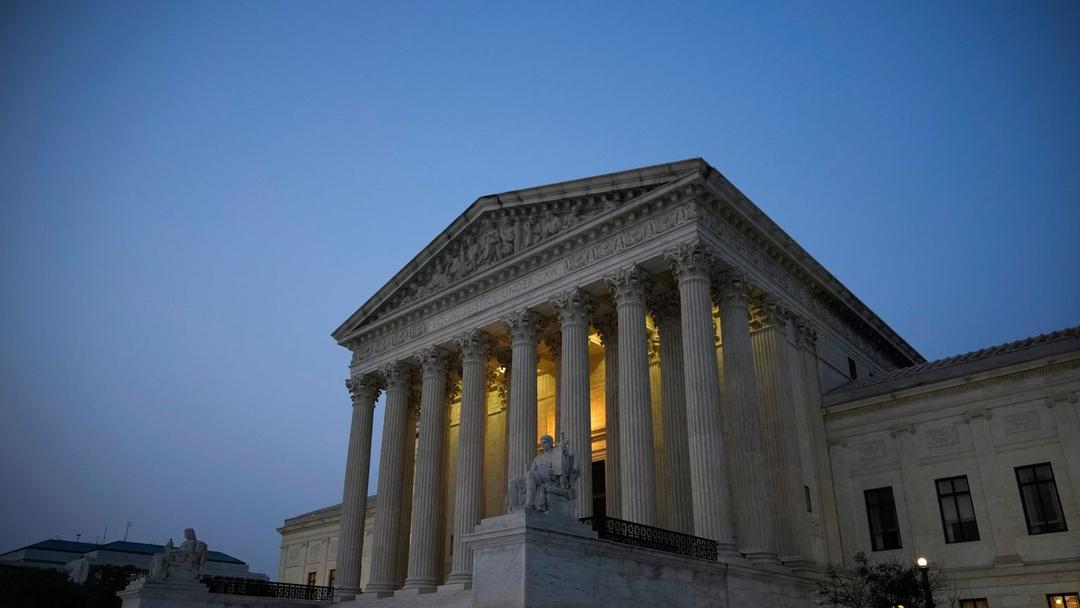
- The U.S. Supreme Court (SCOTUS) on Monday agreed to hear the case of Damon Landor, a former Louisiana inmate who seeks monetary damages from prison officials for forcibly shaving his dreadlocks in violation of his Rastafarian religious beliefs during his 2020 incarceration.
- Landor had been growing his dreadlocks for nearly 20 years. But prison guards handcuffed him to a chair and shaved his head to the scalp during the final three weeks of his five-month sentence despite a 2017 ruling allowing Rastafarian inmates in Louisiana to keep their dreadlocks for religious reasons.
- This case centers on whether the Religious Land Use and Institutionalized Persons Act (RLUIPA) of 2000 allows inmates to sue individual prison officials for monetary damages, similar to its sister statute, the Religious Freedom Restoration Act of 1993.


The Spin
Narrative A
This is a critical test for religious liberty protections in America's prison system. Prison officials ignored a court ruling protecting religious rights and forcibly shaved Landon's sacred hair, violating the most basic principles of religious freedom. Without the ability to seek monetary damages, inmates have no meaningful recourse when their rights are trampled.

Narrative B
Although the treatment of Landor was wrong, expanding damage liability against individual prison officials threatens to cripple an already strained correctional system. Prison staffing shortages would worsen if guards faced personal financial liability for policy decisions, ultimately harming all inmates through reduced services and security.
© 2026 Improve the News Foundation.
All rights reserved.
Version 7.18.0