The War on Science

The Facts
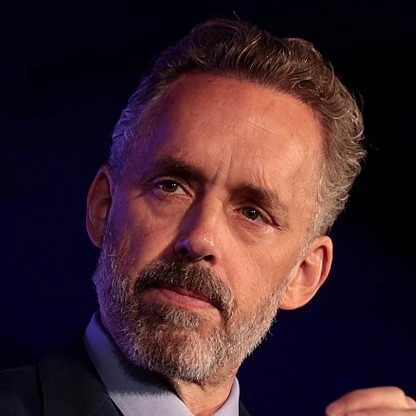
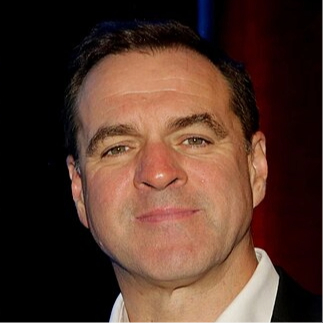
- Book Overview: "The War on Science: Thirty-Nine Renowned Scientists and Scholars Speak Out About Current Threats to Free Speech, Open Inquiry, and the Scientific Process" is a 480-page anthology edited by theoretical physicist Lawrence M. Krauss and published on July 29, 2025 by Post Hill Press. The collection gathers essays by academics, scientists, and public thinkers addressing perceived constraints on open inquiry. Each contributor writes independently, with Krauss framing the volume via an introduction and closing essay.
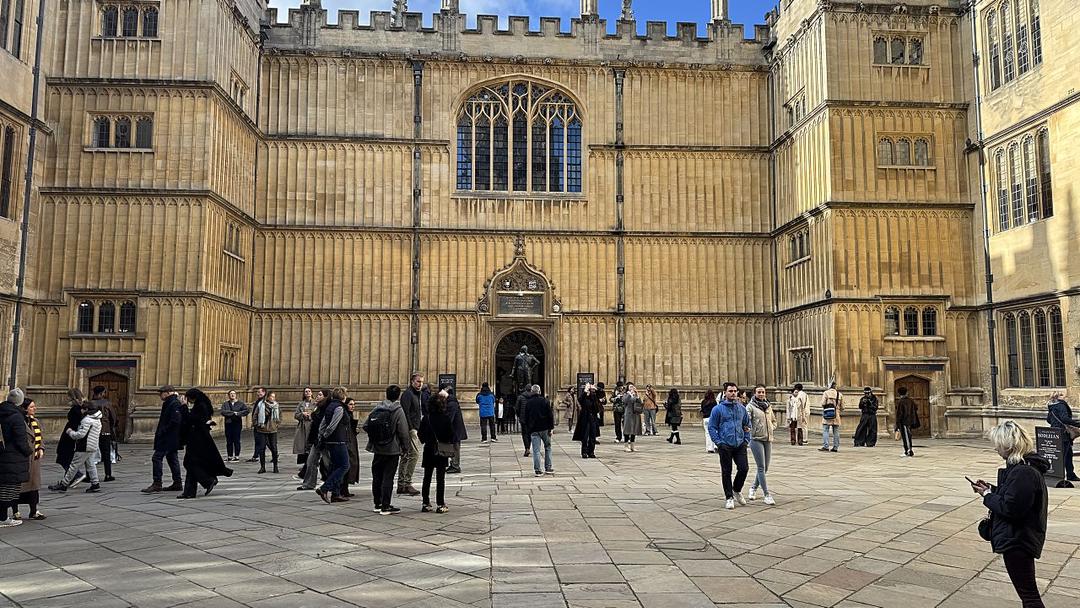
- Context: The anthology emerges during heightened debate about academic culture, campus speech codes, diversity policies, and ideological polarization in science communication. Krauss, who has hosted podcasts and events under The Origins Project Foundation, coordinated publication alongside a companion series of interviews and panels discussing free speech and the future of research institutions. The release also coincides with renewed disputes about political influence in education and scientific funding.
- Author’s Claims: Krauss asserts that science depends on open skepticism and that social or political doctrines — when institutionalized — risk distorting evidence-based reasoning. The introduction warns that cultural pressures, from administrative oversight to social activism, can discourage curiosity and dissent. Contributors collectively argue that intellectual freedom must be defended through procedural neutrality, methodological rigor, and the protection of unpopular ideas.


Sources Split
LEFT
CENTER
RIGHT
+1
+2
+5
+2
+1

+1
ESTAB
CRIT
CENTER
PRO
ESTAB
The Spin
Right narrative
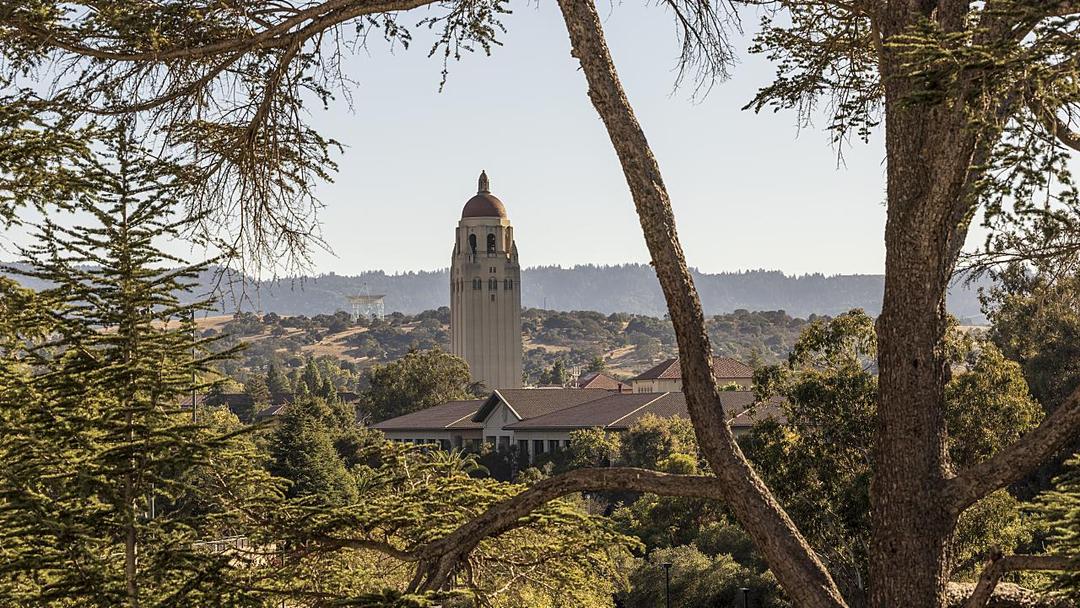
Lawrence Krauss’s "The War on Science" is a brave and timely defense of Western ideals of reason, merit, and free inquiry. Krauss rightly warns that universities — once the crown jewel of the Enlightenment — have succumbed to Leftist ideological capture, where politics outweighs truth. The essays expose how DEI mandates and moral dogmas corrode objectivity and skepticism, the very engines of progress and innovation in the West. Critically, Krauss thus urges scholars to resist this capture by reaffirming viewpoint diversity, tenure protections, and the courage to question orthodoxy without fear or compromise.
Left narrative
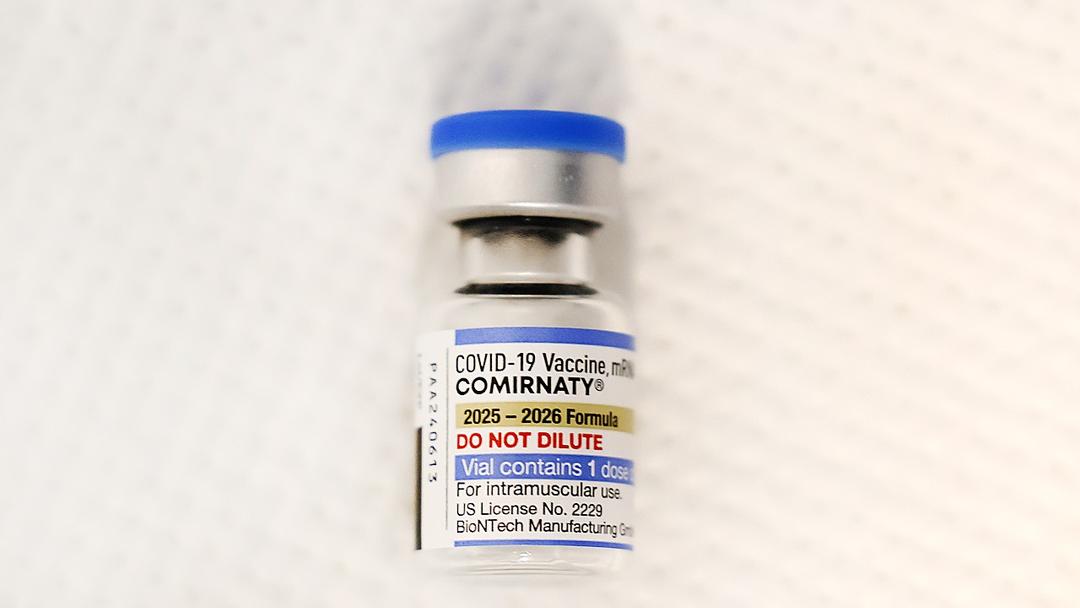
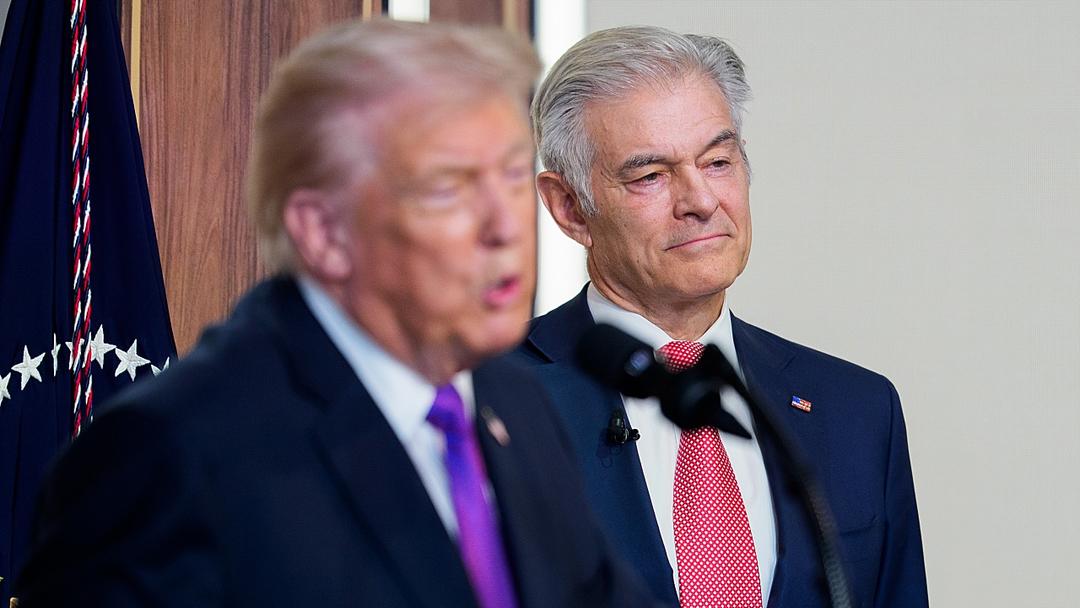
"The War on Science" pretends to defend reason for reason's sake, but spectacularly misses the real threat: the Trump administration’s attacks on vaccine programs, climate science, and federal funding for universities. Rather than confronting the most urgent dangers, it fixates on DEI, gender inclusion, and “woke” ideology, portraying progressive reforms as apocalyptic. By obsessing over trivial culture-war grievances, the book ignores the actual dismantling of scientific institutions, offering cover to those actively undermining the integrity, funding, and long-term stability of American science.


Narrative C
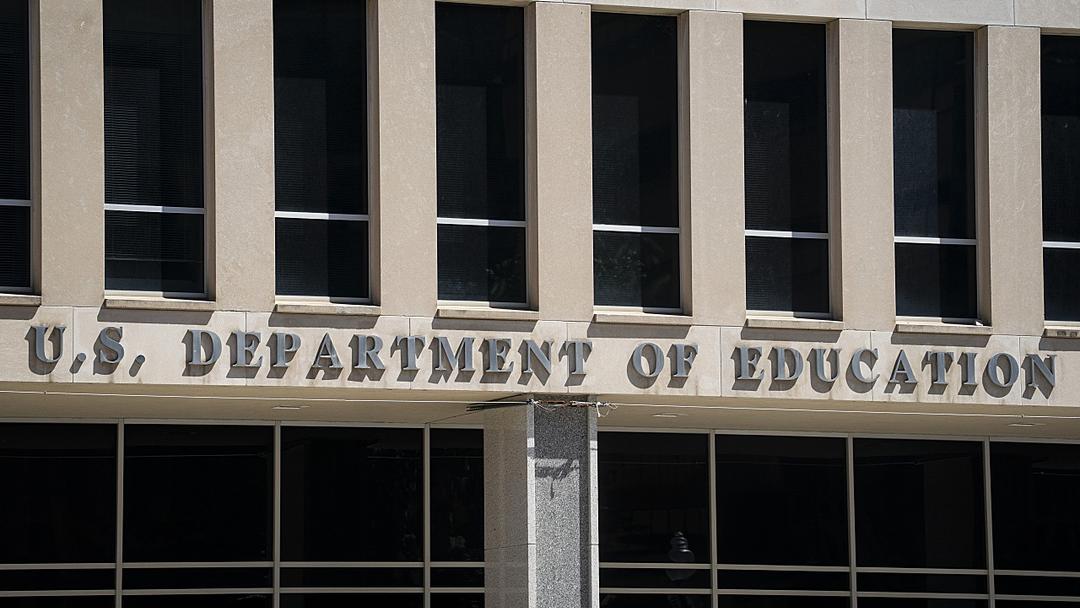
A preoccupation with political ideology misses the fundamental point of 'The War on Science.' While Krauss opposes the influence of left-leaning activism in academia threatening open debate, him similarly critiques the Trump administration's efforts to destroy educational institutions and undermine research efforts on the misconception that all scientists and academics are now 'woke.' Krauss deliberately draws together essays from individuals across the political spectrum in 'The War on Science' to illustrate that the scientific process should not be pulled into the current climate of partisanship.
Metaculus Prediction
Public Figures
The Controversies
Go Deeper


































© 2026 Improve the News Foundation.
All rights reserved.
Version 7.18.2