Actor Christina Applegate Says 2021 MS Diagnosis Was Wrong
The Facts
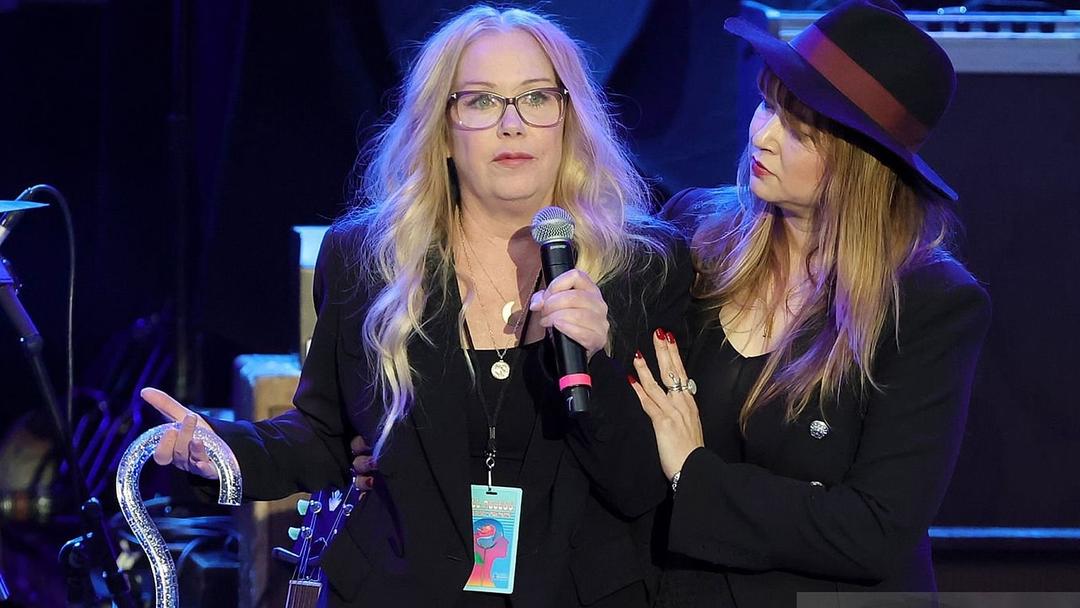
- Christina Applegate said Tuesday in a two-part episode of her "MeSsy" podcast that doctors determined she does not have multiple sclerosis (MS), a diagnosis she received in 2021. The episodes followed a roughly seven-month break from the show.
- Recalling the appointment, Applegate said her doctor told her, "Congratulations, you don't have MS." She told co-host Jamie-Lynn Sigler that she was "not happy at all" about the news, adding that everyone else around her was happy.
- Applegate said her doctor stopped her infusion treatment a few years ago to watch her B cell count, which neither rose nor fell. That prompted a review of her case, which had originally included MRIs, a spinal tap and lesions on her brain.


Sources Split
LEFT
CENTER
RIGHT
+1
+2

+1
+2
+3
ESTAB
CRIT
CENTER
PRO
ESTAB
The Spin
Narrative A
Getting a diagnosis yanked away after years of building a life around it is its own kind of cruelty, especially when the wheelchairs, the pain and the lost career are still there. A label swap fixes nothing when the symptoms keep getting worse and nobody can say why. For Christina, starting over at square one after six years of suffering is nothing to be congratulated for.
Narrative B
Applegate's journey reminds us that courage shines even through uncertainty. As she continues seeking answers while openly sharing her struggles, her honesty raises awareness about medical misdiagnosis and inspires others to advocate for their health. Through resilience and authenticity, Applegate demonstrates the power of perseverance, hope and speaking truthfully about life's challenges.


Narrative C
Christina's case highlights a broader problem. One study found nearly one in five patients referred to MS clinics had been misdiagnosed, often after years on medication. Without a single definitive test and with overlapping symptoms, outdated criteria often lead to errors. Doctors must update diagnostic methods, revisit old diagnoses and welcome second opinions to help patients avoid years of treatment for the wrong disease.





© 2026 Improve the News Foundation.
All rights reserved.
Version 7.18.2