Fossils of New Ancient Ape Species Discovered in Egypt
The Facts
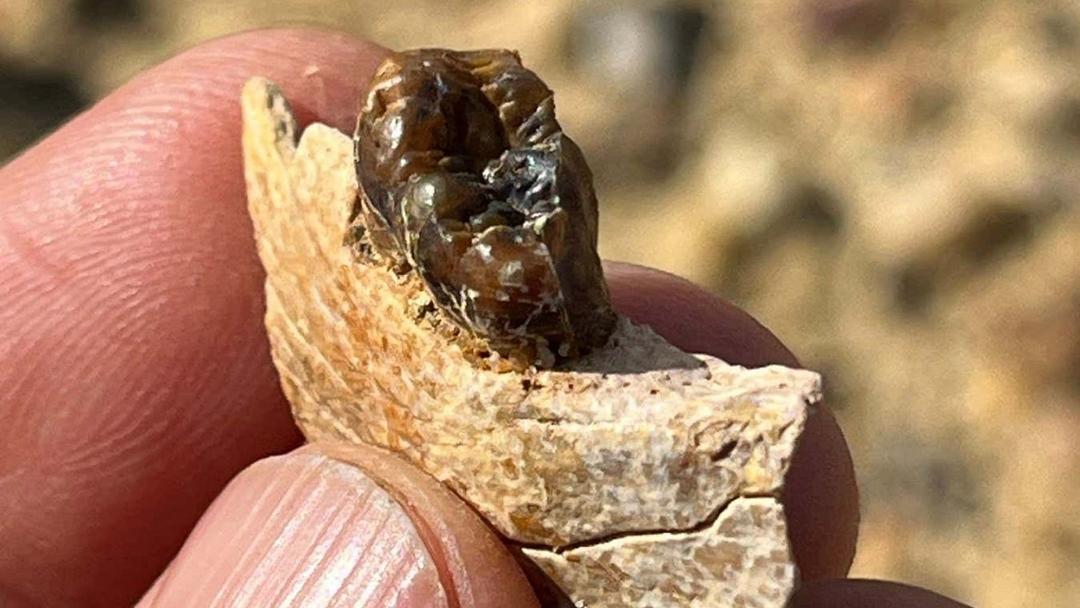
- Researchers in Egypt have identified a new ancient ape species, Masripithecus moghraensis, from fossilized jaw fragments and teeth found at Wadi Moghra in northern Egypt, dating to roughly 17 to 18 million years ago during the Early Miocene.
- The discovery, published Thursday in the journal Science, is the first definitive ape fossil from North Africa during this period and was led by Shorouq Al-Ashqar and colleagues from Mansoura University in Egypt.
- Scientists had long focused on East Africa as the origin of early apes, but the analysis placed M. moghraensis closer to the last common ancestor of all living apes than any similarly aged fossil from East Africa.


Sources Split
LEFT
CENTER
RIGHT
+2
+4
ESTAB
CRIT
CENTER
PRO
ESTAB
The Spin
Narrative A
The discovery of Masripithecus moghraensis in northern Egypt suggests East Africa was never the true cradle of modern apes — North Africa was. This 17-to-18-million-year-old jawbone predates the known dispersal into Eurasia and sits closer to the ancestor of all living apes than anything found in East Africa. The fossil record has been geographically biased for too long, and this find blows that assumption wide open.
Narrative B
Masripithecus moghraensis is a valuable find, but it doesn’t rewrite ape origins overnight. Scientists have long known the fossil record is uneven, and this discovery — while important — wasn’t entirely unexpected. With fragmentary evidence and uncertain relationships among Miocene apes, bold claims about a new origin point are premature. This is a starting point, not a conclusion.
Metaculus Prediction
© 2026 Improve the News Foundation.
All rights reserved.
Version 7.18.2