Cartel Violence in Mexico


Overview
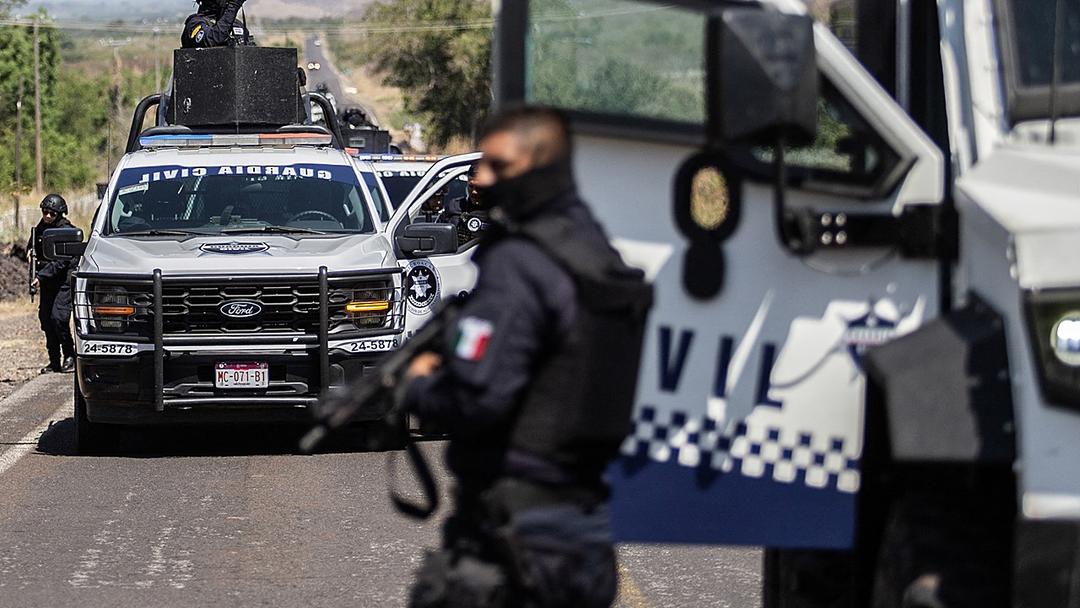
- Cartel violence has long plagued Mexico, with retaliatory spikes often following high-profile takedowns — most notably after the failed 2019 attempt to detain Ovidio Guzmán López, son of Sinaloa Cartel leader Joaquín "El Chapo" Guzmán, and again after his eventual recapture in 2023. According to official data, there were thousands of homicides linked to organized crime every year over the past two decades.
- Anti-drug strategies have historically cycled between militarized crackdowns and a pattern of tolerance with mixed results. Over the past two decades, government approaches included Felipe Calderón's offensive against cartels, Enrique Peña Nieto's focus on reducing violence while continuing the kingpin strategy, Andrés Manuel López Obrador's "hugs, not bullets" policy and Claudia Sheinbaum's growing reliance on the military.
- The fight against drug cartels in Mexico is also deeply linked to the U.S., the main destination market for its narcotics and the origin of a large share of cartel firearms. The two countries have developed extensive security cooperation over the years, including intelligence sharing and joint law-enforcement efforts, though some disagreements have strained the relationship over time.


Sources Split
LEFT
CENTER
RIGHT
+7
+4
+3
+1
+3
+3

+2

+1
+1

+3
ESTAB
CRIT
CENTER
PRO
ESTAB
The Spin
Narrative A
Kingpin takedowns have repeatedly failed to dismantle criminal groups, merely causing them to reshuffle. Removing a boss does not eliminate trafficking routes or drug demand. Rather, it triggers succession struggles, splinter violence and opportunism from rivals — "El Mencho" himself rose to power through this cycle of enforcement and cartel reorganization. Mexico must combine targeted enforcement across the full criminal structure with a serious assault on corruption and stronger judicial capacity, while the U.S. works to curb demand within its borders.


Narrative B
Kingpin takedowns carry real risks, but they can create critical openings for authorities to apply sustained pressure on successors, financial networks, and political enablers — ultimately breaking the cartels. Evidence shows that violence spikes tend to be concentrated and time-limited: a manageable cost if governments move decisively to exploit the resulting damage to cartel command structures, internal connections, and large-scale trafficking operations. This is why the approach should not be dismissed out of hand.


Establishment-critical narrative
Washington has for decades exported the conditions that make cartels possible while refusing accountability for its role. American demand sustains the cartel economy; lax U.S. gun laws arm it; and American financial institutions have repeatedly been implicated in laundering its profits. As long as the U.S. treats the crisis as a Mexican law-enforcement failure rather than a shared problem rooted in its own markets and policies, no strategy on either side of the border will succeed.

Cynical narrative
The cartel "threat" is a fiction jointly authored by Mexican and U.S. elites to justify militarization, suppress dissent and clear resource-rich land for corporate extraction. Traffickers have always been subordinate to the state, not separate from it. The endless cycle of crackdowns, corruption scandals and policy pivots isn't failure — it's the system functioning exactly as designed, with organized crime serving as permanent political cover.
The Formation of Cartels in Mexico
Drug trafficking organizations in Mexico did not emerge in a vacuum.
They grew from a century-long accumulation of agricultural traditions, geopolitical circumstances, institutional corruption and deliberate policy decisions that normalized the drug trade long before the term "cartel" existed.
Chinese immigrant communities who settled in the northwestern and mountainous states of Chihuahua, Durango and Sinaloa as major railway lines were completed through the so-called Golden Triangle are considered to be the ones who introduced opium poppy cultivation practices to Mexico in the late 19th century. In the aftermath of the Mexican Revolution, weak state control allowed production to spread largely unchecked and become a multigenerational livelihood and a cultural fixture in the region.
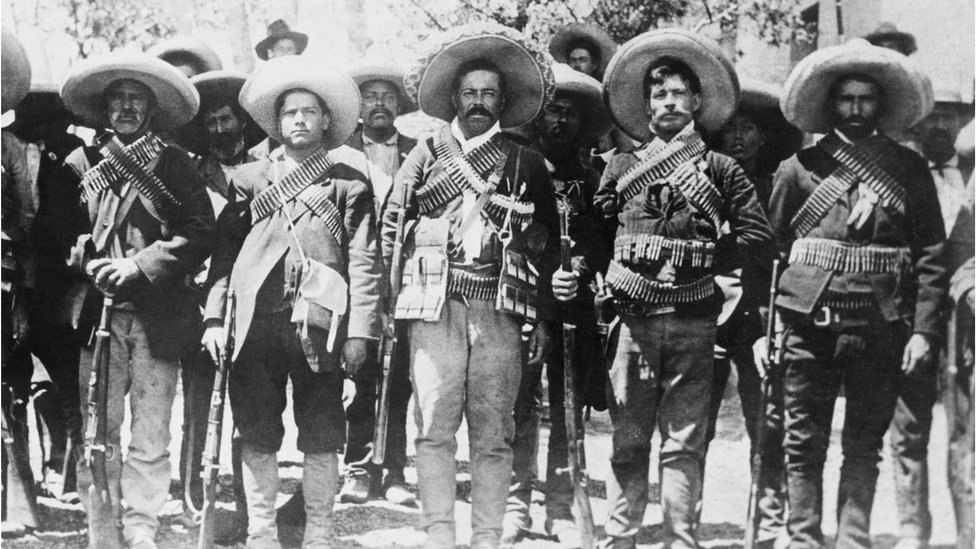
Small-scale traffickers began transporting opium and marijuana across the U.S.-Mexico border in the early 20th century to meet growing American demand as prohibition policies in the U.S. had moved consumption underground and created a lucrative cross-border black market. Even after Mexico criminalized drug production and trafficking, enforcement in the country remained selective.
It was during World War II that the opium industry in the Golden Triangle shifted to large-scale, organized production, in response to a surge in the Allies' demand for morphine amid critical shortages after Japan disrupted Southeast Asian supply lines and with alleged direct U.S. support for Mexican growers to ramp up supply. This demand collapsed after the war, causing production networks to pivot back to the black market, now with far greater organizational capacity than before.
With drug trafficking embedded in local political and security structures, authorities tolerated limited smuggling in exchange for bribes and political loyalty, allowing groups to grow more organized without constant enforcement.
During the 1960s countercultural revolution, a boom in U.S. demand for drugs supplied through Mexico pushed local traffickers to scale up operations, expanding both production and smuggling routes. Large profits strengthened criminal groups, transforming local enterprises into a capital-rich industry, and began to shift the balance of the relationship between officials and criminals.
Mexico launched a large militarized drug eradication campaign in the Golden Triangle, dubbed Task Force Condor, in the late 1970s, destroying poppy and marijuana fields, temporarily disrupting drug supply.
Rise of Cartels
The crackdown, however, paradoxically strengthened and urbanized the networks they sought to destroy, pushing operators to relocate to cities elsewhere in the country and consolidating them into larger and more coordinated organizations.
Key Sinaloa traffickers — Miguel Ángel Félix Gallardo, alias "El Padrino," Rafael Caro Quintero, and Ernesto Fonseca Carrillo, alias "Don Neto" — moved to Guadalajara and consolidated Mexico's fragmented and regional drug-trafficking networks in the early 1980s, sharing contacts and protectors, coordinating routes across the country and establishing partnerships with Colombian suppliers, including Pablo Escobar's Medellín Cartel, to smuggle cocaine into the U.S. at a time when law enforcement intensified pressure on routes through Florida.
In parallel, another powerful trafficking structure operating largely outside the so-called Guadalajara Cartel, the Gulf Cartel, emerged in Matamoros, Tamaulipas, after Juan García Ábrego took over his uncle's smuggling networks and forged a partnership with Colombia's Cali Cartel to move cocaine into the U.S., charging suppliers a percentage of each shipment — often in product rather than cash — transforming the Gulf Cartel into a logistics business and shielding it from the financial risks of ownership.
The Guadalajara Cartel, or at least the concept of such a structure, collapsed as a consequence of the crackdown that followed the 1985 kidnapping and killing of U.S. Drug Enforcement Administration (DEA) agent Enrique Camarena in Guadalajara, but trafficking routes were divided among its top lieutenants — an act of decentralization that gave birth to modern cartels.


The Spin
Establishment-critical narrative
Mexico's cartels are a Washington-made crisis decades in the making. U.S. demand for drugs and its war on drugs have created a vast black market that made trafficking enormously profitable and encouraged corruption on both sides of the border, transforming local smugglers into powerful kingpins. Then, the U.S. beheading of the Guadalajara Cartel led to the formation of modern-day cartels.


Pro-establishment narrative
While U.S. drug prohibitions did create a lucrative market for Mexican traffickers, the rise of cartels is rooted in Mexico's own criminal and power dynamics rather than in external forces. Corruption at every level of government not only allowed small smuggling groups to grow and infiltrate law enforcement, but also allowed state officials to benefit from drug trafficking and even co-found the Guadalajara Cartel.
Narrative C
Neoliberal policies, especially NAFTA in 1994, devastated rural Mexico by flooding markets with subsidized U.S. corn and dismantling protections for small farmers. This triggered mass bankruptcies and desperation in states like Sinaloa, Michoacán and Guerrero, pushing thousands into opium poppy and marijuana cultivation — the only viable cash crop left. Cartels did not create this vacuum; they exploited one engineered by Washington and Mexican elites through “free trade” and austerity measures.

Cynical narrative
The "cartels versus the state" framing is a useful fiction. Mexican security agencies and the CIA didn't merely tolerate the Guadalajara Cartel — they helped build it, protected it and took a share of its profits. Crackdowns like Operation Condor were used by favored networks to eliminate rivals rather than dismantle the trade. Corruption wasn't a flaw in the system; it was the system.

Major Cartels
The collapse of the Guadalajara Cartel led to the proliferation of cartels in Mexico.
What followed was a decades-long process of splintering, absorption, alliance, betrayal and consolidation that produced the landscape of today: dominated by two mega-organizations, the Sinaloa Cartel and the CJNG, alongside a fragmented ecosystem of regional groups, breakaway factions and franchise affiliates.
The main successor organizations were the Sinaloa Cartel under the leadership of Joaquín Guzmán, alias "El Chapo," and Ismael Zambada, alias "El Mayo;" the Sonora Cartel under the leadership of Miguel Caro Quintero; the Tijuana Cartel under the leadership of Félix Gallardo's nephews and the Arellano Félix brothers; and the Juárez Cartel under Amado Carrillo Fuentes.
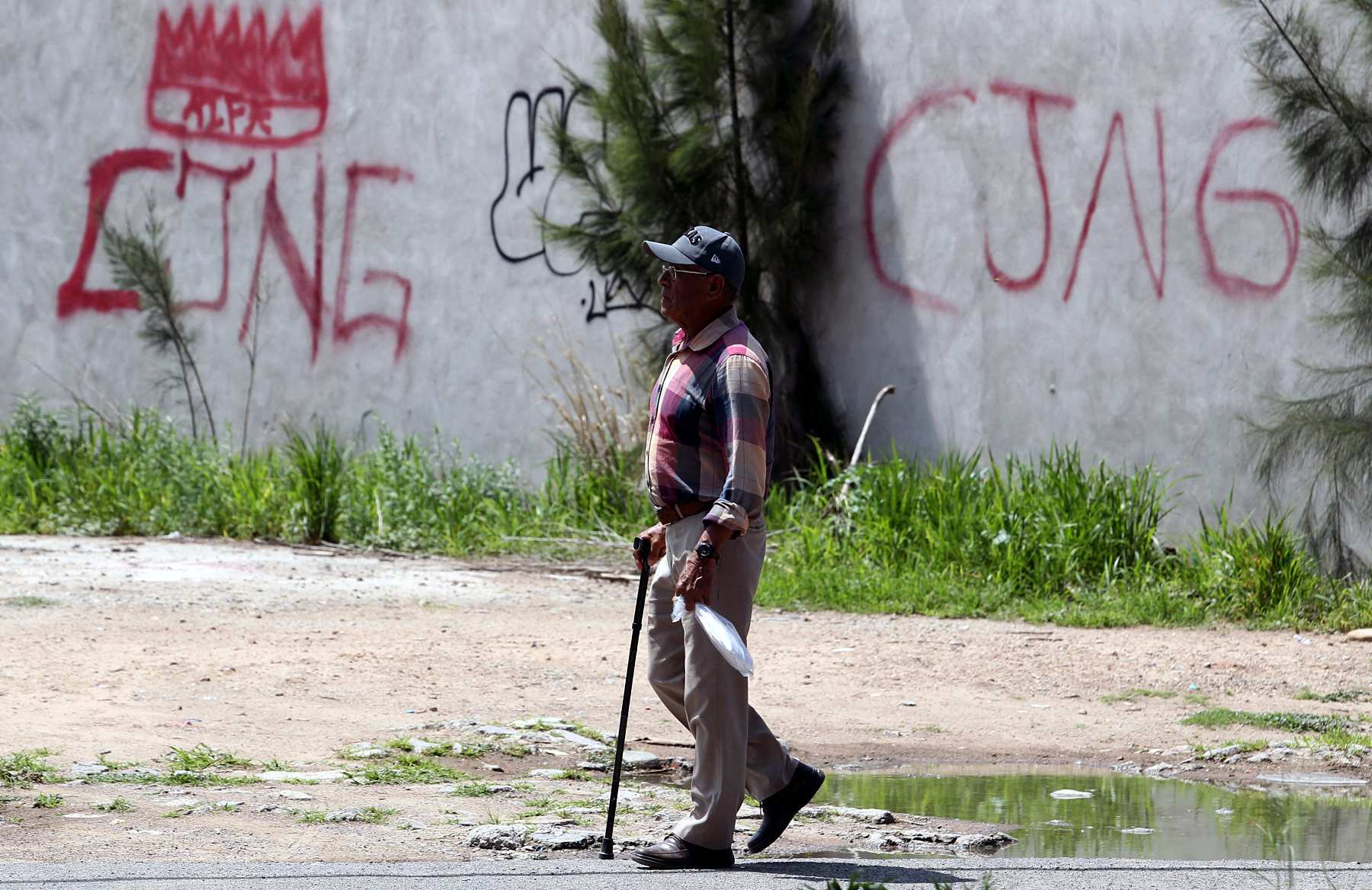
Additional factions eventually popped up, either from regional trafficking evolving into semi-autonomous organizations, as in the case of Sinaloa-affiliated Milenio Cartel, or from internal disputes, such as the Beltrán-Leyva Organization, a breakaway faction from the Sinaloa Cartel, and the Jalisco New Generation Cartel, a breakaway faction from the Milenio Cartel under the leadership of Nemesio Oseguera Cervantes, alias "El Mencho."
Other developments within the Guadalajara tree include the gradual weakening and eventual absorption of the Sonora Cartel and the Colima Cartel into the Sinaloa Cartel; the decline of both the Juárez Cartel and the Tijuana Cartel; the establishment of Beltrán-Leyva splinter groups Guerreros Unidos and Los Rojos after the death of the organization's leader; and the establishment of the Caborca Cartel in Sonora.
Today, the Guadalajara lineage is largely dominated by the Sinaloa Cartel and the CJNG. According to the DEA, they are the primary suppliers of illicit fentanyl to the U.S.
Gulf Cartel
After the arrest and extradition of García Ábrego to the U.S. in 1996, Osiel Cárdenas Guillén consolidated control and militarized the cartel with a group of defectors of the Mexican Army Special Forces that formed an enforcement arm called Los Zetas, a structural innovation in Mexican organized crime. In 2010, after the arrest and extradition of Cárdenas Guillén to the U.S., Los Zetas established themselves as an independent criminal organization.
Eventually, both the Gulf Cartel and Los Zetas further fragmented into regional factions and splinter groups, including the Cartel del Noreste, La Familia Michoacana, Los Caballeros Templarios and La Nueva Familia Michoacana, leaving neither as a dominant national actor.
Rivalries
The two lineages developed largely in parallel, with the Guadalajara lineage controlling Pacific and northwestern routes while the Gulf Cartel dominated the northeast, and internal tensions proved more destabilizing than existing rivalries between the two trees. A conflict between Sinaloa and Tijuana escalated into a full-blown war in the late 1990s, while the 2008 split of the Beltrán-Leyva Organization from Sinaloa — amid suspicions that El Chapo had betrayed one of the brothers to authorities — turned a core alliance into open war, pushing the BLO into an alliance with Los Zetas.
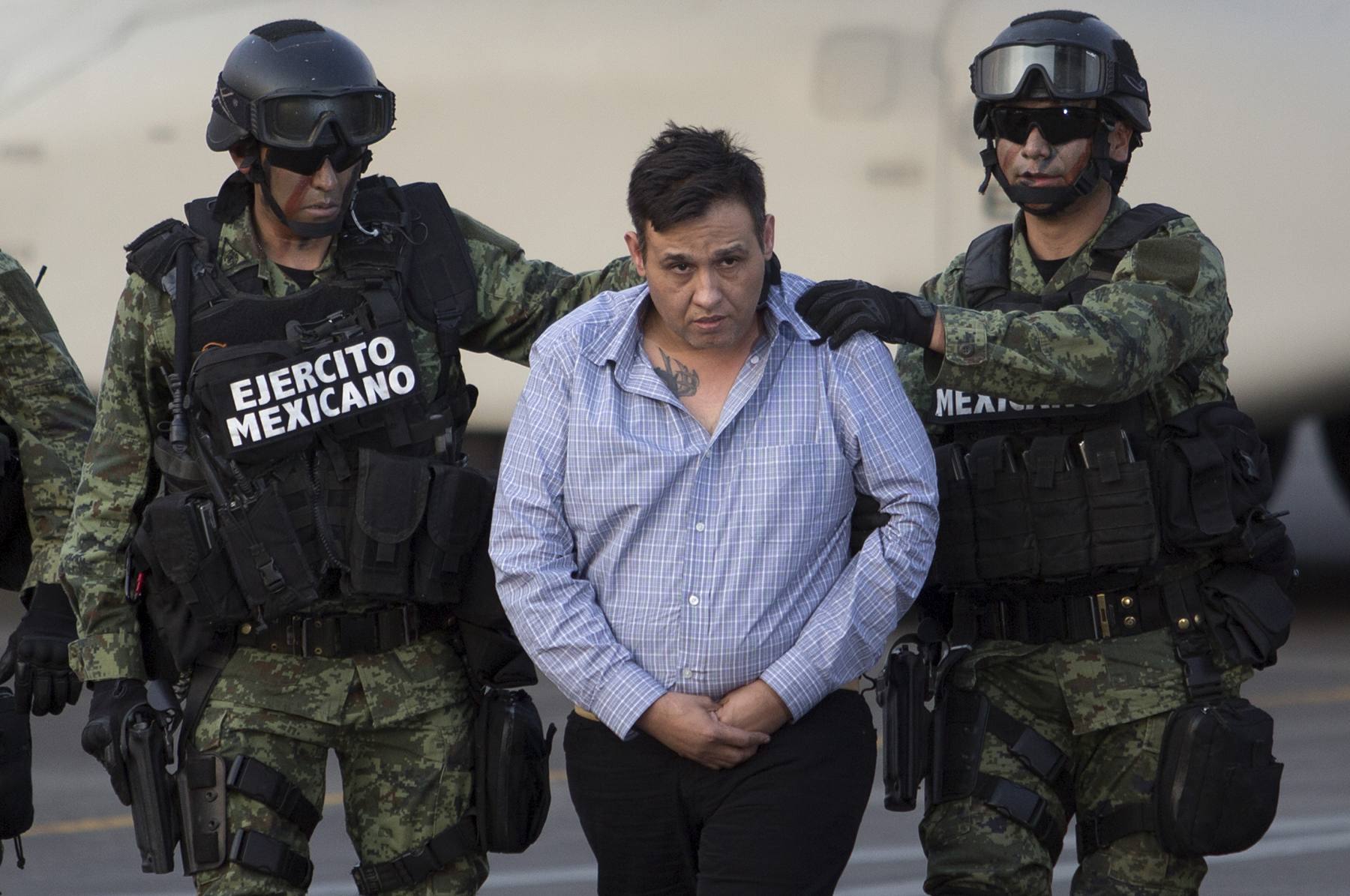
On the Gulf side, the Gulf Cartel sought outside support when Los Zetas formally broke away, prompting a broad realignment that saw the Gulf Cartel and former Zetas ally La Familia Michoacana together with Sinaloa against the BLO-Zetas axis, with multiple factions currently fighting for control of Tamaulipas.
Initially operating as the Sinaloa Cartel's anti-Zetas armed wing under the name Matazetas, the CJNG consolidated control of western Mexico in the power vacuum left by the Milenio Cartel, defeating pro-Zetas group La Resistencia. Leveraging a franchise model in which regional groups affiliate with the CJNG brand in exchange for access to its supply chains, protection and prestige, the Jalisco-based cartel expanded its presence outside its strongholds in the state, Colima and Nayarit, eventually coming to dispute territorial control over trafficking routes with Sinaloa, all without proportionally expanding its own payroll or management risks.
The Jalisco-Sinaloa rivalry has been in flux since 2024 as two factions of the Sinaloa Cartel, Los Chapitos and Los Mayos, entered open conflict after the arrest of Zambada, prompting unconfirmed claims that Los Chapitos and the CJNG had become allies before the death of El Mencho.
How Cartels Operate
Modern cartels have evolved into resilient, sprawling criminal enterprises.
They are no longer simple drug-trafficking operations as they have become highly militarized networks with pyramidal structure that control territory and operate across multiple states. Lookouts known as halcones, punteros and postas effectively serve as the intelligence system; armed enforcers provide security for shipments and carry out acts of violence; jefes de plaza oversee local drug trafficking, extortion and territorial defense; and patrones direct overall strategy, control alliances and manage finances. This basic structure allows them to continue operations even when top leaders have been arrested or killed.
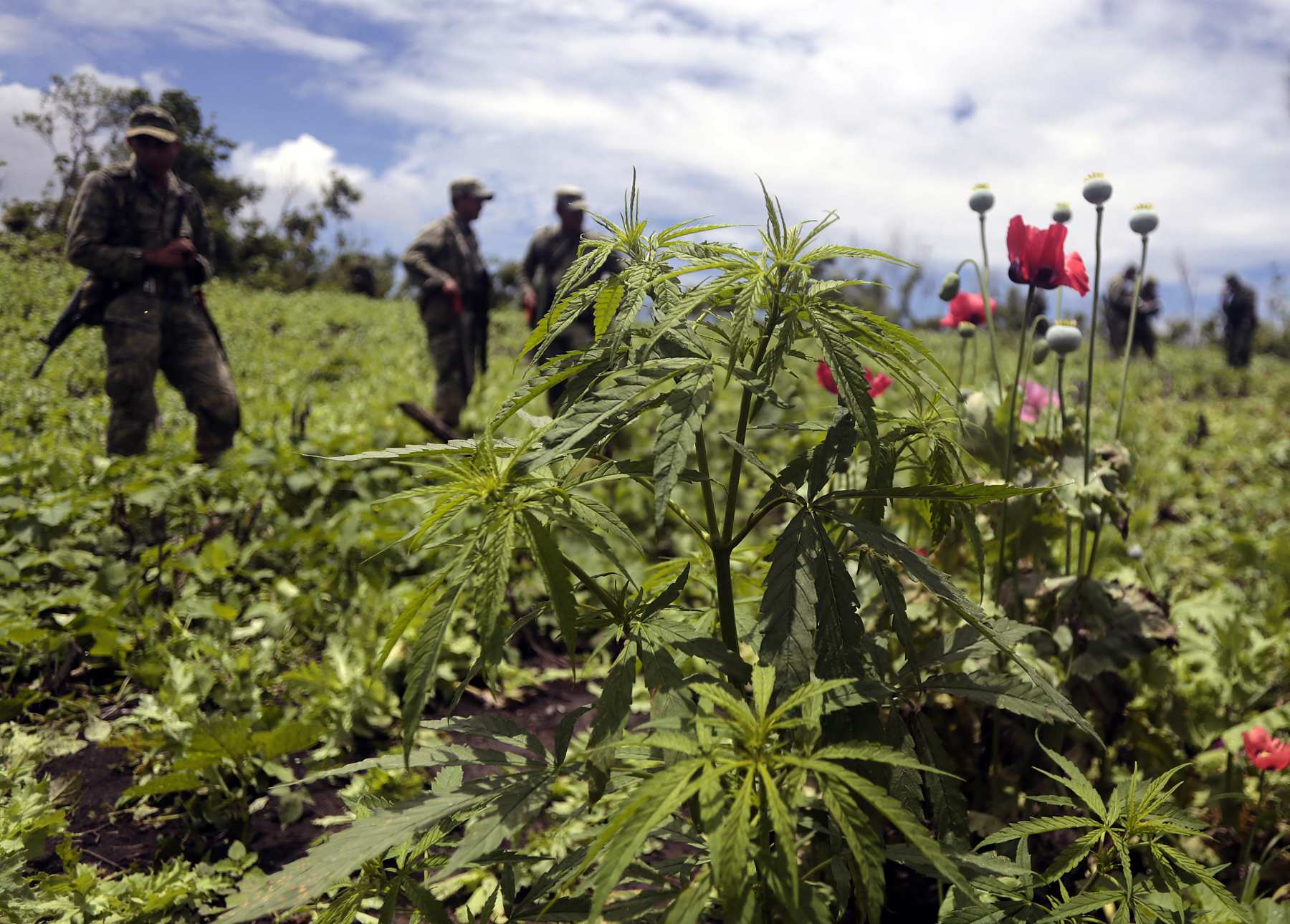
Cartels have moved from controlling limited areas and smuggling drugs to engage in extortion, human and arms trafficking, kidnapping, illegal resource extraction, fuel and cargo theft and money laundering, with fuel theft alone representing up to about a quarter of Mexico's annual fuel consumption over the past five years.
Drug Trade
Cartels control some plant-based drugs cultivation directly, binding poppy farmers through debt in Mexico's highland regions, and act as middlemen to move cocaine from Colombia, Peru and Bolivia north into the U.S.
With regard to synthetic drugs like methamphetamine and fentanyl, Mexico has replaced China as the main source of finished illicit fentanyl entering the U.S. after China tightened direct exports of the finished drug. Cartels now manufacture them in domestic labs using precursor chemicals sourced largely from Chinese networks.
The majority of product enters the U.S. through legal ports of entry hidden in commercial vehicles and cargo, supplemented by border tunnels, drones, aircraft and maritime routes using semi-submersibles — each managed by specialized cells that insulate the broader network from interdiction. Inside the U.S., wholesale cells in hub cities receive bulk shipments and break them down for regional distributors and local gangs, keeping the cartel itself removed from street-level exposure.
Profits flow back to Mexico through an increasingly sophisticated financial infrastructure. In the past, major Western banks such as HSBC were heavily involved; in 2012 the bank agreed to forfeit $1.256 billion to the U.S. Department of Justice after its failures allowed at least $881 million in drug trafficking proceeds — including funds from Mexico’s Sinaloa Cartel and Colombia’s Norte del Valle Cartel — to be laundered through HSBC Bank USA. No executives faced criminal charges.
More recently, Chinese underground banking networks have become the preferred channel, using trade-based schemes, mirror transactions, and bulk cash swaps to repatriate cartel profits while evading detection.
Cartels' Power
Revenue estimates for major cartels run into the tens of billions of dollars annually, a portion of which is reinvested into military-grade firepower, a steady supply of recruits and the corruption of the institutions meant to stop them.
Cartel arsenals range from pistols and rifles to machine guns and grenade launchers, sourced through cross-border trafficking from the U.S., diversion from military stockpiles and international black markets. Much of this flow begins with straw purchasing — legal retail buys in the U.S. transferred to traffickers who move weapons across the border — while heavier military-grade weapons, from belt-fed machine guns to grenade launchers, typically enter through theft, corruption or capture from military stockpiles.
They rely on a steady flow of recruits to sustain their operations, drawing members from local communities, street gangs and former members of the security forces. Children in particular have been targeted in economically marginalized regions to work in poppy fields because their small hands are better suited to lancing the delicate bulb, while adolescents are routinely pulled into cartel labor in drug labs, as lookouts, and into armed roles. In Mexico, minors face lighter punishment than adults if arrested, making them operationally convenient.
Among Mexico's leading employers, cartels deploy a portion of their profits to pay off corrupt officials — and coerce those who refuse, making assassinations of public servants and journalists relatively common. They operate as de facto rulers in some areas, enforcing their own laws, deterring investment and displacing local communities.
Cartels and the Mexican State
The relationship between cartels and the Mexican state is not simply one of predator and prey.
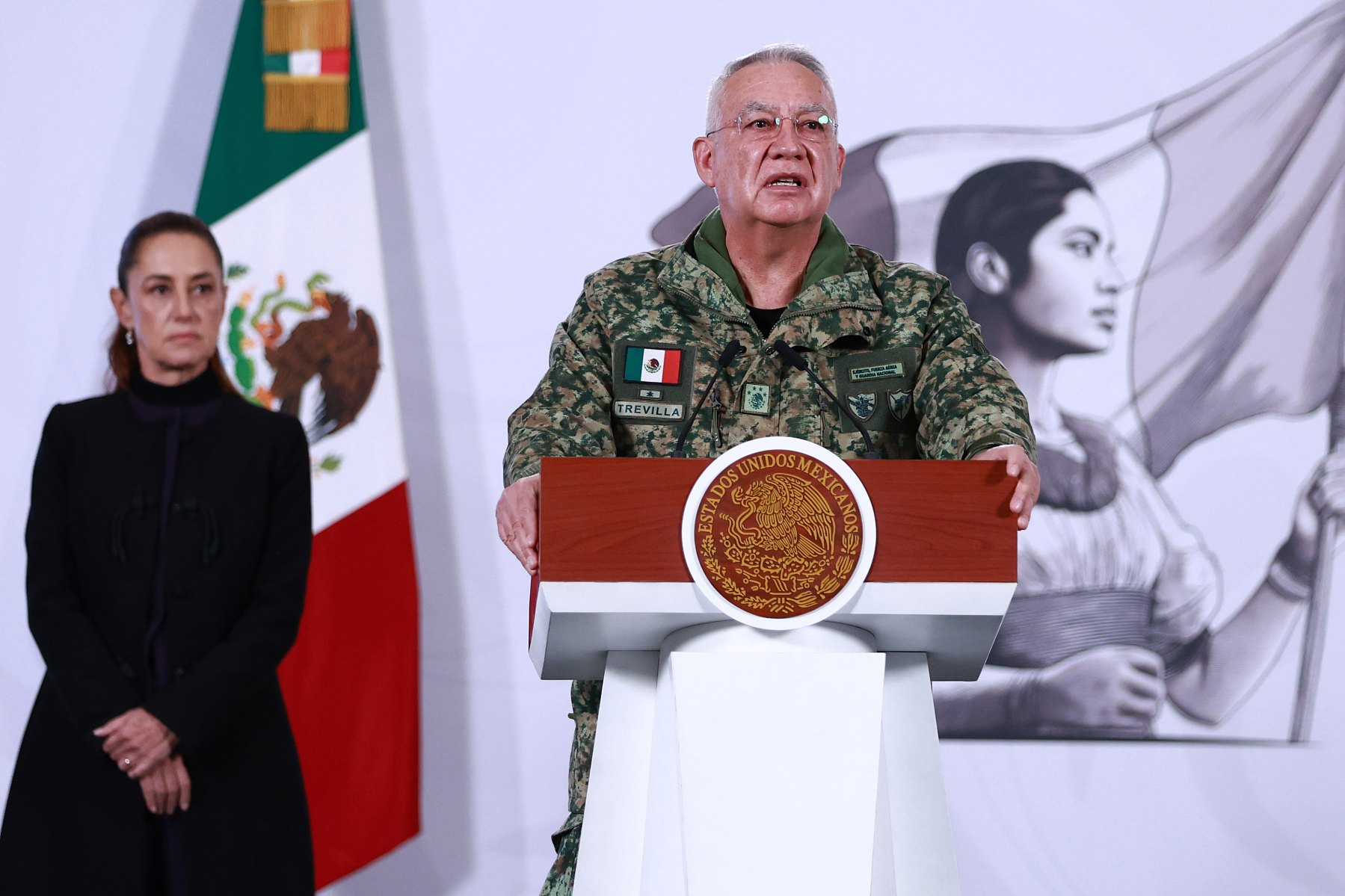
Cartels have infiltrated Mexican institutions at every level as a sustained and systematic investment. Penetration extends from local police forces to federal agencies, the judiciary and elected office. Corruption drove successive governments toward military solutions, on the assumption that the armed forces would prove more disciplined and harder to corrupt, but the military proved to be no exception.
Origins of Institutional Corruption
Mexico's institutional corruption dates back well before modern cartels, with senior officials at every level of government repeatedly implicated in protection arrangements with drug-trafficking networks. Conviction rates for defendants used to be extremely low and enforcement selective, with authorities managing drug trafficking instead of fighting it as the country's centralized political system allowed protection deals to be brokered at the top and enforced down the chain, limiting inter-cartel violence and keeping the drug trade relatively contained. When the government did act, notably in Operation Condor, the efforts were largely counterproductive.
Unofficial Arrangements Collapse
This structure eventually collapsed as cartels grew too powerful to be managed and central political control fragmented with the end of the Institutional Revolutionary Party (PRI)'s decades-long rule.
Within days of his inauguration in December 2006, former President Felipe Calderón deployed the military to his home state of Michoacán. This first offensive rapidly expanded into nationwide military campaigns lasting the entirety of his six-year term, the most aggressive escalation of state force against organized crime in Mexico's modern history.
Dozens of senior cartel figures were either killed, captured or extradited to the U.S. Yet corruption ran alongside the offensive, with Calderón's anti-drugs czar Genaro García Luna later convicted in New York of taking millions in bribes from the Sinaloa Cartel during his tenure.
His successor, Enrique Peña Nieto, promised a shift in approach, offering less military rhetoric, more institutional reform and a focus on reducing violence. However, the kingpin strategy continued largely unchanged. Under his administration, Mexico captured and recaptured Sinaloa Cartel leader El Chapo, ultimately extraditing him to the U.S.
Nonetheless, homicide rates, which had declined in Calderón's final years, rebounded and reached record highs. Allegations of top-level corruption undermining the effort from within persisted: Peña Nieto's secretary of defense, Salvador Cienfuegos, was arrested in the U.S. on cartel-related counts in 2020, only to be returned to Mexico with all charges dropped.
Andrés Manuel López Obrador took office in 2018 on an explicit rejection of his predecessors' approach, introducing a policy known as "hugs, not bullets" — focused on social investment to address poverty, inequality and lack of opportunity. Mexico deliberately de-escalated confrontations with cartels and reduced high-profile operations, but homicide rates remained at historic highs. His chosen successor, Claudia Sheinbaum, has maintained the broad "hugs, not bullets" framework while expanding the military's operational role in public security.
Human and Social Impact
The cartel crisis in Mexico has had severe humanitarian consquences.
Human and social costs, measured in lives lost, people disappeared, communities emptied, economies stunted and institutions silenced, are staggering in scale.
Homicides
Mexico has no precise count of cartel-related homicides. What official figures do show is that the country has recorded more than 463,000 murders since Felipe Calderón launched the military offensive against cartels in 2006. Over the past three-and-a-half decades, homicide rates went from 17.5 per 100,000 people in 1990 to a low of 8.2 in 2007, only to rebound to a peak of 29.5 in 2018 — among the highest ever recorded in a country not formally at war. Preliminary data indicate that there were 25.6 homicides per 100,000 people in Mexico in 2024.
Unofficial sources, such as Uppsala University's Uppsala Conflict Data Program (UCDP), the Institute for Economics & Peace's Mexico Peace Index and local news outlet Milénio, have offered different figures for organized crime-related murders. The UCDP said that there were more than 140,000 such crimes in Mexico between 1989 and 2024, while Milénio reported more than 160,000 cartel-related killings between 2009 and 2020 alone. According to the Mexico Peace Index, there were over 270,000 organized crime homicides in the country between 2007 and 2024.
Disappearances
The country has faced a disappearance crisis among the worst in the world, with government figures putting the number of disappeared or missing persons in Mexico as of March 2026 at more than 130,000, with people going missing primarily over the past two decades — with an over 200% increase from 2015 to 2025. This comes as drug cartels and other criminal organizations resort to forced recruitment and concealment of killings, though security forces are also blamed for disappearances.
Mexico's vast network of clandestine graves, which are discovered by the hundreds annually, many containing dozens of bodies, reflects how systematically disappearances are used to conceal evidence of killings, with forensic identification so overwhelmed that many victims remain unidentified for years
Displacements
According to the Internal Displacement Monitoring Centre, at least 390,000 people were internally displaced in the country between 2008 and 2023 due to conflict and criminal violence. Meanwhile, official sources indicate at least 117,000 violence-related internally displaced people between 2016 and 2021 and that over 1.7 million people left their homes in 2018 alone. Mexico's National Institute of Statistics and Geography (INEGI) reports that more than one-quarter of the municipalities in the country have seen a plunge in their population over the past two decades, becoming ghost towns. Indigenous and rural communities have been disproportionately affected by cartel territorial expansion.
Economics
Cartel violence in Mexico is estimated to cost the country billions of dollars every year. According to the Mexico Peace Index, the economic impact in 2024 totaled 4.5 trillion Mexican pesos ($245 billion), 3.4% up from 2023 in the first reported increase since 2019, an amount equivalent to 18% of the country's GDP. Estimated costs include direct and indirect costs of homicides, as well as government spending on the security and justice sector, costs of other criminal activities and of private security measures, and opportunity costs. The figure puts the economic toll of cartel violence in rough equivalence with the entire output of Peru and exceeds the GDP of more than 130 countries worldwide.
Social Costs
Other costs include cartel violence forcing schools to suspend classes and reducing student enrollment, causing post-traumatic stress disorder in many individuals and prompting people to stop frequenting certain places out of fear. Studies further associate widespread violence in Mexico with greater likelihood of suicide attempts, alcoholic liver diseases and depressive symptoms, especially among victimized adolescents.
Press freedom and the flow of information have been severely undermined in Mexico, which has long been ranked as the most dangerous country for journalists in the Western Hemisphere. They face persistent threats, intimidation and killings, often linked to organized crime and corrupt officials fostering a pervasive climate of fear intended to silence coverage, encourage self-censorship and weaken democratic accountability over cartel activity and state responses.
Landmark Episodes of Cartel Violence
More than just the raw figures, specific events became milestones of cartel violence.
One of the earliest landmark episodes of organized cartel violence on record is the 1984 Clínica Raya Massacre in Matamoros, when gunmen invaded the medical facility at the direction of Gulf Cartel leader Juan García Ábrego to kill his rival Casimiro Espinoza, alias "El Cacho." That same year, renowned investigative journalist Manuel Buendía was shot dead in Mexico City after years exposing government corruption and ties with drug traffickers.
In early 1985, three Americans were killed in Guadalajara in the wake of a raid on Rafael Caro Quintero's $160 million El Búfalo marijuana plantation in Chihuahua. Two of them were mistaken for DEA agents and kidnapped after wandering into Caro Quintero's La Langosta restaurant, and Kiki Camarena, the agent who tipped Mexican authorities, was abducted outside the U.S. Consulate in the city.
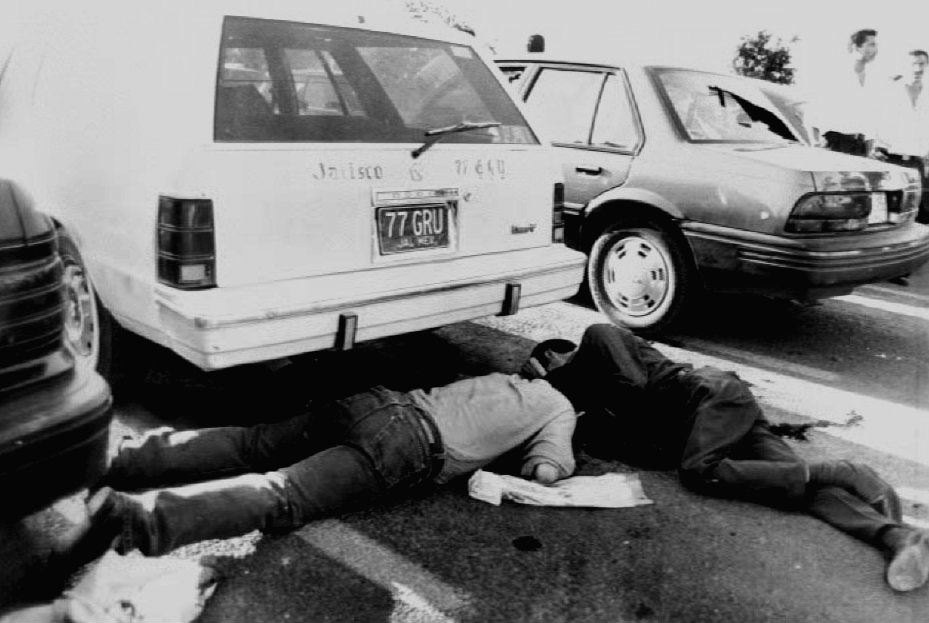
High-profile incidents in the 1990s that have been linked to some extent to cartels include the 1993 killing of Cardinal Juan Jesús Posadas Ocampo and six others in the parking lot of the Guadalajara International Airport — in an alleged Tijuana Cartel assassination attempt against Sinaloa's El Chapo, an explanation that the Catholic Church has never accepted — and the 1994 assassination of PRI presidential hopeful Luis Donaldo Colosio during a rally in Tijuana, for which the conviction of a lone gunman failed to calm suspicion of an inside job and cartel involvement.
Escalation of Violence in the 2000s
The arrest of Gulf Cartel leader Cárdenas Guillén in 2003 set off a battle for Nuevo Laredo, Tamaulipas, the most lucrative drug corridor into the U.S., as the Sinaloa Cartel sought to seize control over the plaza and Los Zetas, still the Gulf's enforcement arm, fought to hold it. The violence in Nuevo Laredo in the following years was without precedent — homicides in the city tripled in two years and Nuevo Laredo police chief Alejandro Domínguez Coello was killed with more than 30 shots on his first day in office.
President Vicente Fox deployed troops to the city that had been functioning in a state of near-total impunity for months. A nationwide military offensive against drug cartels was launched only when Calderón took office. The trigger was members of La Familia Michoacana rolling severed human heads onto the dance floor of a nightclub in Uruapan, Michoacán, in September 2006.
Two grenades were thrown into a crowd celebrating Mexico's Independence Day in 2008 in the central plaza of Morelia, Michoacán, killing eight people and wounding more than 100.
Between 2008 and 2011, Ciudad Juárez, the country's largest border city, was turned into the world's most violent urban area — annual homicides peaked at over 3,000 — as Sinaloa Cartel launched a sustained offensive to seize the city from the Juárez Cartel. At its worst, the city recorded roughly eight murders a day. Entire neighborhoods were emptied, businesses closed permanently and an estimated 230,000 residents fled across the border to El Paso.
Buses carrying undocumented migrants bound for the U.S. were systematically hijacked in Tamaulipas with the support of local police, with at least 72 people killed in 2010 and 193 in 2011. The victims, mostly from Central America, were targeted by the Zetas for forced recruitment into cartel ranks. Those who refused or were deemed too old were executed.
Casino Royale in Monterrey, Nuevo León, was set on fire in broad daylight by men who arrived in vehicles, doused the building's exits with gasoline and left before firefighters could respond after owners refused to pay a weekly extortion fee. Fifty-two people died in the attack.
Peña Nieto and López Obrador's Stratedgy
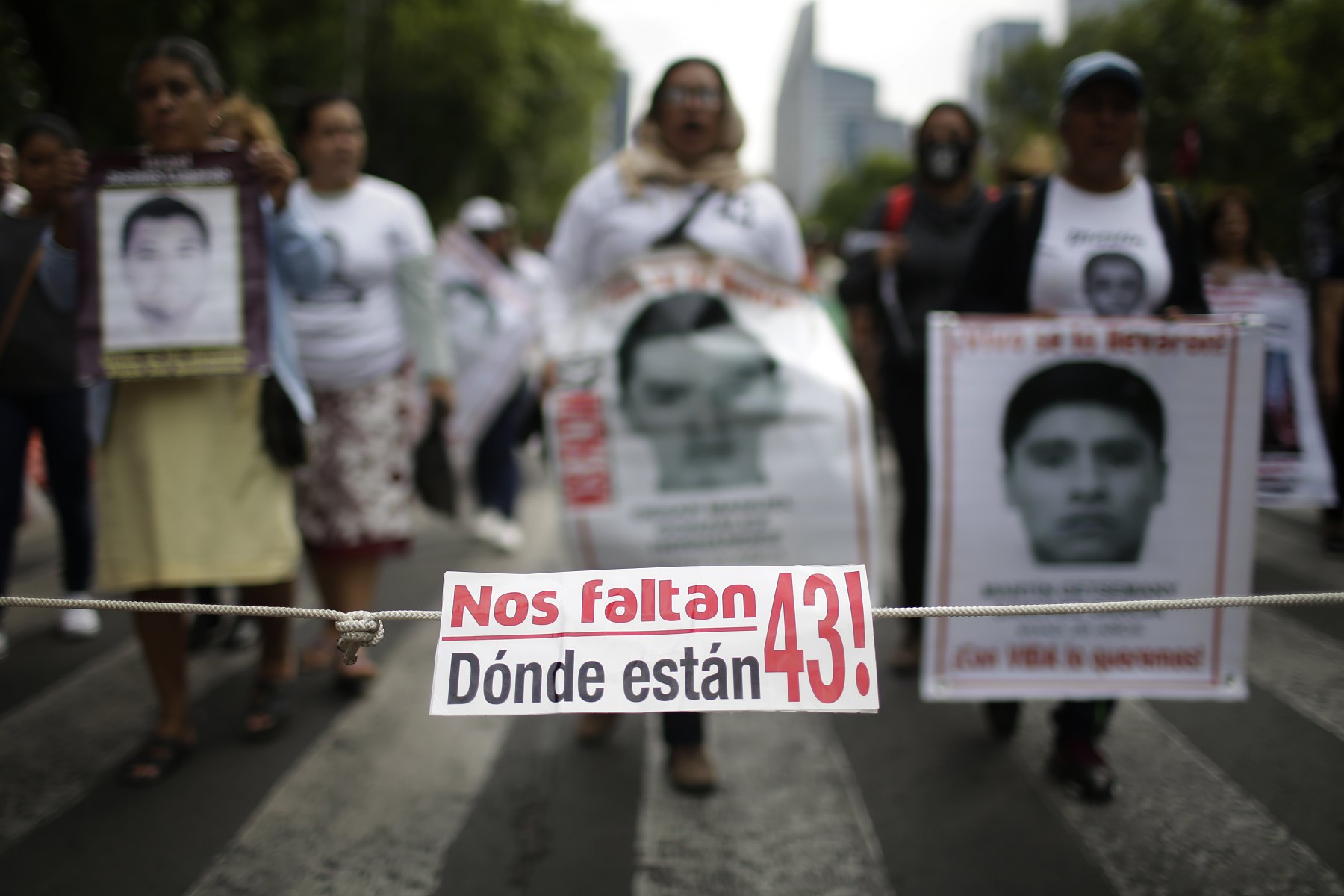
The kingpin strategy under Peña Nieto splintered cartels without destroying them, leaving states like Guerrero in near-collapse, with local government and police thoroughly compromised. In 2014, local police in Iguala colluded with the Guerreros Unidos cartel to seize and kill 43 male students from the Ayotzinapa Rural Teachers' College who were in the city soliciting funds to travel to Mexico City to attend a march commemorating the 1968 Tlatelolco massacre.
The episode has been described as a case of state-sponsored terrorism with participation of military personnel. Other cases include the CJNG ambushing a Jalisco State Police convoy in 2015, killing 15 officers, and shooting down a military helicopter days later, killing nine soldiers.
General elections in 2018 were the deadliest on record at the time, with more than 130 candidates and public officials killed nationwide. López Obrador took office but his "hugs, not bullets" policy brought no respite.
After soldiers arrested El Chapo's son and senior Sinaloa Cartel leader Ovidio Guzmán López in Culiacán in response to a U.S. extradition request in November 2019, hundreds of cartel gunmen seized soldiers and attacked military installations across the city in a retaliatory attack that succeeded in releasing Guzmán López — he would be recaptured four years later and then extradited to the U.S. despite further violence.
Additionally, gunmen associated with the Jalisco cartel attempted to assassinate Mexico City police chief Omar García Harfuch in a daylight attack on a major Mexico City avenue in June 2020, wounding him and killing three others, while an internal war between two factions of the Sinaloa Cartel broke out in September 2024 causing homicides in the state of Sinaloa to go up.
Sheinbaum's Stratedgy
With Harfuch as national security secretary, Mexico has, under the leadership of Sheinbaum, dismantled hundreds of clandestine drug laboratories, extradited over 100 cartel operatives to the U.S. and reported a 25% drop in homicides nationwide in the first year, though violence persists in Sinaloa and nationwide disappearances continue to the rise.
The single highest-profile security achievement of her presidency so far, and the highest-profile blow against the cartels since the capture of El Chapo a decade earlier, was the killing of CJNG leader El Mencho on Feb. 22, 2026. Mexican special forces with the support of U.S. intelligence raided a gated residential compound in the mountain town of Tapalpa, Jalisco, acting on surveillance of one of the cartel leader's romantic partners who had led them to his location. El Mencho and two bodyguards fled into a wooded area where they were wounded in a firefight — all three died en route to a hospital.
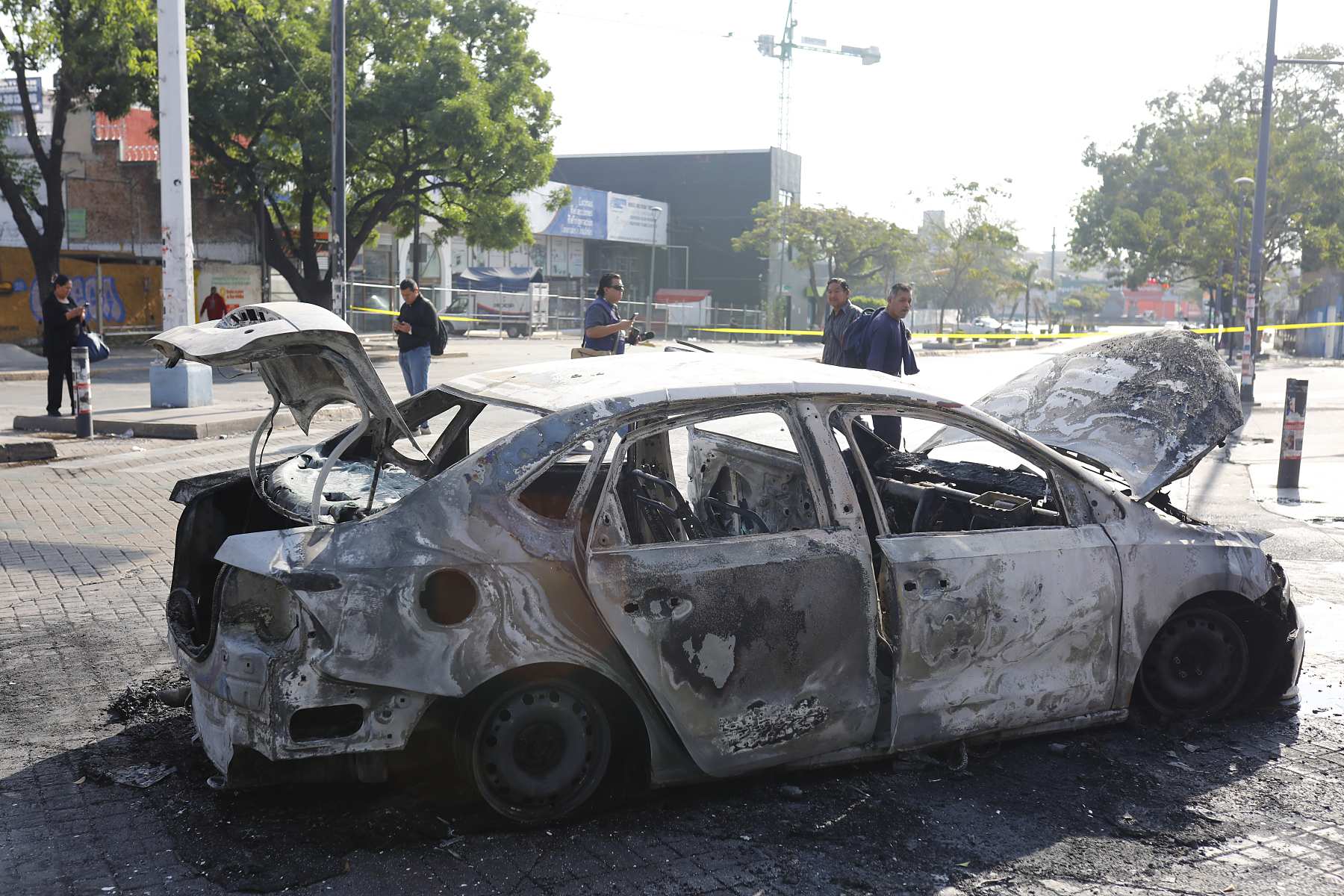
The retaliation to his arrest was immediate and coordinated: cartel gunmen set up around 250 roadblocks across most of Mexico's 32 states within hours, torching vehicles and attacking businesses across Jalisco and beyond, emptying Guadalajara's streets, disrupting airports and prompting the government to deploy 10,000 troops. More than 70 people died, including 25 National Guard members, before order had been restored.
International Response
The U.S. has been the most engaged and influential external actor in Mexico's drug conflict.
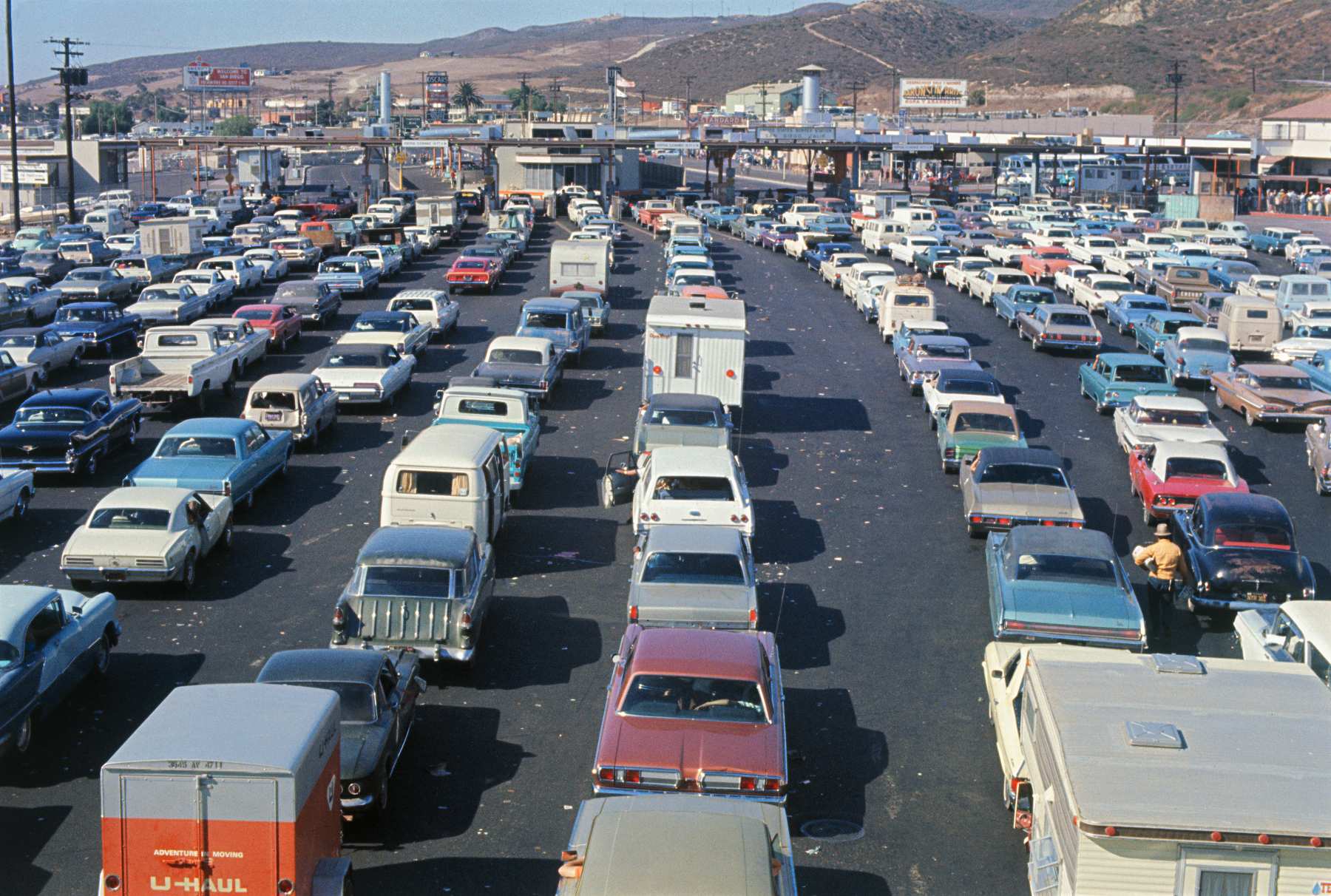
Until 1969, Washington's involvement was limited, sporadic and low-intensity, focused mostly on diplomatic pressure, regulation and small-scale joint eradication raids. The first major U.S. intervention in Mexico with regard to drugs was Operation Intercept, a unilateral near-shutdown of the U.S.-Mexico border that foreshadowed Richard Nixon's War on Drugs, and subsequent operations in the 1970s. At the time, mutual distrust hampered joint efforts.
Murder of Kiki Camarena
When DEA agent Kiki Camarena went missing in 1985, the Reagan administration ordered a days-long partial border shutdown to try to intercept information or persons with knowledge of his whereabouts and put pressure on Mexico to track him down.
After Camarena was confirmed dead, the DEA launched Operation Leyenda, its largest-ever homicide investigation, and pushed Mexico to target drug lords, exposing systemic corruption among local officials. Under the 1986 Anti-Drug Abuse Act, U.S. foreign aid was tied to counternarcotics performance and a certification system to penalize non-compliant countries was created. This period also saw the institutionalization of bilateral cooperation, including intelligence sharing, joint investigations and extraditions.
As part of Operation Leyenda, Dr. Humberto Álvarez Machaín, suspected of keeping Camarena alive so he could be tortured, was abducted and brought to the U.S. to stand trial in 1990. The U.S. Supreme Court upheld the legality of the abduction in 1992, establishing a precedent that the U.S. could assert criminal jurisdiction over individuals forcibly removed from foreign soil without an extradition treaty, in a ruling that triggered protests from Mexico. Álvarez Machaín was ultimately acquitted of the charges and returned to his country.
U.S.-Mexico Cooperation in the 2000s
In 2008, the U.S. launched the Mérida Initiative, a multi-billion-dollar framework of shared responsibility through which Washington supplied Mexico with military equipment, training, intelligence support and institutional assistance. U.S. agencies expanded their operational presence in Mexico, and dozens of high-profile cartel leaders, including El Chapo, were transferred north for prosecution.
Bilateral cooperation strained as López Obrador scaled back direct confrontations with cartels and imposed restrictions on foreign agents, effectively bringing the Mérida Initiative to an end in 2021. These constraints included requiring DEA agents to obtain explicit Mexican government authorization before conducting operations and sharing intelligence only through designated Mexican channels, significantly reducing the flow of actionable intelligence between the two countries.
In 2025, on his first day back to the White House, Donald Trump signed an executive order directing his administration to designate major cartels as Foreign Terrorist Organizations and Specially Designated Global Terrorists. Secretary of State Marco Rubio formally did so in February, citing their role in fentanyl trafficking and violence, in a move that increased pressure on Claudia Sheinbaum.
This designation allows U.S. prosecutors to charge anyone knowingly providing material support to designated groups, creates secondary sanctions risk for foreign financial institutions and adds immigration enforcement tools.
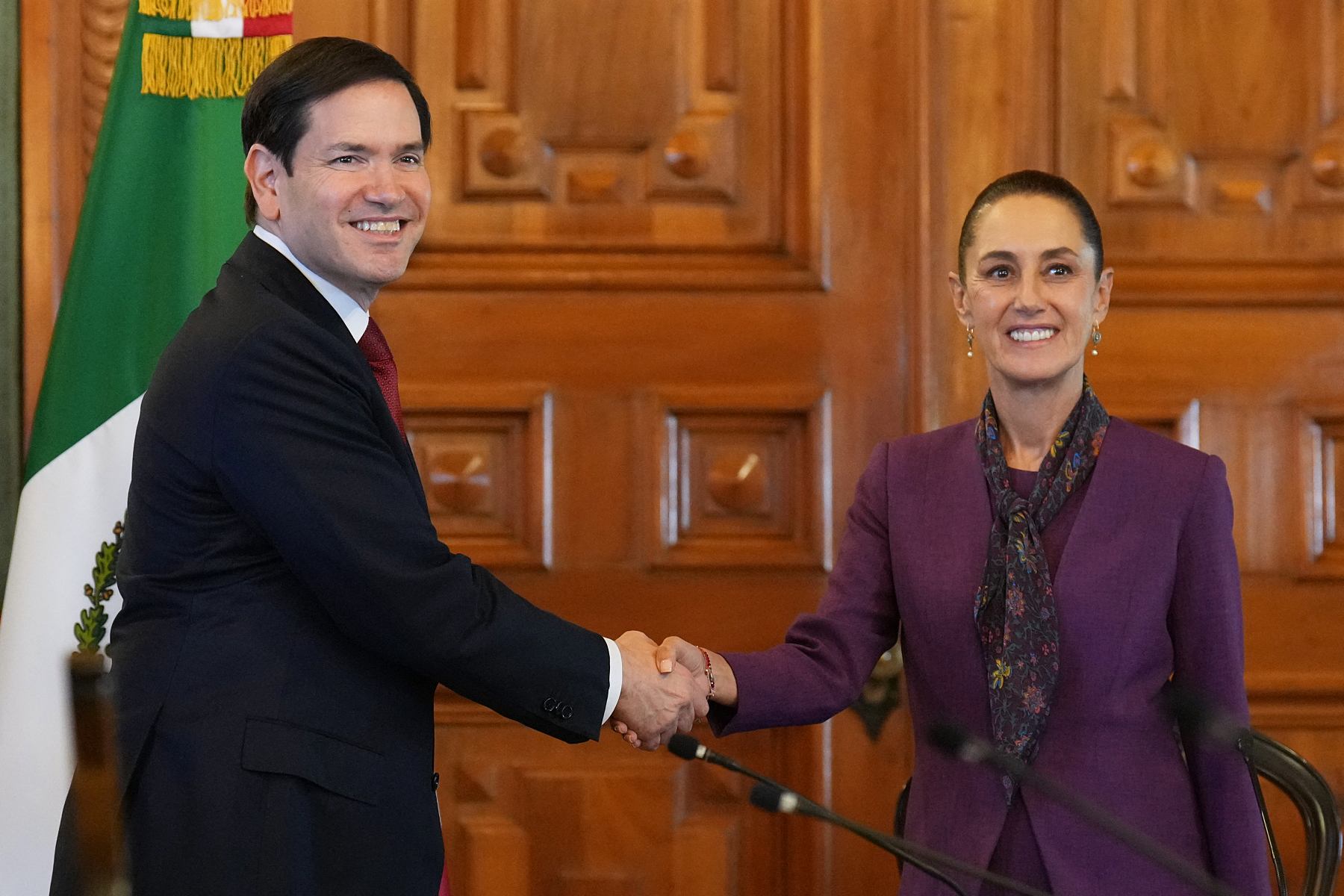
Sheinbaum has reaffirmed Mexico's sovereignty and opposed unilateral U.S. action, but high-profile extraditions, including that of Rafael Caro Quintero, and the U.S.-backed operation that killed El Mencho indicate intensified cooperation under tariff pressure and broader counternarcotics leverage.
Other International Actors
As the primary source country for the cocaine that Mexican cartels traffic, Colombia has long shared intelligence, coordinated extraditions and provided counterinsurgency and intelligence training to Mexico, though there is no bilateral security framework.
China, the main source of the precursor chemicals that cartels use to manufacture fentanyl, maintains minimal law enforcement cooperation with Mexico, insisting that it's up to Mexico to solve the issue. Under sustained U.S. diplomatic pressure, however, Beijing agreed in 2025 to place export controls on more than a dozen designated precursors.
Canada and European countries have grown increasingly entangled in Mexico's drug conflict as cartels diversified their drug-trafficking routes and became active in their territories, even establishing methamphetamine labs there. They responded institutionally, with the EU coordinating law enforcement operations, channelling assistance to support institution-building and investigating capabilities in Mexico. Canada listed several Mexican cartels as terrorist entities under the Criminal Code in 2025.
Meanwhile, the U.N. has focused efforts on institution-building, anti-corruption capacity and precursor chemical regulation through its Office on Drugs and Crime (UNODC), and coordinated multinational enforcement actions across Latin America such as the 2025 Operation PUMA.
Alternative Claims
The conventional portrayal of Mexican cartels as fully autonomous criminal organizations locked in constant rivalry with the state has come under scrutiny — some argue the reality is far more complex, with the boundaries between organized crime and political power often blurred.
The historical record supports this skepticism. Drug trafficking organizations operated for decades within a system of institutionalized corruption that functioned less like a crime-versus-state conflict and more like an informal regulatory arrangement, allowing cartels to cultivate wide networks of corrupt officials, gain protection, distribution rights and market access in exchange for limiting violence and maintaining a degree of social order.
Cartels have never sought to evade or overthrow the state. Rather, they have increasingly worked to capture its agents at the local level — infiltrating municipal governments, police forces and judicial institutions, and using electoral cycles as moments to renegotiate protection arrangements.
Existence of Cartels
Writer Oswaldo Zavala has claimed that the very concept of "cartels" oversimplifies reality, masking fragmented networks that operate in close and sometimes cooperative relationships with state institutions. From this perspective, the dominant narrative of powerful, independent cartels is intended to obscure the role of government actors in shaping patterns of violence.
This symbolic construct would serve specific purposes of the governments of Mexico and the U.S., diverting attention from official complicity and toward a demonized criminal "other" that can be fought, militarized against and used to justify emergency powers.
He further argues that the media and cultural industries are key enablers of the cartel myth, reproducing the official narrative largely uncritically and generating a cultural landscape in which the image of the omnipotent narco boss has become so entrenched as to preclude serious scrutiny of state involvement.
Killing of Kiki Camarena
Former DEA agent Héctor Berrellez and ex-CIA contractor Tosh Plumlee have alleged that CIA operatives participated in the interrogation and torture of Kiki Camarena because he had uncovered the agency's use of Guadalajara Cartel networks to move cocaine and weapons to fund the Contras in Nicaragua. According to the witnesses, the CIA ordered the hit, then pinned it solely on Rafael Caro Quintero as cover.
While the official conclusion attributed the murder to Caro Quintero as an act of revenge for the El Búfalo raid, Berrellez reached a different conclusion in the course of Operation Leyenda — in which 23 of his sources were ultimately murdered — as multiple witnesses had identified a CIA operative present at the torture session questioned Camarena specifically about what he knew regarding CIA involvement in drug smuggling and the Contra supply network.
When Berrellez brought his findings about CIA involvement to his DEA superiors, he was told to drop the investigation, reassigned to a desk job in Washington and ordered to cut contact with all his sources. Meanwhile, Plumlee claimed that he was told that Camarena would do nothing about operations to fly cocaine into U.S. military bases on return legs of Contra supply flights.
Killing of Posadas Ocampo
The 1993 shooting of Cardinal Posadas Ocampo, Archbishop of Guadalajara, at Guadalajara International Airport has never been solved, and the official version has been formally discredited as forensic analysis concluded that his body had been hit by 14 bullets, fired from fewer than three feet away.
The Catholic Church has argued that the murder was ordered from within the inner circle of President Carlos Salinas de Gortari, amid rumors that the cardinal had uncovered information linking senior politicians to the drug trade and prostitution rings, while El Chapo has maintained that the government used identification he left behind at the airport as he sought cover from the crossfire to incriminate him.
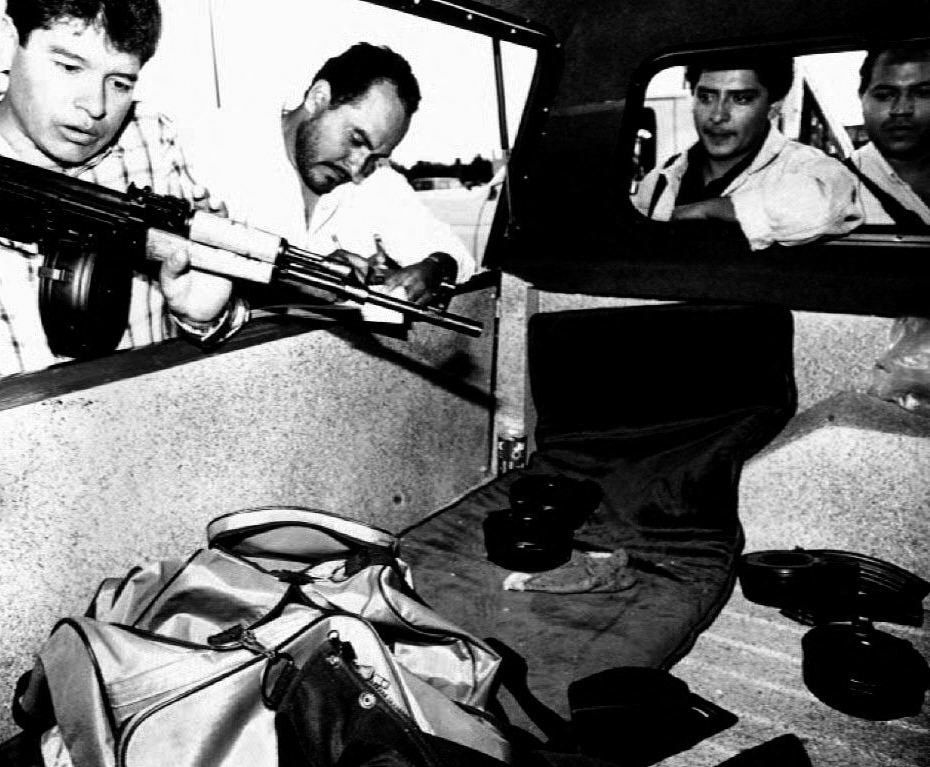
The case was examined in hearings before the U.S. House Committee on International Relations in 2006, where Cardinal Theodore McCarrick, Archbishop of Washington, testified that the circumstantial evidence cast doubt on the accidental crossfire theory and Posadas was a fearless institutional critic who had named those in authority complicit in the drug trade.
No one has ever been imprisoned for the cardinal's killing and the case remains open.
Allegations of Cooperation With Sinaloa Cartel
There have been reports of dozens of secret meetings between DEA agents and Sinaloa Cartel members in Mexico — without knowledge of local authorities — in which U.S. officials agreed to grant them carte blanche to continue smuggling drugs into the U.S. as well as arrest protection to its leadership and access to thousands of weapons in exchange for intelligence on rival organizations. Mexico faces similar speculations as its former drug czar García Luna has been convicted in the U.S. for assisting the Sinaloa Cartel in exchange for millions in bribes.
The most detailed account of the U.S. side came through the 2011 federal court filings of Jesús Vicente Zambada-Niebla, son of Sinaloa co-founder El Mayo and the cartel's logistics coordinator, and ATF attaché Carlos Canino testimony before Congress about how Operation Fast and Furious effectively armed the Sinaloa Cartel.
On the Mexican side, nine cooperating former cartel members testified at García Luna's 2023 trial that he provided Sinaloa with advance warning of raids, intelligence on rivals, safe passage for multi-ton cocaine shipments and direct operational support in exchange for millions of dollars in bribes.
Culiacanazo
While the López Obrador government described the 2019 arrest and release of Ovidio Guzmán López in Culiacán as a humanitarian decision to prevent further bloodshed, the episode prompted allegations that the Mexican state had been effectively subordinated to cartel military power and that the release reflected a prior understanding between the government and the Sinaloa Cartel.
The choice to use the army rather than the marines, the force more typically deployed for high-value targets and regarded as less penetrated by cartel intelligence, as well as the lack of an aerial extraction plan and the speed and coordination of the cartel response raised questions about whether the operation was deliberately designed to fail, reflecting a pre-existing political accommodation.
Overview