Iran, Oman Agree to Open Temporary Hormuz Corridor


The Facts
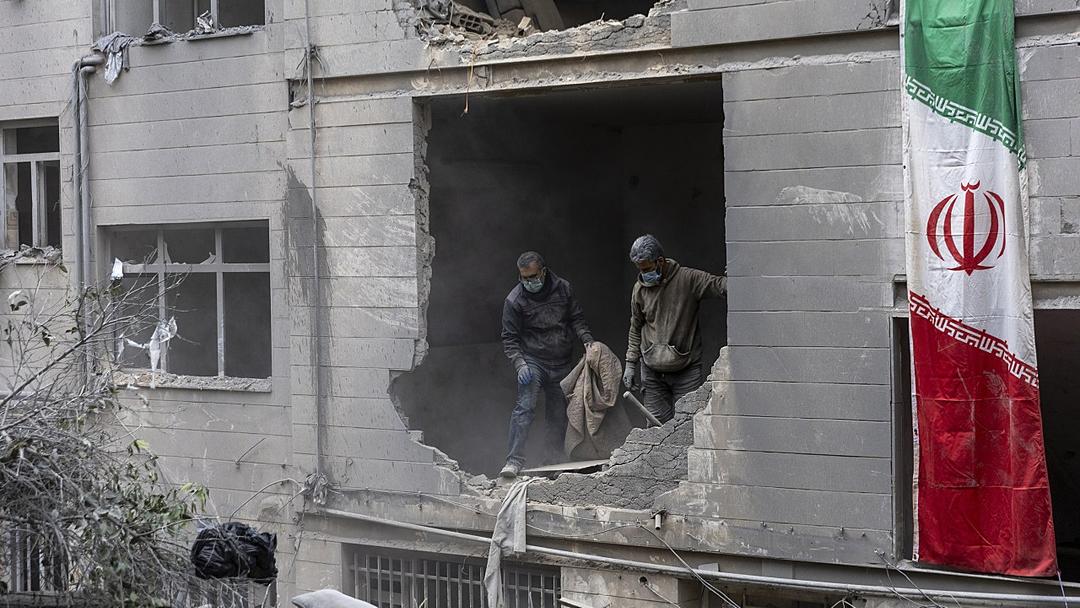
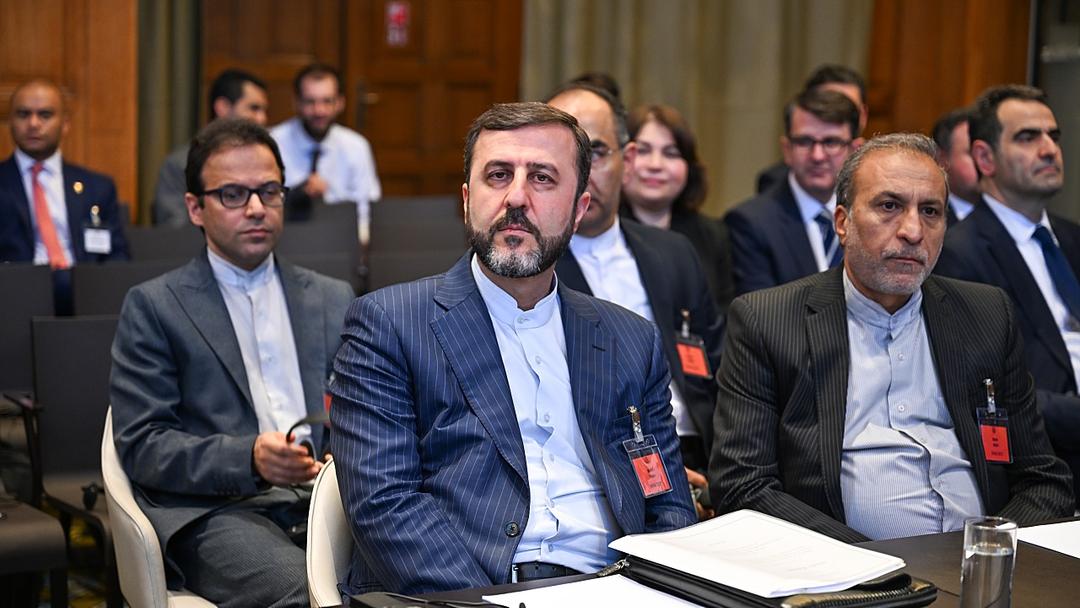
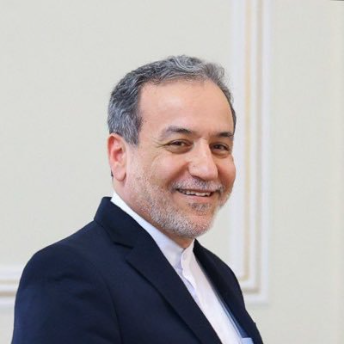
- Iran and Oman agreed on a temporary seven-mile-wide transit corridor through the Strait of Hormuz following talks between their foreign ministers in Tehran on Tuesday. Iranian Deputy Foreign Minister Kazem Gharibabadi said the strait remains closed and that Tehran retains full control over the waterway.
- The joint Iran-Oman framework proposes that inbound vessels enter the Persian Gulf via Iranian territorial waters, while outbound traffic would pass partly through Iranian and partly through Omani waters. The two sides have 30 to 60 days to negotiate a permanent replacement route.
- Iran's Islamic Revolutionary Guard Corps (IRGC) announced that Iran and Oman had settled their respective shares of revenues from Strait of Hormuz transit fees, adding a financial dimension to what had previously been described as a technical navigational arrangement.


Sources Split
LEFT
CENTER
RIGHT
+1

+1
+2

+3


+1
ESTAB
CRIT
CENTER
PRO
ESTAB
The Spin
Pro-Iran narrative
Iran isn't backing down — it's reshaping the rules. The Iran-Oman framework isn't a concession. Rather, it's Tehran asserting permanent leverage over Hormuz by demanding a negotiated role in the strait's long-term administration. The strait stays closed until the U.S. lifts its blockade, ends the war and stops threatening Iran.

Pro-Trump narrative
The Hormuz framework is a win shaped by U.S. pressure, not Iranian strength. The temporary corridor gives Iran far less control than what Tehran originally demanded, and it almost certainly carries a U.S. blessing — Oman wouldn't have moved without Washington's backing. Oil prices already dropped on the news, signaling that markets see this as progress driven by American leverage, not Iranian diplomacy.


Anti-Trump narrative
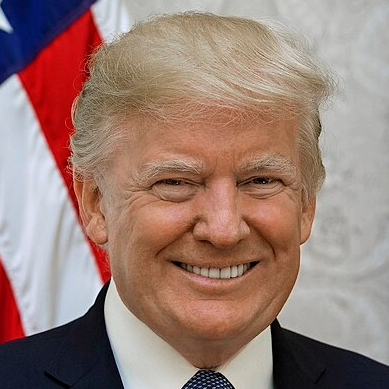
Trump went to war with Iran promising strength, but the conflict has exposed the limits of U.S. power. Iran can still choke traffic through the Strait of Hormuz, while U.S. forces have struggled to reopen it, draining munitions and straining the Navy. At the same time, Trump has alienated Oman, a longtime U.S. partner and crucial back channel to Tehran. The result is a costly stalemate that has strengthened Iran’s leverage rather than delivering Trump’s promised victory.