New Drone Tracks Human Through Forest With No GPS
The Facts
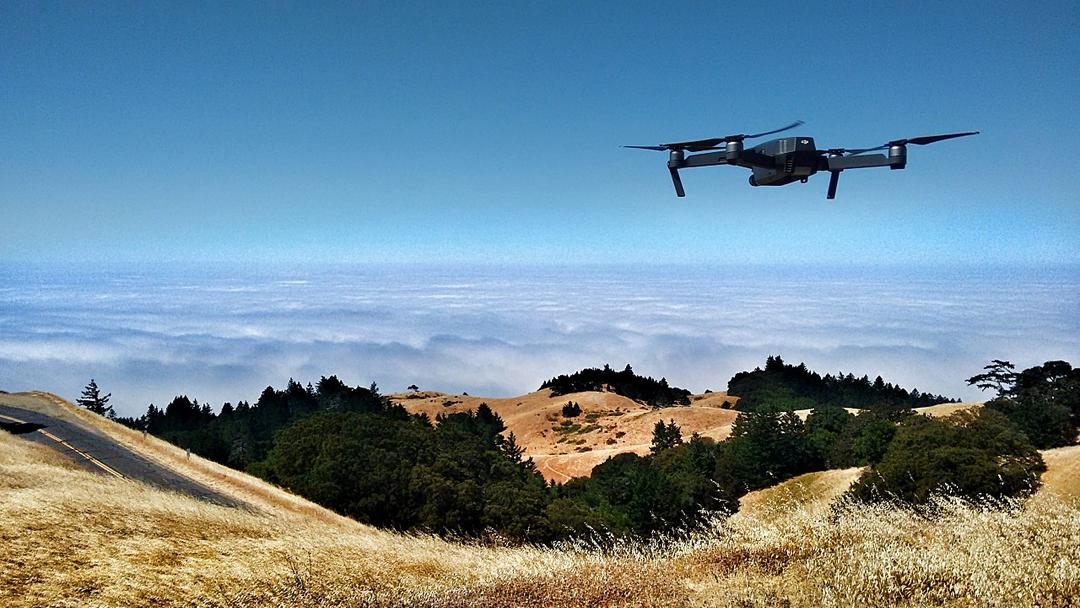
- Aniket Bera, a Purdue associate professor of computer science, posted a 44-second video on LinkedIn Friday showing an autonomous drone tracking a person through a forest with no GPS and no prior map, writing that his IDEAS Lab built every layer from scratch.
- The drone needs no GPS or cloud connection, and its obstacle-avoidance computing runs on-chip. It builds a 3D map of its surroundings in flight using LiDAR, which developers say lets it weave beneath tree canopies without collisions.
- The drone compares camera images with inertial sensor data to estimate its own movement rather than relying on fixed coordinates. A prediction module estimates where the person will reappear when trees briefly block the camera, Bera said.


Sources Split
LEFT
CENTER
RIGHT
+2
+3


ESTAB
CRIT
CENTER
PRO
ESTAB
The Spin
Techno-optimist narrative
GPS-free autonomous flight is the kind of breakthrough that turns a lost hiker into a found one. Drone-as-first-responder programs already prove the point — eyes overhead before boots on the ground mean calmer scenes, fewer bad assumptions and officers who know what's waiting. Fearing the tech instead of funding it leaves responders flying blind.

Techno-skeptic narrative
Current search-and-rescue drone algorithms show a severe reality gap: almost 90% of models rely solely on idealized simulations that ignore communication denial, sensor noise, dynamic survivors and crewed-aircraft deconfliction. Limited battery life, payload, and GPS-denied performance further constrain real operations. Hardware-in-the-loop and field trials remain essential before the systems are technologically sound for reliable use.


Cynical narrative
Autonomous tracking that locks onto a person and hunts through forest serves manhunts, not hikers, and the eager buyers are police and governments with little patience for warrants. Rubber-stamped waivers already put AI eyes over rooftops, backyards and apartment windows with no public vote and barely a flight log. Privacy shouldn't vanish because surveillance got cheaper.







© 2026 Improve the News Foundation.
All rights reserved.
Version 7.18.3