Study: GLP-1 drugs Linked to 42% Lower Mental Illness Risk
The Facts
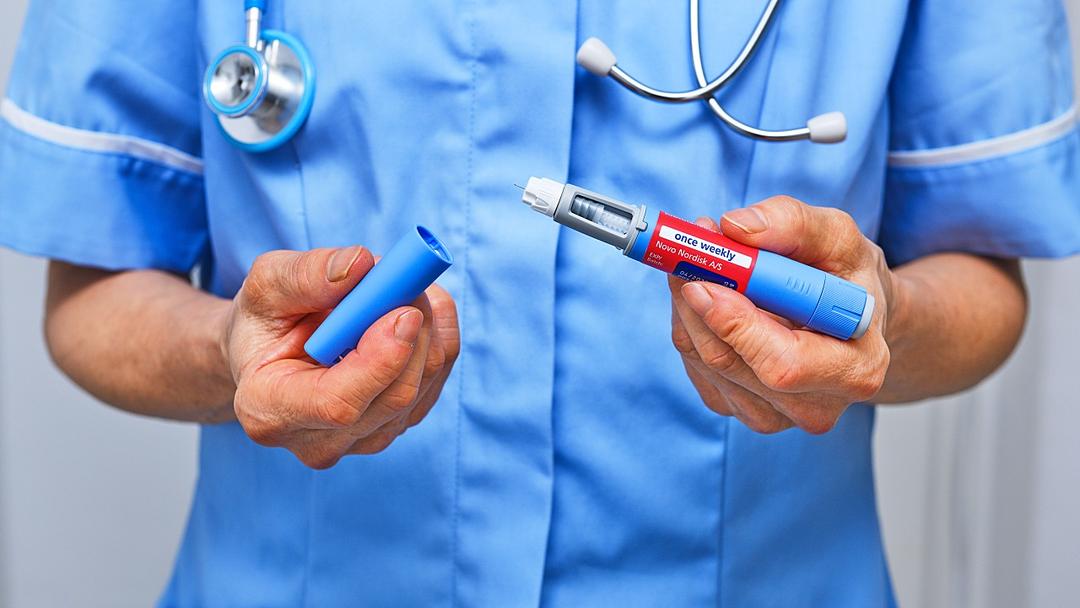
- According to a study published in The Lancet Psychiatry on Wednesday, semaglutide, the active ingredient in GLP-1 medications such as Ozempic and Wegovy, is associated with a 42% lower risk of worsening mental illness compared with periods of non-use.
- The study drew on Swedish health records of nearly 95,000 people diagnosed with depression or anxiety who were taking antidiabetic medications between 2009 and 2022. Semaglutide was linked to a 44% lower risk of worsening depression and a 38% lower risk of worsening anxiety.
- Semaglutide was also associated with a 47% lower risk of worsening substance use disorder, while GLP-1 receptor agonists as a group were linked to a reduced risk of self-harm. Other GLP-1 drugs, including exenatide and dulaglutide, did not show the same benefits.


Sources Split
LEFT
CENTER
RIGHT


+1
+1


ESTAB
CRIT
CENTER
PRO
ESTAB
The Spin
Narrative A
Semaglutide isn't just a weight-loss drug — it's linked to a 42% lower risk of worsening mental health, a 44% drop in worsening depression and a 47% reduction in substance use disorder. For diabetic patients already facing two to three times higher depression rates, that's a game-changer. The mental health case for GLP-1 drugs is now impossible to dismiss.

Narrative B
GLP-1 drugs might show promising numbers, but stopping them triggers "metabolic whiplash" — undoing all cardiovascular benefits in half the time it took to build them. These aren't temporary fixes; they're lifetime dependencies that erode self-regulation and personal discipline. Real health has always required effort, and no pill changes that fundamental truth.
Metaculus Prediction
© 2026 Improve the News Foundation.
All rights reserved.
Version 7.18.3