Spain's PM Sánchez Calls Iran War 'Disaster' Amid US Tensions


The Facts
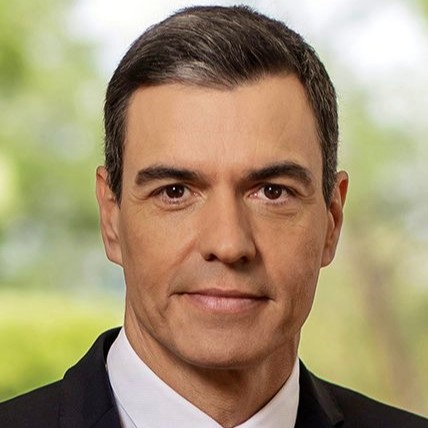
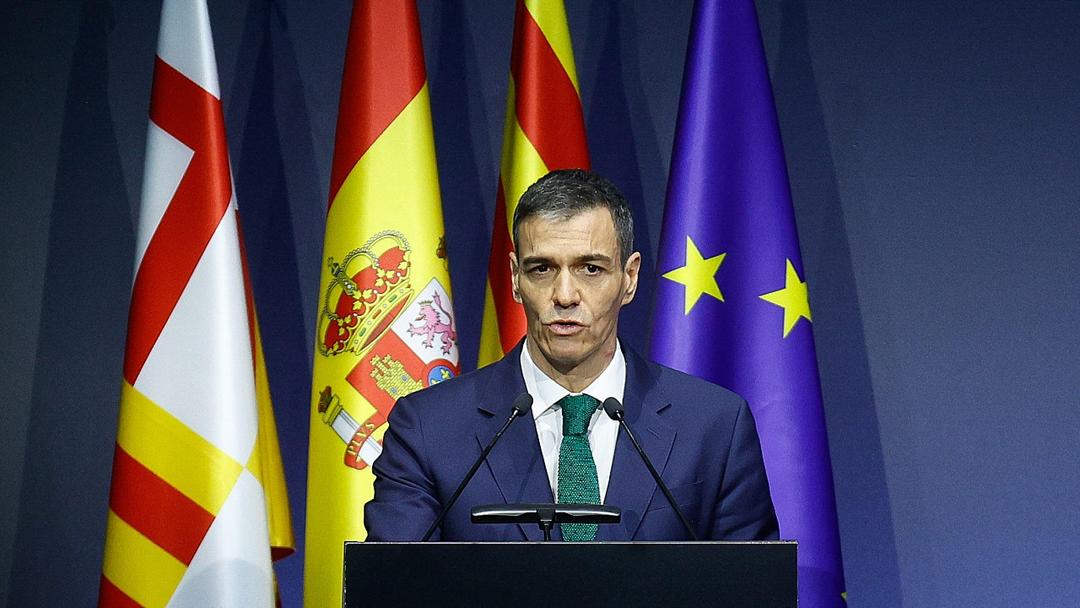
- Spain's Prime Minister Pedro Sánchez called the U.S. strikes on Iran a "disaster," warning they will increase "economic uncertainty" and drive up oil and gas prices. He said governments are meant to improve people’s lives and provide "solutions to problems," not worsen them.
- Spain's Prime Minister compared the U.S. attack on Iran to the 2003 invasion of Iraq, warning it risks another "breakdown of international law" and wider instability. Reaffirming Madrid’s stance, he said Spain's position was simple, "No to war."
- On Tuesday, U.S. President Donald Trump said that he had instructed Treasury Secretary Scott Bessent to "cut off all trade with Spain," over Madrid's refusal to allow the U.S. to use bases on its territory to carry out attacks on Iran, while adding that the U.S. could still "use their base if we want."



Sources Split
LEFT
CENTER
RIGHT
+1
+5
+2


+1

+1
ESTAB
CRIT
CENTER
PRO
ESTAB
The Spin
Pro-Trump narrative
Spain's Prime Minister Pedro Sánchez responded to the U.S. strikes on Iran by invoking the Iraq war and repeating his government’s "no to war" stance, reflecting a familiar European preference for restraint even as threats grow. U.S. President Donald Trump has taken the opposite course, arguing credible force and economic pressure are needed to confront Iran and restore deterrence after decades in which diplomacy failed to change Tehran’s behavior.

Anti-Trump narrative
Spain's refusal to allow its bases to be used for U.S. strikes on Iran reflects Prime Minister Pedro Sánchez's warning that such attacks risk deepening instability and economic disruption. Military action without U.N. authorization undermines international law and can entrench cycles of retaliation. By rejecting participation and emphasizing diplomacy, Spain argues that governments should reduce crises that harm people’s lives rather than worsen them.

Cynical narrative
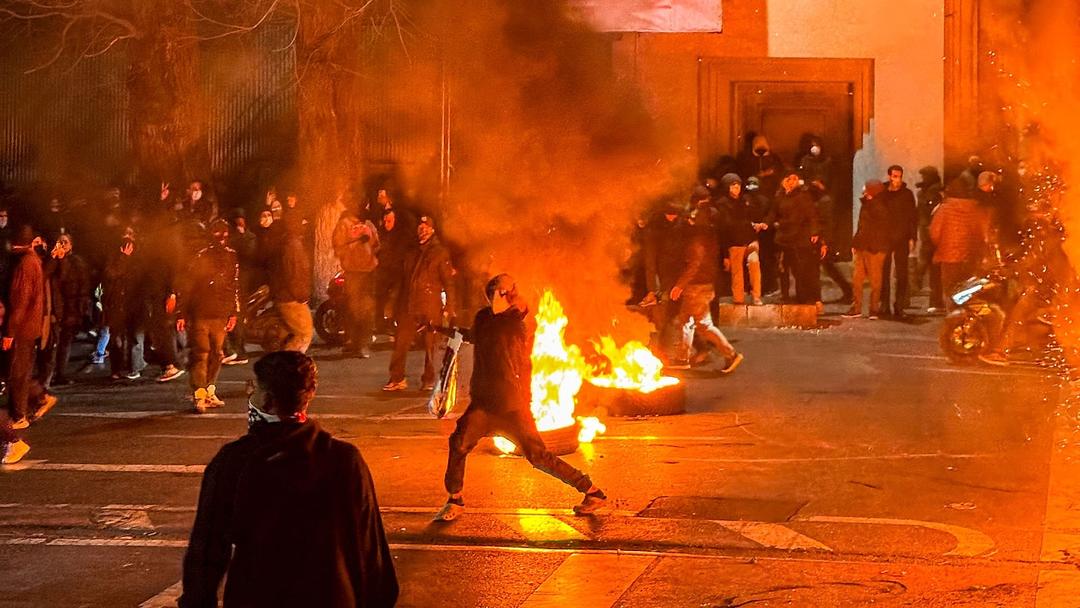
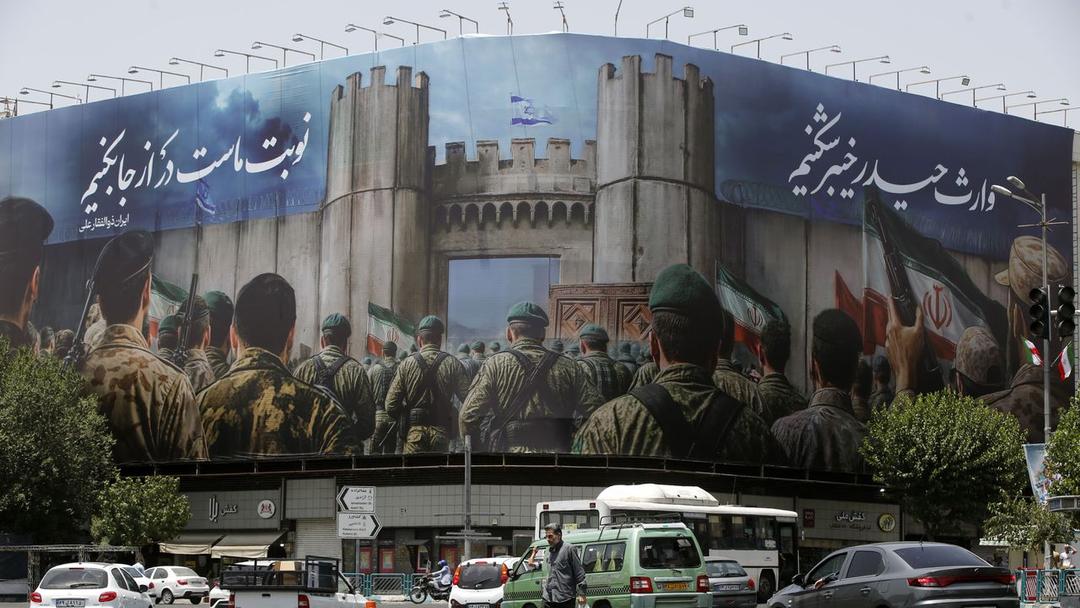
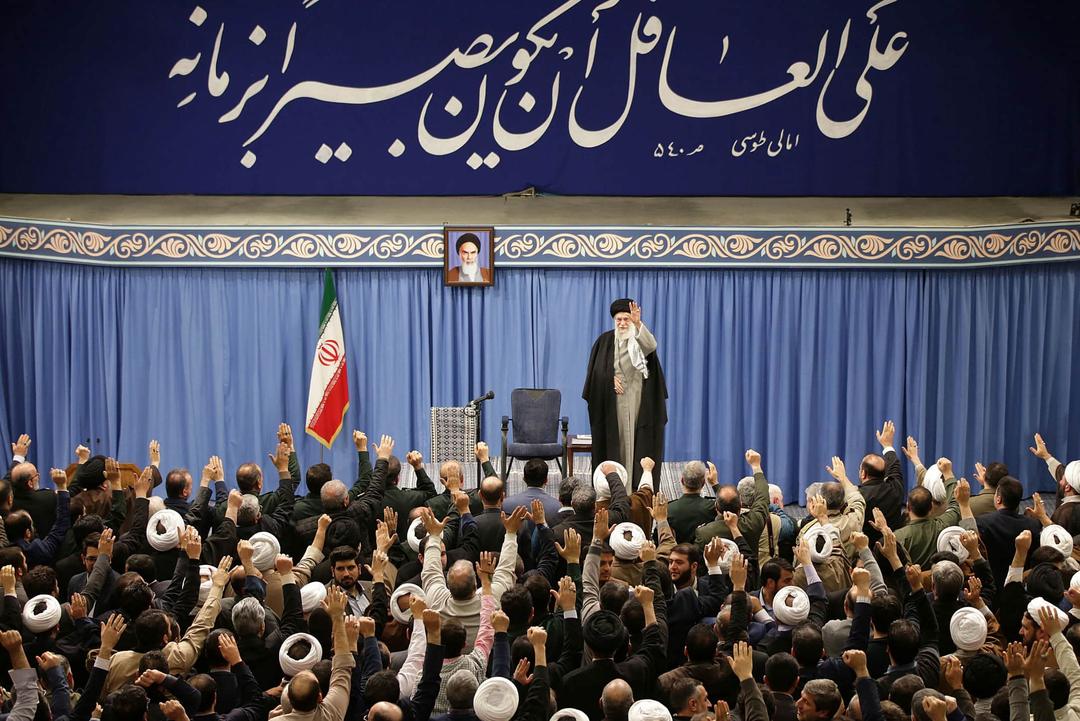
The Iran conflict now unfolds as much in headlines as in the skies. Pro-Tehran outlets inflate each strike into a decisive humiliation for the West, turning limited actions into sweeping narratives of dominance. Meanwhile, Western media reduces those same incidents to brief updates, emphasizing interception rates and "limited damage" — while framing strikes against Iran as decisive and strategically consequential. Both sides shape events to fit preferred storylines. Ultimately, framing is replacing truth.