Thousands Rally in Tel Aviv for Arab Parties in Government

The Facts
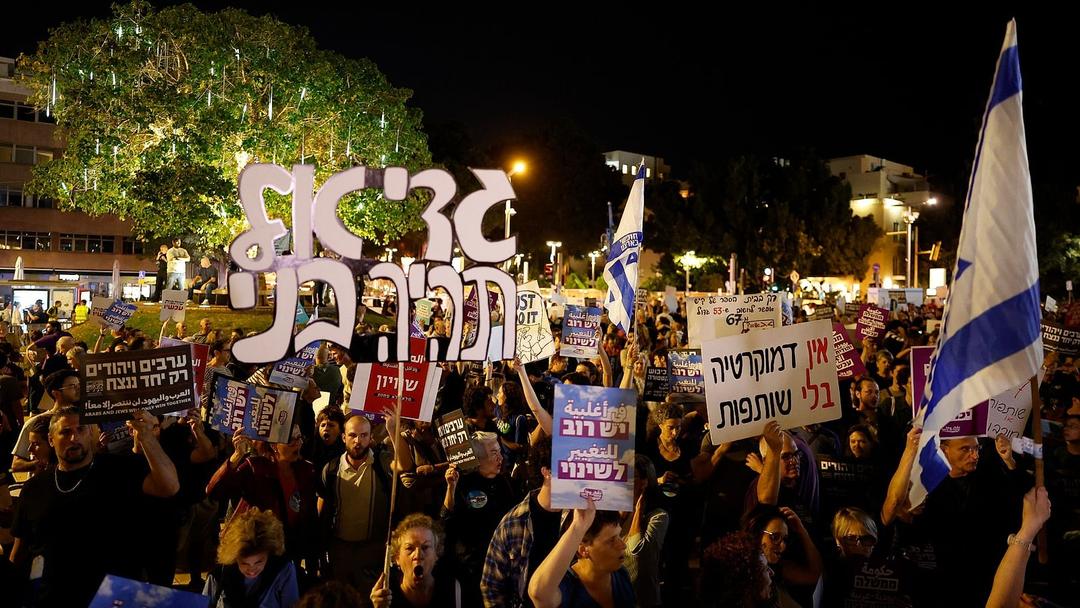
- Thousands of Israelis rallied at Tel Aviv's Habima Square on Saturday evening to demand a government that includes Arab parties, before marching to Rabin Square. Similar protests were held in Jerusalem, Haifa and northern Israel.
- Meanwhile, pro-Netanyahu activists held a counter-protest in a police-designated area at Habima Square, chanting "Bibi is king of Israel," calling for new elections and saying Israel should not have a government that includes parties they call terrorists.
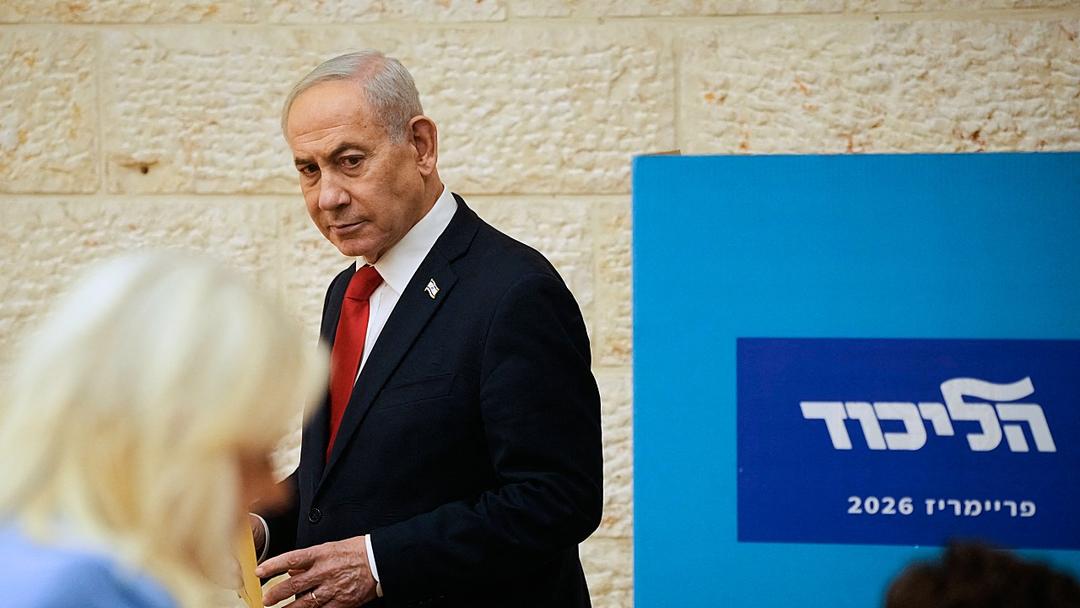
- Prime Minister Benjamin Netanyahu's bloc won 53 of the Knesset's 120 seats in Tuesday's vote, while opposition parties took 48 and Arab-majority Ra'am and the Joint List won 19. Nearly 840,000 votes went to the Arab-led lists, a 64% rise from 2022.


Sources Split
LEFT
CENTER
RIGHT

+3
+1

+1
+4

ESTAB
CRIT
CENTER
PRO
ESTAB
The Spin
Narrative A
A government that includes Arab parties is long overdue, and the election result finally makes real partnership possible. Jewish and Arab citizens standing together in the squares proves that a shared society is realistic, not a fantasy, and that locking millions of citizens out of power was never democracy.


Narrative B
Sticking Arab parties in a cabinet changes the faces at the table, not the laws that rank citizens by ethnicity. That coalition model has already come and gone without touching the Nation-State Law, so a sequel promises the same letdown. Inclusion sold as equality mostly serves foreign patrons shopping for a friendlier government.

Pro-Palestine narrative
Eisenkot is increasingly portrayed as a moderate alternative to Netanyahu, promising a different political direction for Israel. Yet, beneath this centrist image lies a controversial military legacy, as his Obliteration Doctrine resulted in Gaza's devastation. His political moderation contrasts sharply with his military record, which raises serious questions about his intentions.
Right narrative
Netanyahu remains the strongest candidate to lead Israel, offering political experience, security credentials and a proven ability to navigate the country's complex regional challenges. At a time of deep political divisions and security concerns, his leadership promises continuity, strategic resolve and a firm commitment to thwart Israel's Islamization.