UN Ends Western Sahara Mission After 35 Years
The Facts
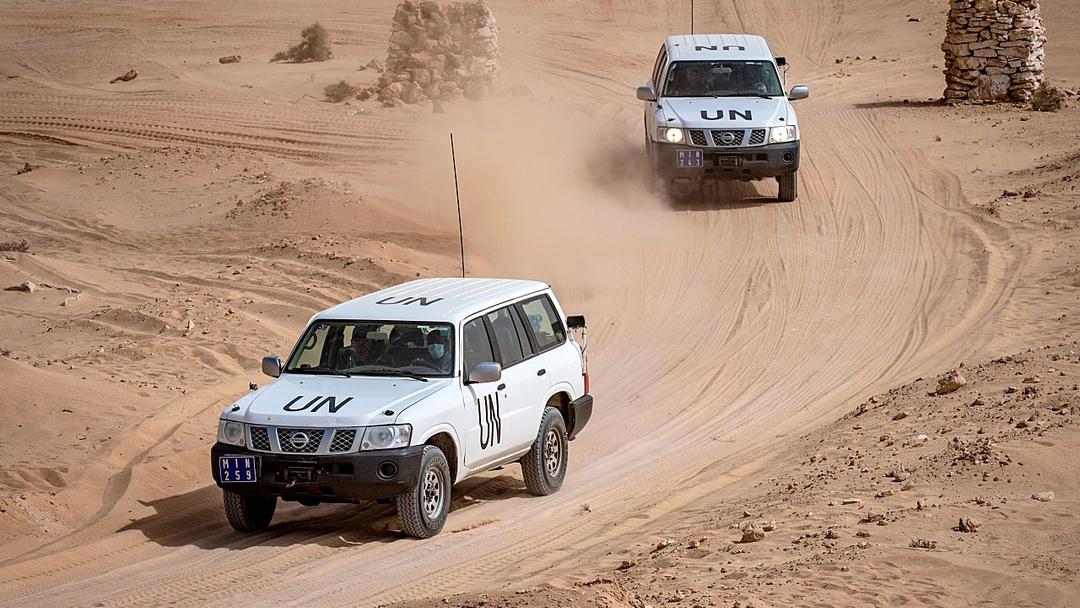
- The United Nations peacekeeping mission in disputed Western Sahara (MINURSO) ceased operations Sunday after 35 years, following the Security Council's failure to renew its mandate. Nov. 1 marked the start of a liquidation phase overseen by a smaller U.N. team.
- U.N. Secretary-General Antonio Guterres warned Sunday of the risk of escalating hostilities and said the mission's departure does not abrogate the Sahrawi people's "inalienable right to self-determination." Talks continue under envoy Staffan de Mistura.
- Morocco's royal palace welcomed the non-renewal and said the issue should be dropped from the Security Council's agenda, while Algeria's Foreign Ministry expressed deep regret, citing what it claimed was the "excessive bias" of the U.S.' position.


Sources Split
LEFT
CENTER
RIGHT
+2
+1
+2
+1
+1
+1

+1
+1

ESTAB
CRIT
CENTER
PRO
ESTAB
The Spin
Pro-establishment narrative
Russia's veto has prolonged decades of diplomatic paralysis, blocking a broadly backed path toward resolving the Western Sahara conflict. Moscow clings to a referendum mission that never delivered a vote, while Morocco's autonomy plan offers a realistic way forward. Shielding an ally's outdated position leaves refugees trapped in uncertainty and exposes Russia's preference for geopolitical leverage over lasting peace.

Establishment-critical narrative
Russia is right to defend the Sahrawis' right to self-determination rather than accept a settlement imposed by outside powers. A failed referendum does not erase that right, especially while fighting continues. Moscow's opposition to making Morocco's autonomy plan the basis for negotiations protects the U.N.'s credibility and preserves room for diplomacy. Lasting peace requires Sahrawi consent, not a predetermined outcome.
Cynical narrative
The geopolitical rivalry between Washington and Moscow has turned Western Sahara into another battleground for influence, leaving its people to pay the price. Rather than seeking common ground, both powers have used the U.N. to advance competing agendas, undermining decades of peacekeeping. With the mission gone and tensions unresolved, their diplomatic power struggle risks reigniting a conflict neither side will have to fight.


