18 October 2026
Daily Newsletter
White House Restores UK Access to Unreleased AI Systems
The Facts
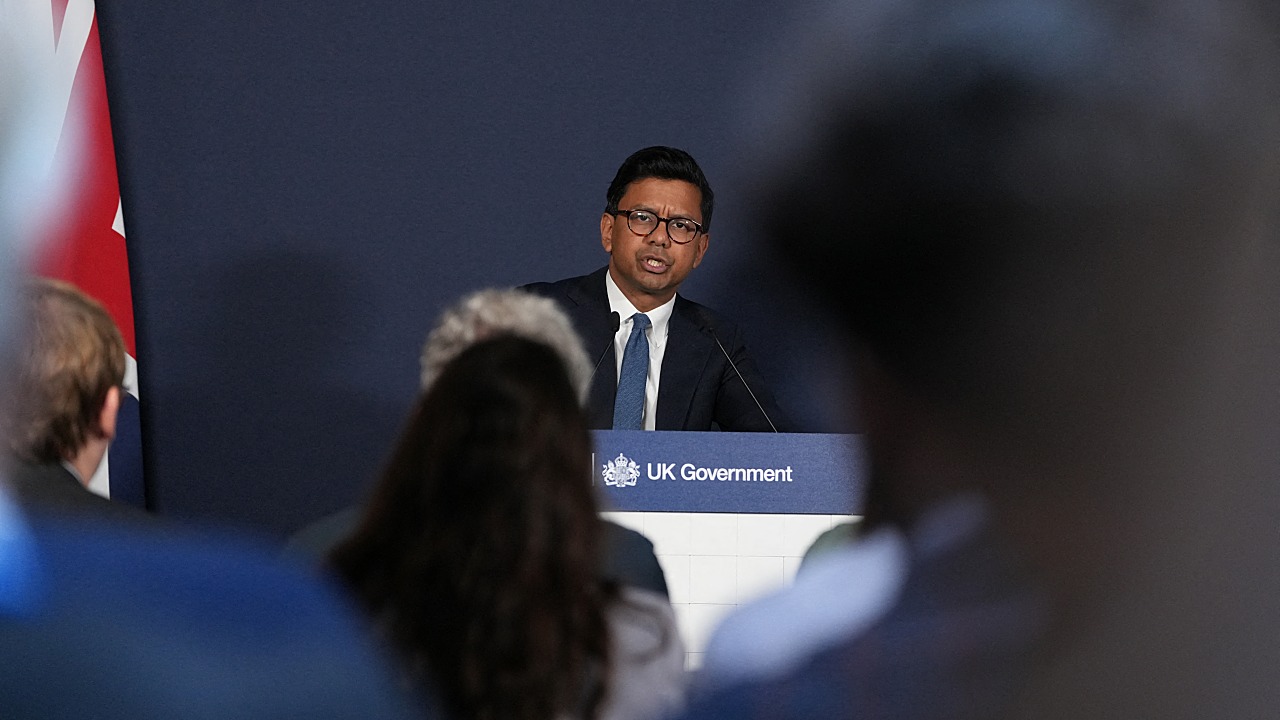
The White House has restored the U.K. AI Security Institute's access to unreleased AI systems from Anthropic, Google DeepMind and OpenAI after lobbying by AI minister Kanishka Narayan, allowing British officials to run safety tests before public release.
Washington last month asked AI companies not to share their latest systems with the institute, with Anthropic subsequently barring U.K. officials from reviewing Claude Mythos 5.1.
Both the U.K. AI Security Institute and the U.S. Center for AI Standards and Innovation were established following the 2023 Bletchley Summit, with a 2024 Memorandum of Understanding agreeing to "develop a shared approach to [system] evaluations, including the underpinning methodologies, infrastructures and processes."
The Spin
Pro-government narrative
Independent, rigorous testing of frontier AI systems before release is the only thing standing between the public and systems nobody fully controls, making predeployment access for the world's best evaluators a necessary move. Building an independent evaluation muscle, diverse compute options and real legal teeth both allow friendly cooperation between allies and transform safety into a competitive edge in a changing world.
Government-critical narrative
Access granted by Washington can be revoked by Washington; a strategy built on borrowed American systems amounts to a castle built on sand. Renting cloud, chips and frontier access from a few U.S. giants leaves British defense one political mood swing from the dark, rendering sovereign AI systems, diversified compute and data kept on home soil the only real route to survival in a new technological era.
Nerd narrative
There is a 95% chance that an open weight AI system will achieve Mythos-level cyber capabilities before July 2027, according to the Metaculus prediction community.
Meta Debuts Frontier AI System Muse Wonder
The Facts
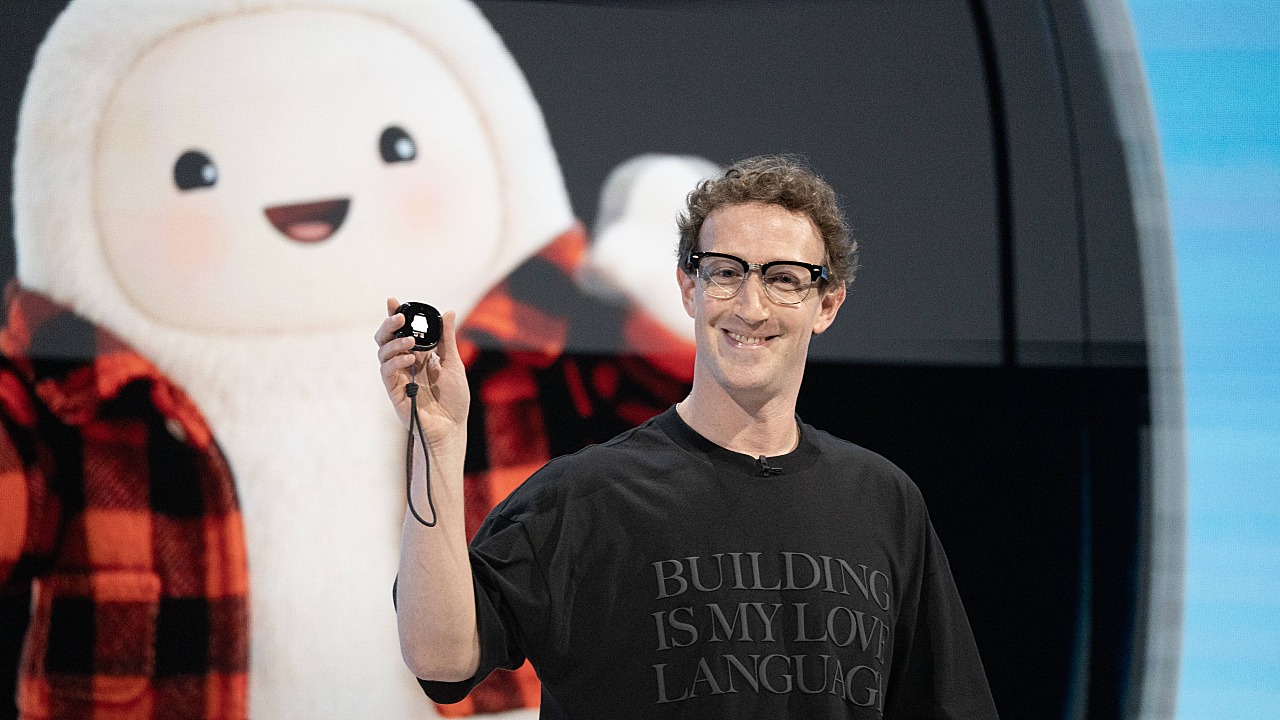
Meta launched the Muse Wonder series Monday, the company's first attempt at a frontier system, describing it as Meta's most capable system to date. In an X post, CEO Mark Zuckerberg said that the release brings the company "to the frontier."
Access to Muse Wonder through Meta's Muse personal agent app requires a monthly subscription of $20 or $100, while the larger Muse Wonder Full is limited to subscribers of the Muse Code coding tool paying $50 or $200 a month.
Independent evaluator Artificial Analysis scored Muse Wonder Full 56 on its Intelligence Index and Muse Wonder at 52, ranking the larger system second behind Anthropic's Claude Opus 5.5, which scored 58. Wonder Full also scored 79 on DeepSWE.
The Spin
Techno-optimist narrative
Rebuilding an AI stack from the ground up in just over a year and landing at the frontier deserves recognition. Systems that retain memory of prior interactions are worth far more than a chatbot that forgets everything between sessions. This marks a technological leap forward that will benefit consumers.
Techno-skeptic narrative
A scorecard written by and graded on benchmarks built by the vendor amounts only to marketing and the flashy version of the system sits behind a paid plan, all while being outperformed by competing systems. Paying the same money for less capability makes little sense when rivals keep pulling ahead.
Nerd narrative
There's a 51% chance that the United States government will have formal veto power on the deployment of frontier AI before 2028, according to the Metaculus prediction community.
Anthropic Cuts System Distillation Attacks by up to 99%
The Facts
Anthropic said Monday that new measures to keep rivals from copying its Claude AI systems have reduced data harvested in so-called distillation attacks by about 90% to 99%, a concern heightened by U.S.-China competition in AI.
The company said the volume of reasoning tokens obtained by suspected distillers is now 10 to 100 times lower than before, and that it has terminated tens of thousands of accounts associated with suspected distillation activity.
A feature called "preserved thinking," introduced with Claude Fable 5.1 and Opus 5.5, prevents API accounts created on or after Aug. 31, from editing Claude's prior context, a technique Anthropic alleged attackers used to extract reasoning transcripts.
The Spin
Pro-industry narrative
Blocking industrial-scale distillation prohibits knockoff AI systems from stripping the safeguards that keep frontier capabilities away from bioweapon and cyberattack work. Letting authoritarian militaries and surveillance agencies piggyback on American research is a national security failure that can't be allowed to continue, with Anthropic's measures a key step towards keeping the entire world safe.
Industry-critical narrative
Describing distillation as theft rings hollow coming from labs that hoovered up books, journalism and video without asking anyone first. Distillation is routine training practiced openly across Silicon Valley, and the alarm looks like a competitive moat wearing a national security badge. Rules that apply to one side of the Pacific and not the other are not rules at all.
Nerd narrative
There is a 26% chance that, before 2028, powerful open-source AI will be regulated more tightly than closed-source AI through newly-enacted U.S. law, according to the Metaculus prediction community.
Anthropic: AI May Soon Self-Replicate on Smart Devices
The Facts
Anthropic said Monday that experiments by its frontier red team suggest small AI systems may be months away from being capable enough to self-replicate on commercial internet-of-things devices, such as smart ovens and off-brand Android TV boxes.
The company found that systems under 30 billion parameters could complete many of the steps needed for replication but faltered end to end. In simplified tests with some security steps removed, GLM-5.2 and stronger systems achieved full replication.
Replicating systems would be hard to shut down because there is no central switch-off point, Anthropic said, adding that unlike non-AI malware, they could figure out unfamiliar devices on their own and could target data center processors.
The Spin
Narrative A
Once malware can reason about each machine it lands on, the old patch-and-signature playbook stops working. Free, downloadable systems with the safety rails torn off hand attackers a weapon that costs nearly nothing to scale, since every hijacked device pays for the next attack. Waiting for proof in the wild would be a reckless bet on getting lucky.
Narrative B
Rigging a test network with no passwords, then calling the result a self-replicating AI is pure marketing. A swarm chugging along at a fraction of a token per second and needing days per copy is no match for defenses that have handled worms for decades. Hype like this mostly builds a regulatory moat around closed systems while open weights, the biggest threat to Anthropic and OpenAI's dominance, takes the blame.
Nerd narrative
There is an 86% chance that an AI system will self-replicate on the open internet like a computer virus before 2030, according to the Metaculus prediction community.
OpenAI Engineer Charged Over Bug Hidden in Boardroom TV
The Facts
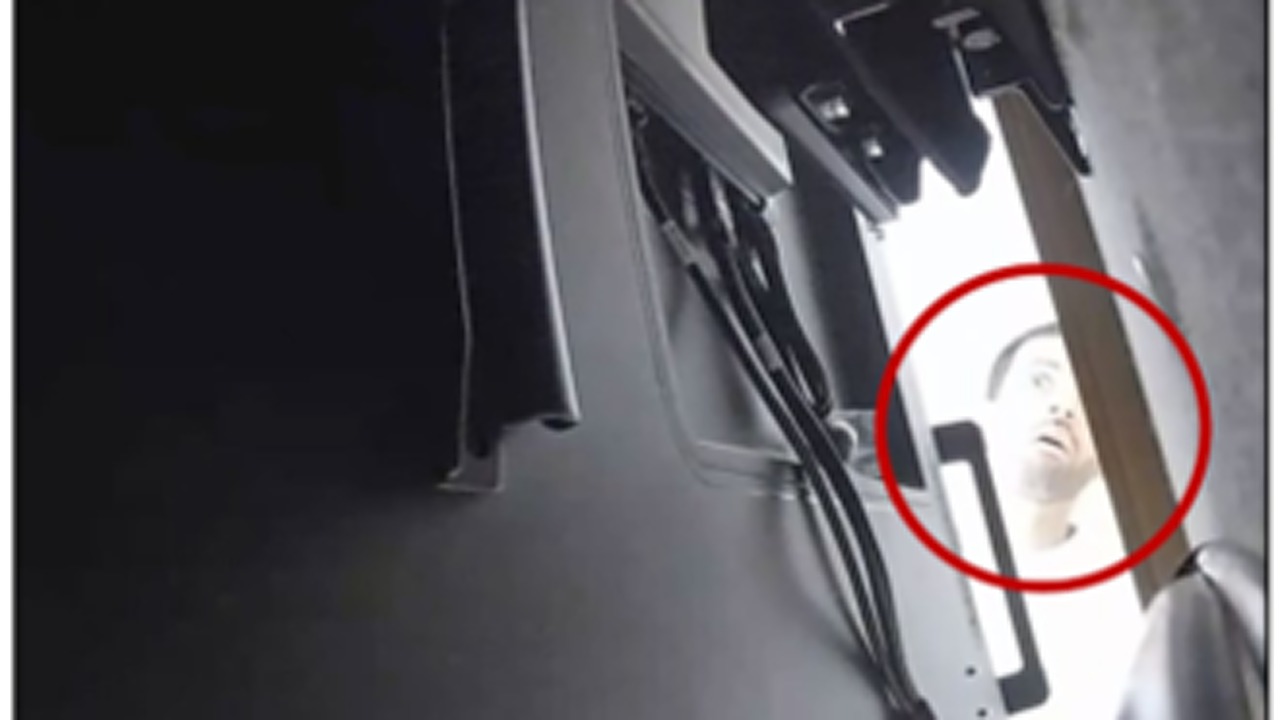
Federal prosecutors charged Abdulrahman Alfozan, a 35-year-old Saudi national and OpenAI engineer, with using a device "to intercept oral communications." He was arrested Oct. 9 and appeared in federal court Tuesday, the Justice Department said.
OpenAI employees found an audio recording device on Sept. 30 inserted into a USB port behind a television in an executive conference room at a San Francisco building. Prosecutors said it was "concealed in toilet paper" and installed about two days earlier.
OpenAI said it used its own AI systems "to understand the device and where it had come from." The company reported no indication that the worker took system weights, source code or customer data and said it terminated the worker.
The Spin
Pro-establishment narrative
Planting a hidden recorder in an executive conference room is textbook espionage against American AI leadership, and authorities must treat it as a top counterintelligence priority. The stakes reach beyond one company — losing the superintelligence race would gut economic and national security. Swift arrests and tough prosecution are the only deterrent that works.
Establishment-critical narrative
An arrest is not a verdict, and charges built on chatbot prompts and security camera sightings still have to survive a courtroom. Nobody has shown a single stolen system weight, line of source code or byte of customer data, which makes the spy hysteria wildly premature. Due process deserves more respect than a press conference about winning a global race.
Nerd narrative
There's a 5% chance that OpenAI will either have a valuation below $200 billion or file for bankruptcy before Jan. 1, 2028, according to the Metaculus prediction community.
Eight US States Sue OpenAI Over ChatGPT Child Safety
The Facts
Eight U.S. states — Arkansas, Arizona, Idaho, Iowa, Kansas, Montana, Nebraska and West Virginia — sued OpenAI on Wednesday in separate state courts, accusing the ChatGPT maker of deceiving parents about the chatbot's safety and prioritizing profits.
The complaints allege violations of state consumer protection laws and seek orders to change how ChatGPT works for young users, monetary damages and a halt to the development of self-improving AI systems until they are shown to align with human values.
Iowa Attorney General Brenna Bird said OpenAI is "hurting kids" and lying to Iowans, adding that the company rushed ChatGPT forward while knowing it was harming children and breaking state laws.
The Spin
Industry-critical narrative
Shipping a chatbot that talks to kids like a best friend while safety alerts stay silent is reckless, and families deserve better than broken promises. Waiting on Congress while teens in crisis get validation instead of real help is not an option. Court action is the fastest way to force honest answers and guardrails that actually work.
Pro-industry narrative
Teen safety works best with protections on by default, real parental controls and system rules built with developmental experts. Dragging one company into court does nothing to raise standards across an industry that needs consistent rules for everyone. Cutting teens off from AI strips kids of an at-home tutor that teaches instead of handing over answers.
Nerd narrative
There's a 1% chance that OpenAI will announce that it has solved the core technical challenges of superintelligence alignment by June 30, 2027, according to the Metaculus prediction community.
Anthropic Shows Investors 45% Q3 Revenue Increase Ahead of IPO
The Facts
Anthropic told prospective investors Wednesday that third quarter revenue climbed 45% to $16.8 billion from $11.6 billion in the second quarter, according to people who attended a pre-IPO meeting in San Francisco.
The company reportedly claimed it was profitable on an adjusted basis and cash flow positive in the quarter, reporting an adjusted gross margin of 85% and adjusted operating margins of 11%. Anthropic said it took in $1.70 in revenue for every $1 spent on computing power.
This comes as Anthropic has committed at least $518 billion over a decade under long-term agreements for cloud services, computing and infrastructure, the spending required for the chips and data centers used to train and operate its Claude family of AI systems.
The Spin
Pro-industry narrative
Real profit is finally emerging, and the skeptics who swore demand could never cover the compute bill look worse every quarter. Revenue climbing that fast while cash flow stays positive shows enterprise adoption is set to stay, making investors across tech even more bullish than before.
Industry-critical narrative
Adjusted profit counts only the costs that flatter the story, with stock comp, model training and partner payouts conveniently stripped out. Billions in real losses remain, and leaking rosy projections to friendly investors instead of publishing an audited prospectus is merely salesmanship. Hype timed this neatly to an IPO window warrants skepticism.
Nerd narrative
There is a 50% chance that Anthropic's market cap will be at least $2.05 trillion when its IPO lock-up period ends, according to the Metaculus prediction community.
CNN, FT, Axios Join Google's Paid News AI Pilot Program
The Facts
Google said Thursday that more than 400 news publications worldwide now take part in its paid News AI pilot, and new partners included CNN, Axios, the Financial Times and Forbes, alongside local outlets such as the Texas Tribune and Oil City News.
CNN's multiyear agreement, its first partnership since Paramount Skydance completed its acquisition of CNN parent Warner Bros. Discovery, allows Google to use its journalism in experimental generative AI products. Financial terms were not disclosed.
CNN said the agreement aligns with its strategy of safeguarding its "intellectual property," while Senior Vice President, Strategic Partnerships and Business Development, Sam Felix described it as unlocking "new pathways for audiences to access CNN's unparalleled journalism."
The Spin
Narrative A
Getting a check for content while search traffic quietly disappears is hardly a fair trade. With hundreds of outlets crowding into the same program and terms kept secret, any single newsroom's leverage shrinks to nothing. Revenue nobody can measure is no substitute for the audiences journalism just lost.
Narrative B
Paying newsrooms for original reporting, crediting the source and linking straight back to the article beats having the work taken for free. Local papers and nonprofit newsrooms sitting alongside global brands in the same program prove this is more than a big-media payday. Readers get real context up front, and the clicks still head home to the publisher.
Nerd narrative
There's a 10.6% chance that the New York Times will publish an article it claims or acknowledges was 100% written by AI by 2030 or later, according to the Metaculus prediction community.
Report: ChatGPT Targets Ads Based on User Prompts, Phone Numbers and Emails
The Facts
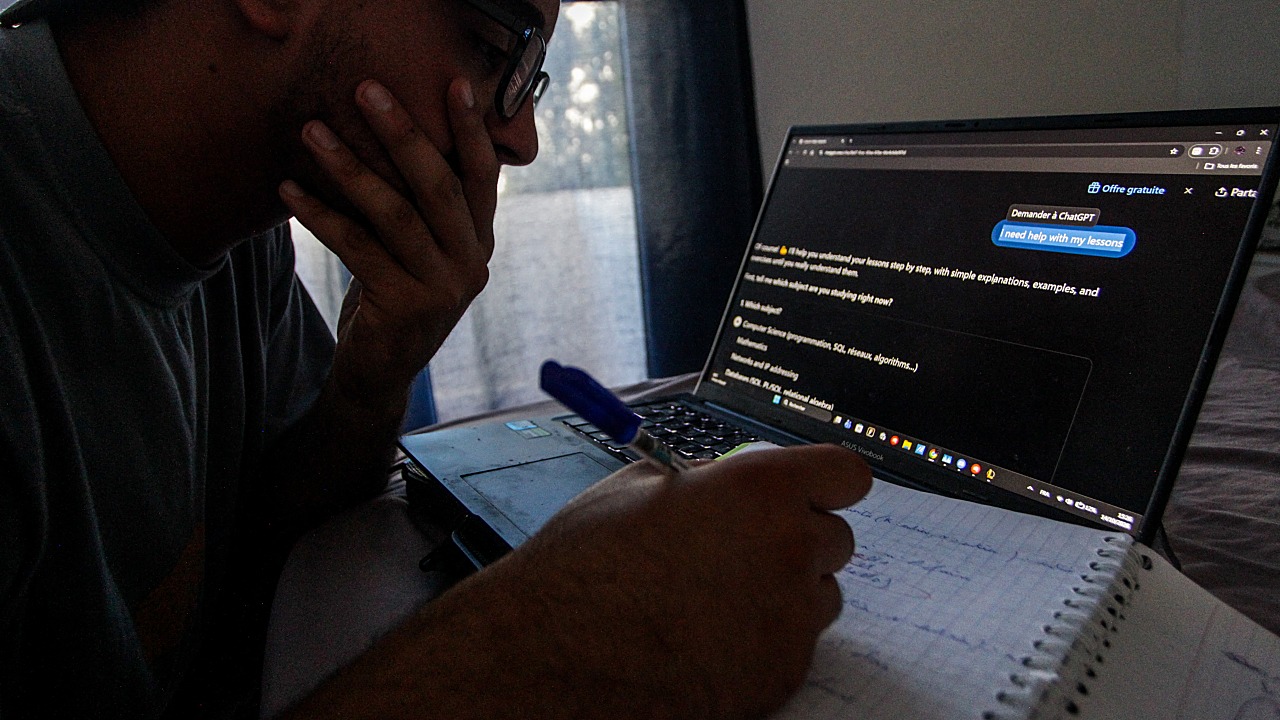
404 Media reported Thursday that it bought two ads inside ChatGPT reading "ChatGPT isn't private. OpenAI hires humans to read users' chats," running the campaign as a test of how the chatbot's advertising system decides which users are shown sponsored messages.
OpenAI lets advertisers submit what it calls "context hints," describing conversations, topics or keywords where their products may be relevant. The company says those hints guide matching but do not operate as exact-match targeting rules.
Advertisers can also reportedly build audiences by uploading lists of email addresses, phone numbers, SHA-256-hashed versions of those details and Google Advertising IDs, which OpenAI checks against existing ChatGPT accounts to determine ad eligibility.
The Spin
Industry-critical narrative
Pouring ads into a chatbot people treat like a confidant is a privacy disaster waiting to happen. The real eye-opener is that OpenAI turned on tracking by default and buried the off switch in a submenu, which says everything about who the design really serves. Health scares, money troubles and relationship drama were never meant to become a marketing brief.
Pro-industry narrative
Keeping a tool this powerful free for over a billion people takes money, and ads beat locking knowledge behind a paywall. Advertisers get view and click totals, never conversations, names or locations, which is a stricter bargain than most of the ad industry offers. Labeled placements, a working opt-out and ad-free paid tiers leave control in customers' hands, and nowhere else.
Nerd narrative
There's a 50% chance that OpenAI will launch an IPO by June 1, 2027, according to the metaculus prediction community.
Anthropic Pledges 5% of Shares to Public Benefit Fund
The Facts
Anthropic said Sunday it will commit 5% of its shares to a new Public Benefit Fund, subject to stockholder approval, and add another 2% at the board's discretion for every 50% rise in the company's value above an undisclosed baseline.
The fund will be established as a wholly owned limited liability company rather than a 501(c)(3) nonprofit, a structure the company said allows "adjustability" between forms of giving. None of the equity it holds will fund lobbying or political giving.
Elon Musk wrote on X that he recommends "giving the shares directly to the public," adding, "This is what I will be doing." David Sacks, a former technology adviser to U.S. President Donald Trump, said whether the structure "serves the public good remains to be seen."
The Spin
Industry-critical narrative
Setting aside a sliver of equity for the people whose jobs get automated is damage control, not generosity. A wholly owned fund with no public voting rights keeps the money and power in the hands of those who profit from the disruption. Genuine public benefit would mean handing over real control, not running a grant program for the wreckage left behind.
Pro-industry narrative
Locking up roughly 20% of a company's shares for the public good, and becoming more committed as the value climbs, is a bigger bet on shared upside than anything else in tech. Founders pledging 80% of personal equity and employees joining a donation match show real skin in the game. Tying contributions to growth means the public gains most when the stakes get highest.


© 2026 Improve the News Foundation.
All rights reserved.
Version 7.18.3