AI: Environmental Impacts
The Facts
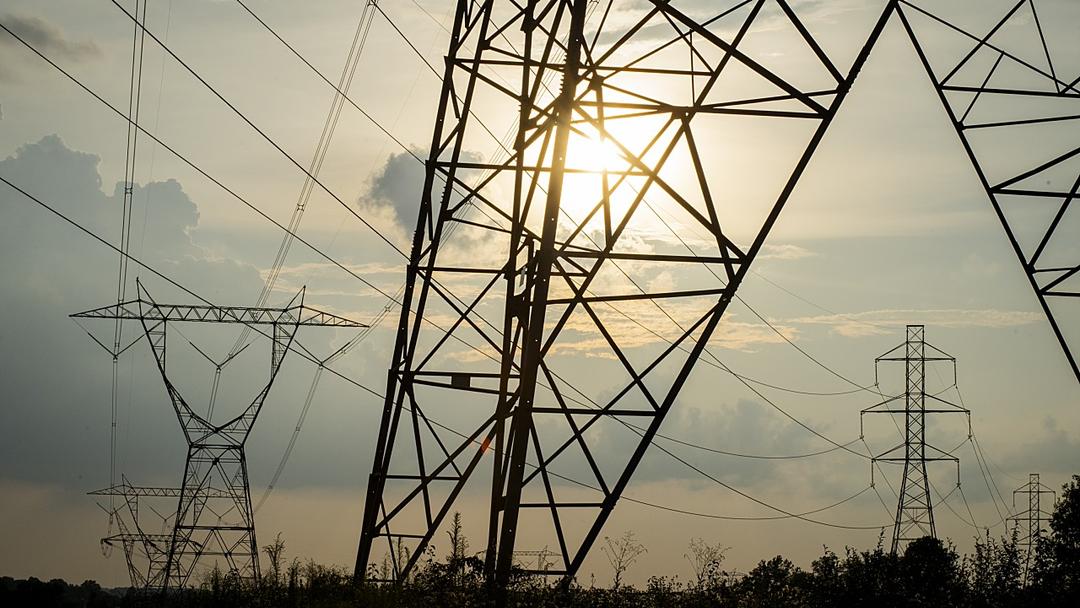
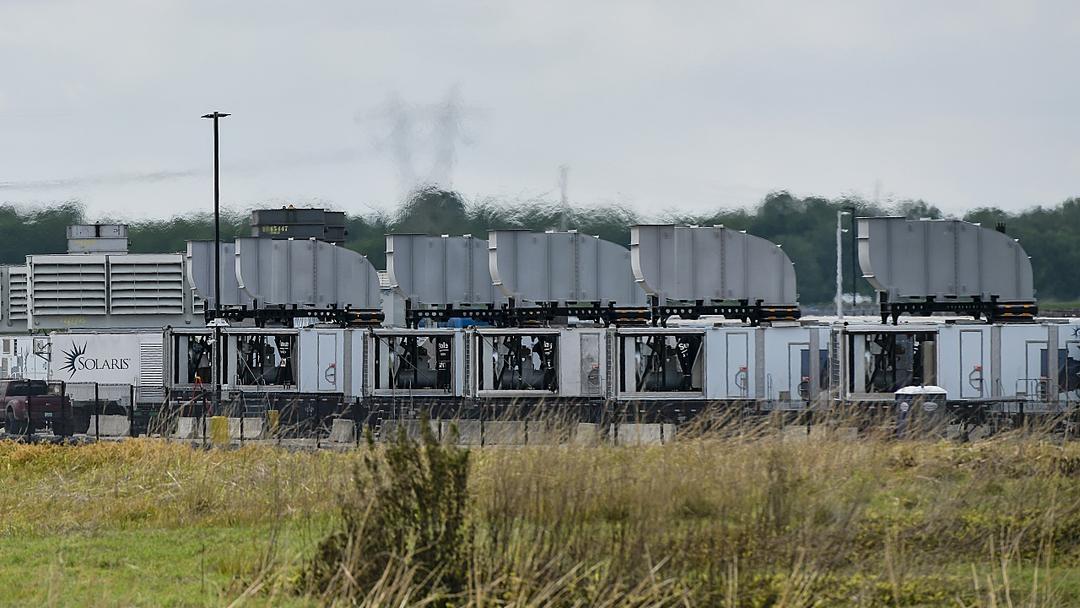
- Overview: As AI expands rapidly, so does debate about its environmental impact. AI systems run on vast data centers filled with servers, cooling systems, and backup generators — facilities that consumed an estimated 460–490 TWh of electricity in 2025, a 17% surge year-over-year, with AI-focused centers alone climbing 50%, according to the International Energy Agency (IEA). The rapid expansion of AI infrastructure has significantly increased water usage and carbon emissions, even as AI is increasingly being used to monitor ecosystems, optimize energy grids, and track emissions.
- Energy Footprint: Training a single large AI model can now consume as much as 50 gigawatt-hours of electricity — enough to power San Francisco for three days. The IEA projects global data center electricity consumption will nearly double to 945 terawatt hours by 2030, potentially exceeding Japan's current total electricity consumption. According to a 2025 joint report by EPRI and Epoch AI, the power required to train frontier AI models has more than doubled every year for the past decade, while fossil fuels still provide over 60% of global electricity generation.
- Water Consumption: AI systems consumed an estimated 312–765 billion liters of water in 2025 — comparable to global annual bottled-water consumption — according to a December 2025 study in the journal Patterns. Large data centers can use as much as 5 million gallons per day, equivalent to a town of 10,000 to 50,000 people. Google's largest Iowa data center alone consumed 1 billion gallons of water in 2024 — equivalent to Iowa's entire residential water supply for five days — according to Google's 2025 Environmental Report.


Sources Split
LEFT
CENTER
RIGHT
+1
+2
+1
+2
+5
+1
+10
ESTAB
CRIT
CENTER
PRO
ESTAB
The Spin
Techno-skeptic narrative
Generative AI is driving an environmental catastrophe by driving up electricity consumption and water use in data centers. Training a single frontier system can now emit thousands of tonnes of carbon dioxide, and the industry's explosive growth forces reliance on fossil-fuel power plants, since renewable energy can't keep pace with demand. The computational arms race means companies release new systems every few weeks, wasting the energy invested in prior versions, while GPU manufacturing adds toxic mining and transport emissions to an already unsustainable path.


Techno-optimist narrative
AI is humanity's best tool for solving the climate crisis by enabling unprecedented environmental monitoring and action at scale. Platforms like UNEP's World Environment Situation Room and the International Methane Emissions Observatory leverage AI to track emissions with greater accuracy than traditional methods, while machine learning optimizes renewable energy deployment and makes supply chains dramatically more efficient. From removing ocean plastic to preventing climate disasters through early warning systems, AI's environmental benefits far outweigh its energy costs.


Metaculus Prediction
The Controversies
Go Deeper























© 2026 Improve the News Foundation.
All rights reserved.
Version 7.17.0