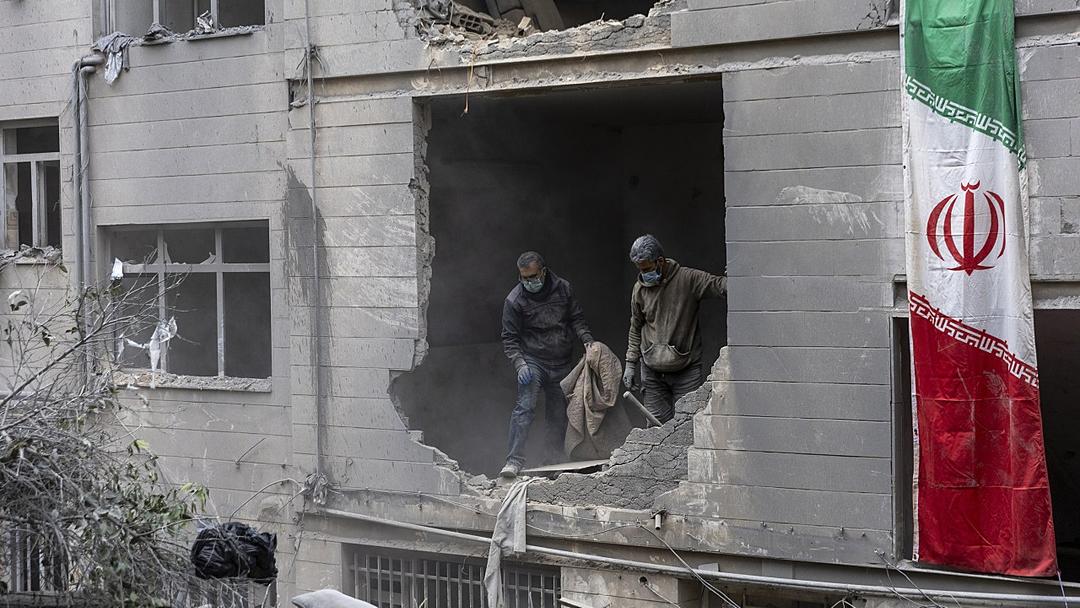
ASEAN Forum Tackles Iran War, Hormuz Crisis


The Facts
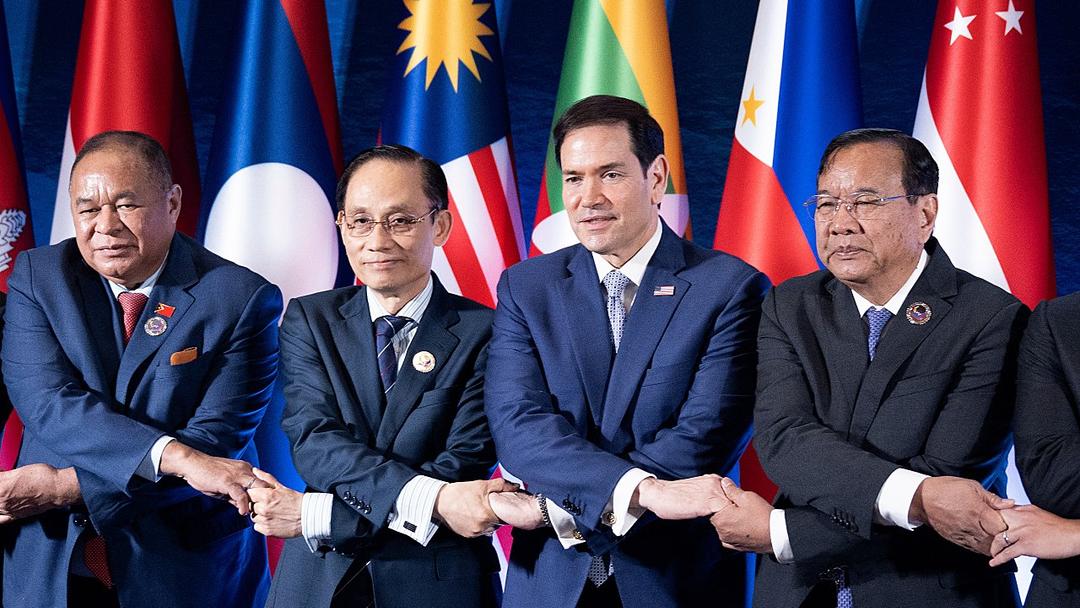
- Foreign ministers from Asia, Europe and North America gathered in Manila for the 33rd ASEAN Regional Forum, with the war in Iran and the blockade of the Strait of Hormuz topping the agenda for the 11-nation bloc, whose combined GDP of roughly $3.8 trillion is heavily reliant on Middle East oil.
- ASEAN foreign ministers issued a joint statement calling for an immediate halt to fighting in the Middle East and the full and safe reopening of the Strait of Hormuz, reaffirming that states must resolve differences peacefully and respect national sovereignty and territorial integrity.
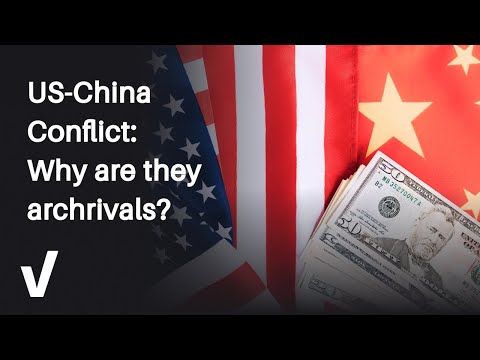
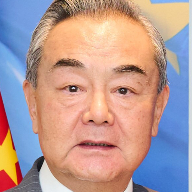
- U.S. Secretary of State Marco Rubio met Chinese Foreign Minister Wang Yi on the sidelines of the ASEAN gathering on Wednesday, with both sides agreeing to prepare for a planned visit by Chinese President Xi Jinping to the U.S. in September.


Sources Split
LEFT
CENTER
RIGHT
+1
+1

+2
ESTAB
CRIT
CENTER
PRO
ESTAB
The Spin
Establishment-critical narrative
ASEAN nations are growing deeply skeptical of U.S. leadership, with polling showing that many in the region prefer China over the U.S. The Strait of Hormuz closure has already triggered energy shortages and price hikes across Malaysia and Thailand, making the human cost the Iran conflict impossible to ignore. The U.S. cannot expect allies to bear the burden of its actions.
Pro-establishment narrative
Freedom of navigation in the Strait of Hormuz is a Southeast Asian concern too. The US isn't imposing conflict on ASEAN; it's defending the same waterways ASEAN's economies depend on and standing up for their sovereignty against reckless and aggressive Chinese expansion in the region. Rubio is in Manila precisely because this administration treats those shared interests as real commitments.